Jason Knight Becomes First Ireland Player to Publicly Question Israel Nations League Fixture
Derby County midfielder Jason Knight has become the first Republic of Ireland player to publicly suggest that the upcoming UEFA Nations League fixture against Israel should not proceed, joining over 160 Irish athletes who have signed an open letter calling for a boycott of the matches scheduled for neutral venues in Hungary and Serbia. Knight's intervention comes as manager Heimir Hallgrímsson continues to face sustained criticism from the Israeli Football Association over his comments on the conflict in Gaza, and as the political controversy surrounding the fixtures shows no sign of abating.
Background
The Republic of Ireland's Nations League Group B3 campaign includes two fixtures against Israel, scheduled for neutral venues following UEFA's decision to prohibit Israel from hosting home matches due to security concerns. The fixtures have been the subject of intense political debate in Ireland since the draw was made, with over 160 Irish athletes — including Olympians, GAA players, and rugby internationals — signing an open letter calling on the Football Association of Ireland to seek the postponement or cancellation of the matches. The FAI has indicated that it is bound by UEFA's competition rules and cannot unilaterally withdraw from the fixtures without facing significant sporting and financial penalties.
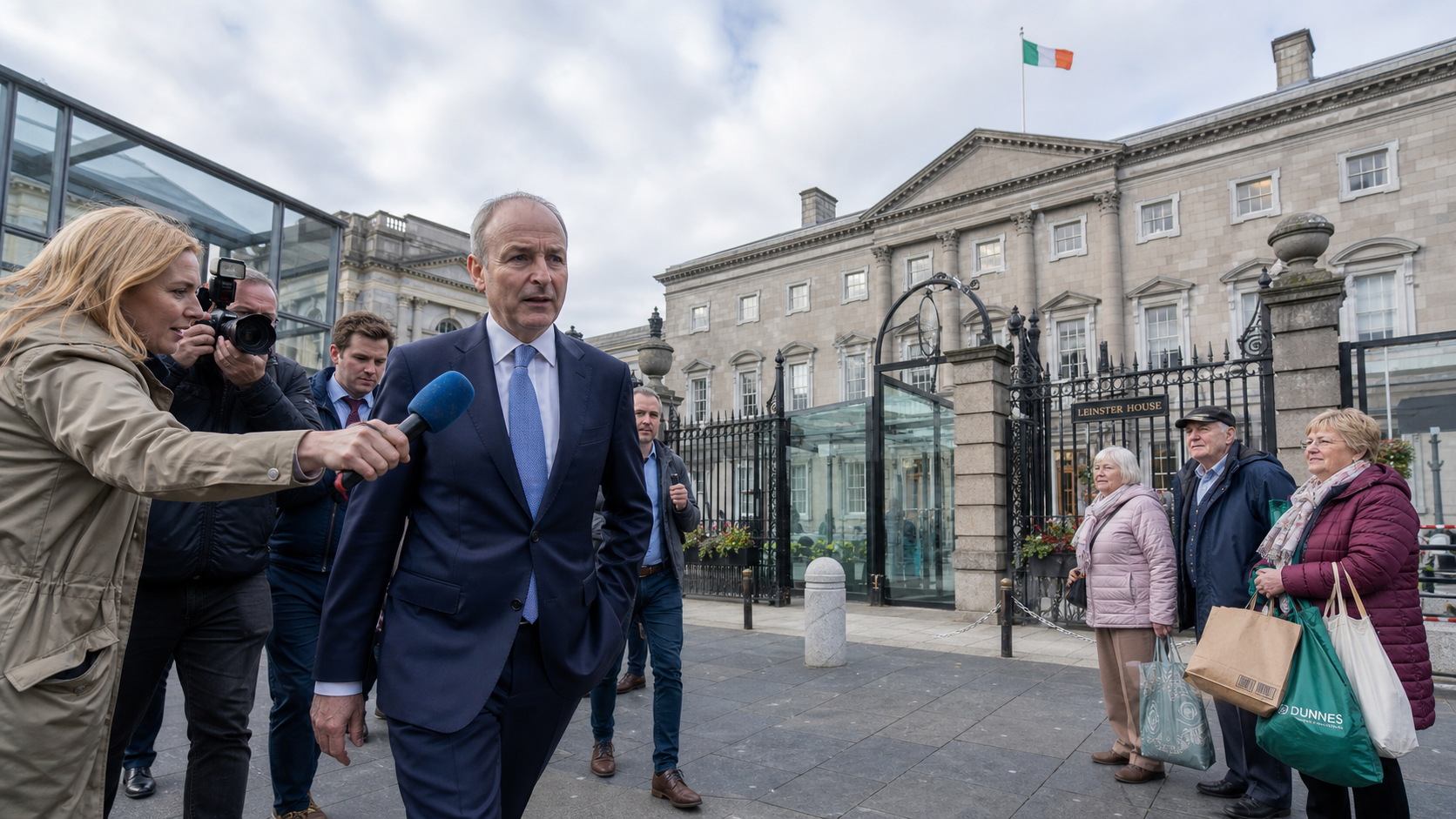
Manager Heimir Hallgrímsson has been at the centre of the controversy since he said in an interview that his team was "playing against genocide," a comment that prompted the Israeli Football Association to issue a public statement accusing him of "stupidity, ignorance and hypocrisy." Taoiseach Micheál Martin called on the Israeli FA to withdraw the remarks, describing them as unacceptable, and the controversy has become entangled with the broader deterioration in Irish-Israeli relations following Ireland's recognition of Palestinian statehood in May 2024.
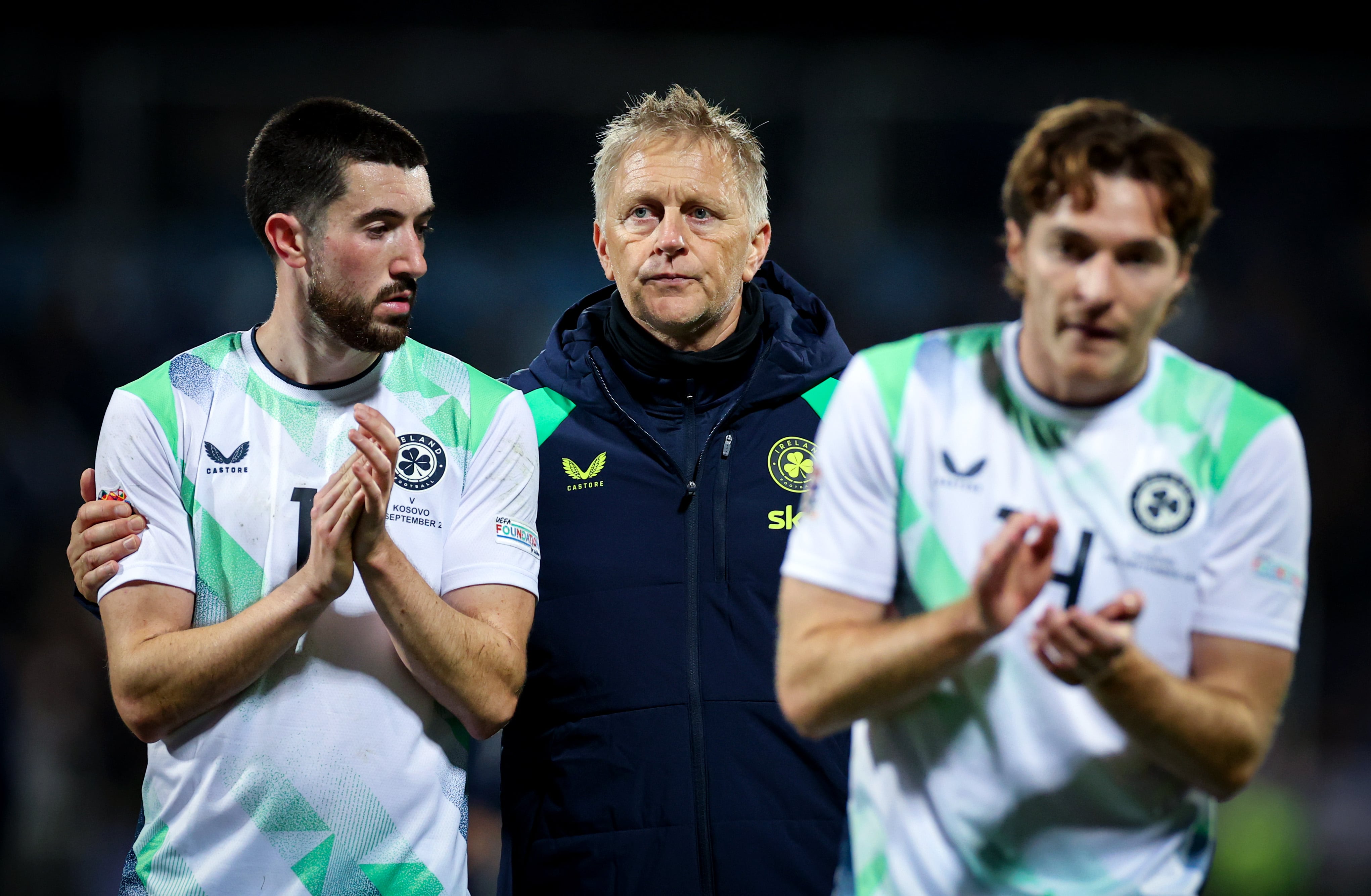
The Republic of Ireland's Nations League campaign began with a 1-0 defeat to Kosovo in Pristina on September 24, with Vedat Muriqi scoring the only goal in the 83rd minute. The result leaves Ireland at the bottom of Group B3 after the opening round, and the pressure on Hallgrímsson to deliver results in the remaining fixtures — including the two matches against Israel — is significant.
Key Developments
Jason Knight, who has been a regular starter for the Republic of Ireland under Hallgrímsson and who plays his club football at Derby County in the English Championship, made his comments in an interview published on September 25. Knight said that he found it difficult to separate the sporting context from the humanitarian situation in Gaza, and that he believed the question of whether the fixtures should proceed was one that deserved serious consideration by the FAI and UEFA. He stopped short of saying he would refuse to play, but his willingness to raise the issue publicly marks a significant escalation in the players' engagement with the controversy.
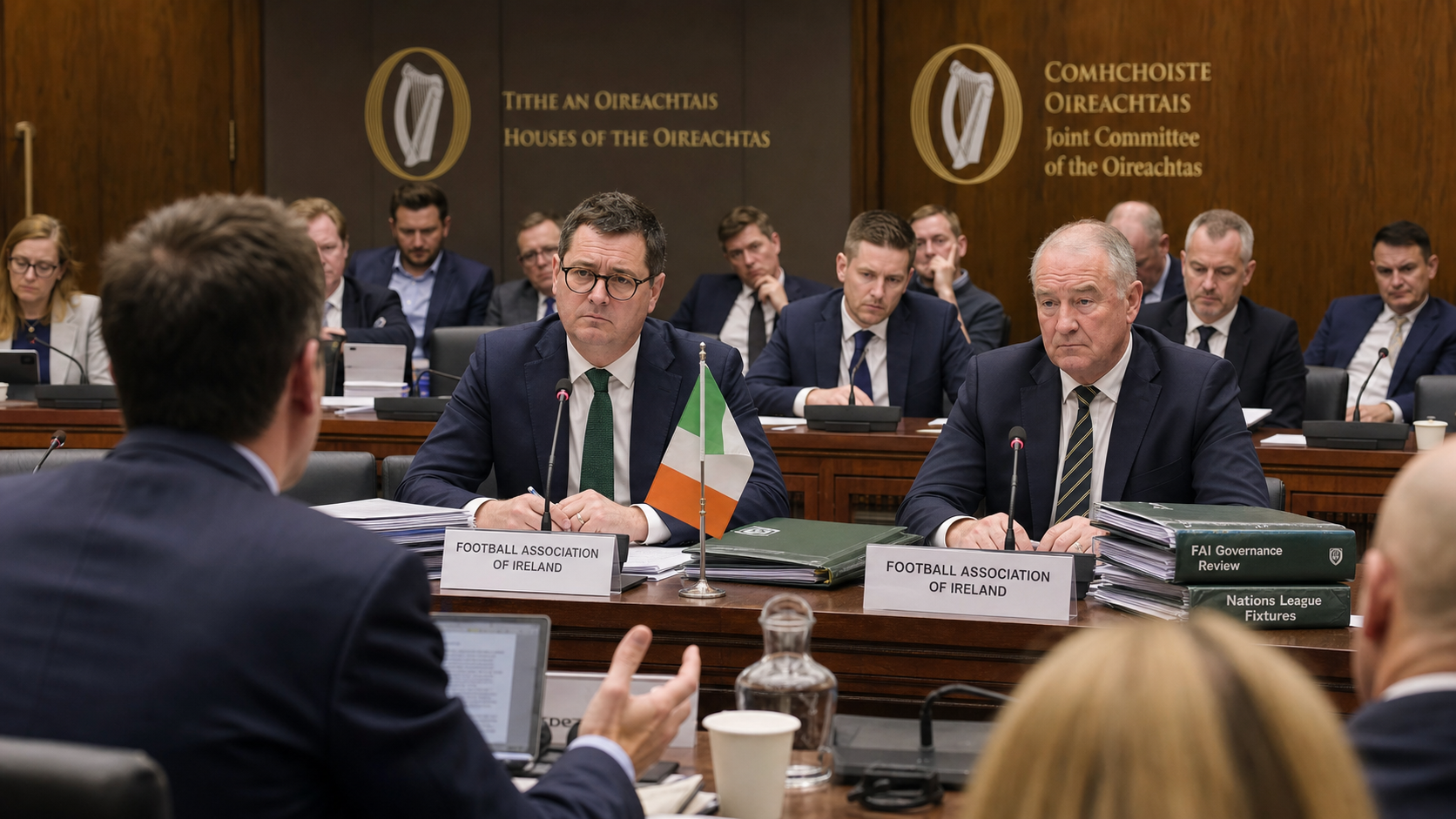
The FAI has been in contact with UEFA about the arrangements for the Israel fixtures, and has indicated that it is seeking assurances about the security and logistical arrangements for the matches at the neutral venues in Hungary and Serbia. UEFA has confirmed that the fixtures will proceed as scheduled, and has indicated that it does not consider the political controversy surrounding the matches to be grounds for postponement or cancellation. The FAI's position — that it is bound by UEFA's rules and cannot withdraw without penalty — has been criticised by some politicians and civil society organisations, who argue that the association should be more proactive in seeking a resolution.
The open letter signed by over 160 Irish athletes has been endorsed by a range of prominent figures, including several members of the Irish Olympic team that competed in Paris in 2024 and a number of GAA county players. The letter calls on the FAI to seek the postponement of the fixtures until a ceasefire is in place in Gaza, and argues that proceeding with the matches would be inconsistent with Ireland's stated commitment to international law and human rights.
Why It Matters
The Israel fixtures controversy illustrates the growing intersection of sport and politics in contemporary Ireland, and the difficulty of maintaining a clear separation between the two in a context where the country's foreign policy positions are so clearly articulated. Ireland's recognition of Palestinian statehood, the Taoiseach's UNGA address, and the broader public debate about the conflict in Gaza have created a political environment in which it is increasingly difficult for Irish athletes to treat a fixture against Israel as a purely sporting matter. Jason Knight's intervention is significant precisely because it comes from within the squad — from a player who is expected to take the field against Israel — rather than from outside observers.
The FAI's position is legally and contractually defensible, but it is politically uncomfortable. The association is caught between its obligations under UEFA's competition rules and the expectations of a significant portion of the Irish public and sporting community. The outcome of the controversy — whether the fixtures proceed as planned, are postponed, or are cancelled — will have implications not just for Irish football but for the broader question of how sporting bodies navigate politically charged situations in an era of heightened public awareness of human rights issues.
Local Impact
In Dublin, the controversy has generated significant media coverage and public debate, with radio phone-ins and social media discussions reflecting a range of views on whether the fixtures should proceed. The FAI's headquarters in Abbotstown has received a significant volume of correspondence from members of the public on the issue, and the association's board is expected to discuss the matter at its next meeting. In Cork, Galway, and other cities with active football communities, the debate has been particularly intense, with local clubs and supporters' groups divided on the question. The Irish Council for Civil Liberties has called on the FAI to engage more actively with UEFA on the issue, and has offered to provide legal advice on the options available to the association.
What's Next
The Republic of Ireland's next Nations League fixture is against Hungary, scheduled for September 28. The Israel fixtures are scheduled for later in the group stage, and the FAI has indicated that it will continue to engage with UEFA on the arrangements for those matches. Jason Knight's comments are expected to prompt further discussion within the squad, and it is possible that other players will make their views known in the coming days. The FAI board meeting, expected in early October, will be a key moment for the association to clarify its position on the controversy. Taoiseach Martin has indicated that the government is monitoring the situation closely and will make a further statement if the circumstances warrant it.