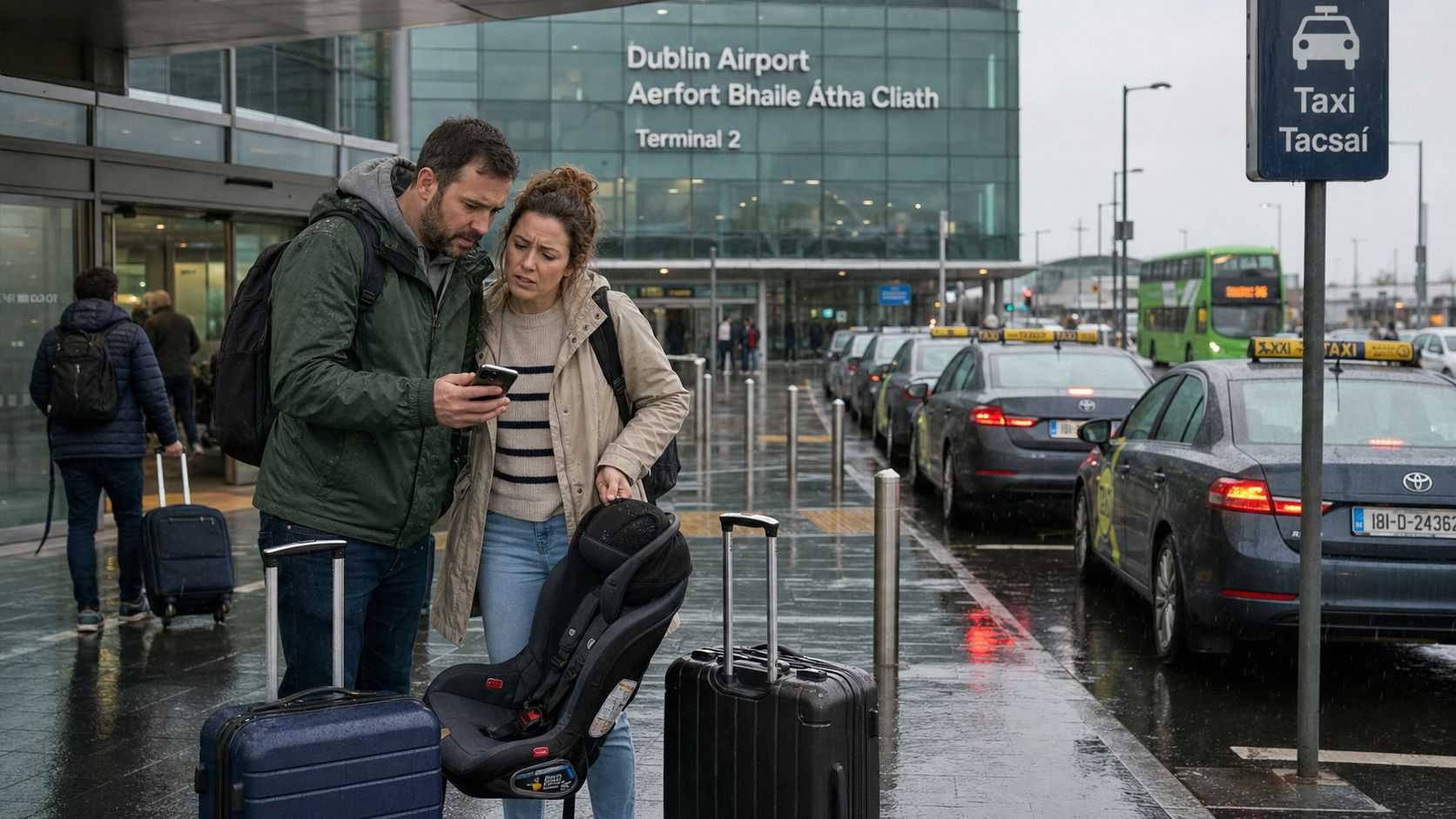
'It Feels Like Emigrating to a New Place': Returning Irish Face Housing and Service Access Crises
Irish emigrants returning home are facing profound challenges reintegrating into a society that has changed dramatically since they left, with support organisations reporting that many returnees face acute housing crises and significant barriers to accessing state services — a situation that has been exacerbated by political pressures abroad, including immigration crackdowns in the United States, that have forced some to return before they were ready.
Background
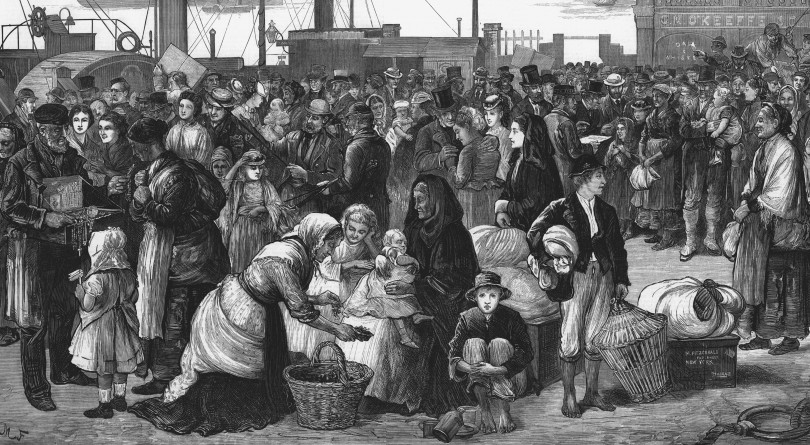
Ireland has always been a country of emigration. The Great Famine of the 1840s triggered a wave of emigration that reduced the island's population by a quarter in a decade, and the pattern of emigration — driven by economic necessity, political upheaval, or simply the desire for a different life — has continued in various forms ever since. The economic crises of the 1980s and the post-2008 recession both produced significant waves of emigration, as young Irish people left in search of opportunities that were not available at home.
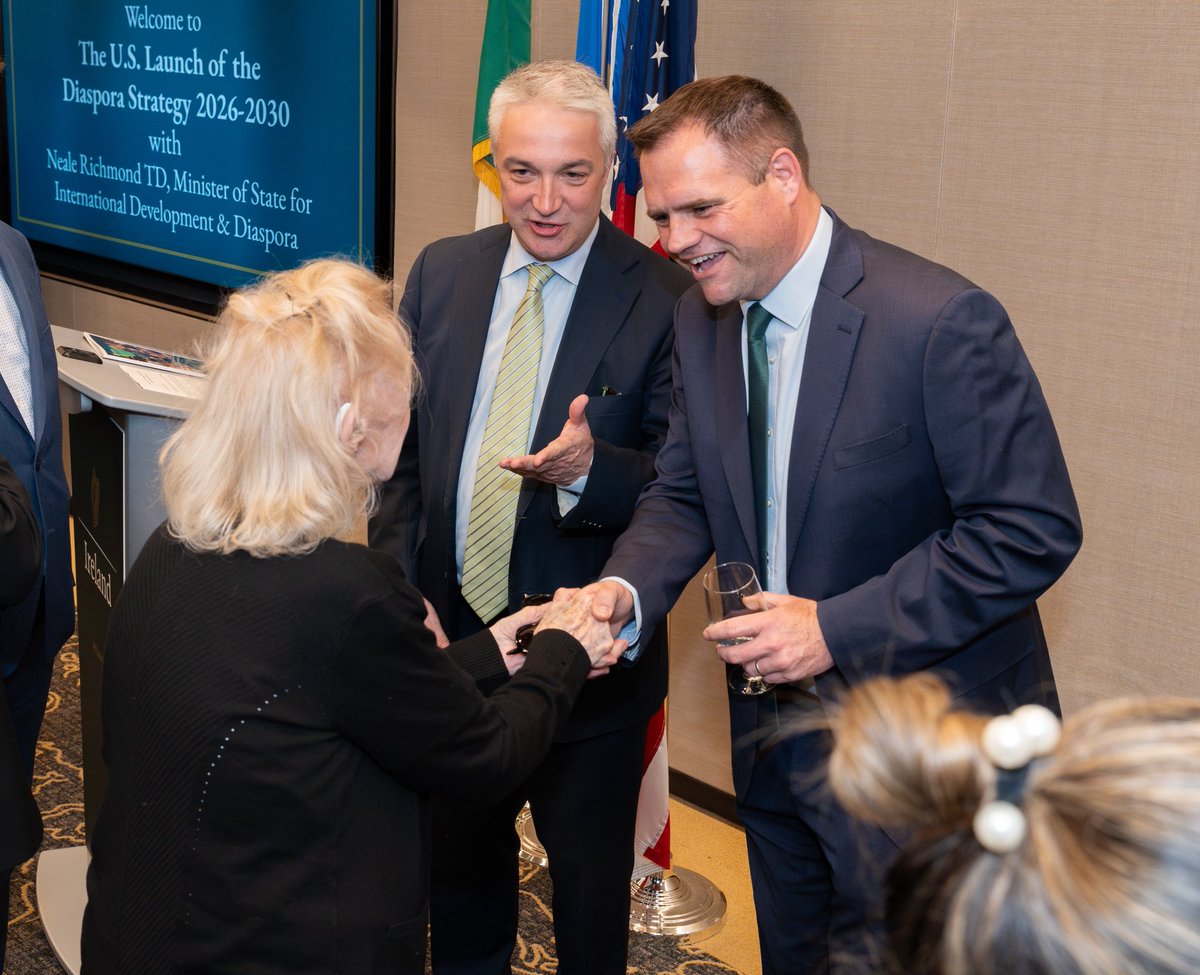
The relationship between Ireland and its diaspora has always been complex. The country has been proud of its emigrants' achievements abroad — in politics, business, culture, and sport — while also feeling the loss of the talent and energy that emigration represents. The government's diaspora strategy, which has been developed over successive administrations, reflects an attempt to maintain and deepen the connection between Ireland and its global community, and to create pathways for those who wish to return.
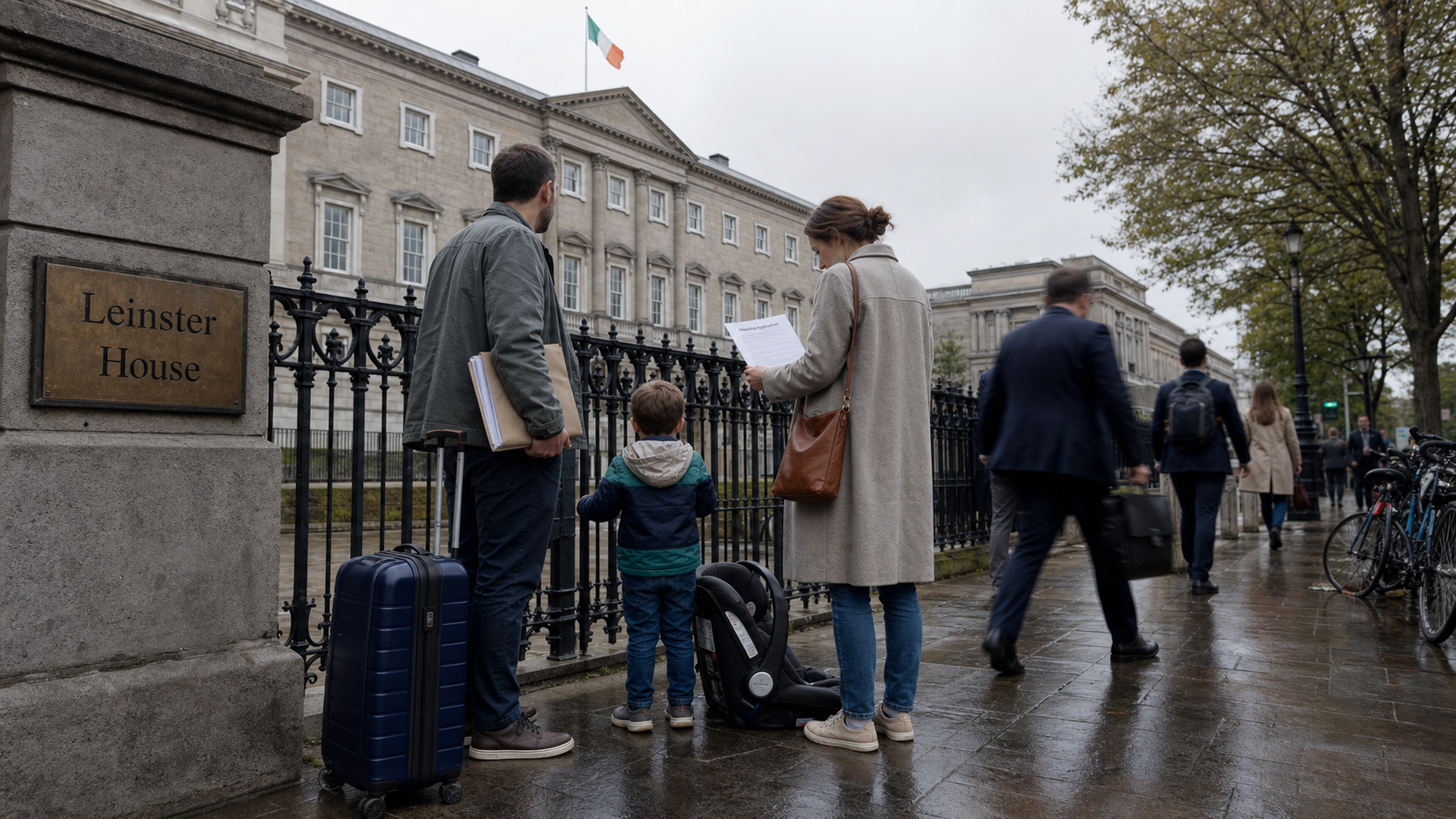
The challenge of return has become increasingly acute in recent years. The Ireland that emigrants return to is, in many respects, a different country from the one they left. The housing crisis — which has made it difficult for many Irish people to find affordable accommodation — is particularly severe for returnees, who often lack the local networks and knowledge that can help navigate a tight rental market. The cost of living has also increased significantly, and the state services that returnees need to access — social welfare, child benefit, healthcare — can be difficult to navigate for people who have been outside the system for years.
Key Developments
The Irish Diaspora Support Project, based in Dublin, assisted 1,500 returning emigrants in the past year — a figure that reflects the scale of the challenge and the demand for specialist support. The organisation, which provides practical assistance to returnees navigating the Irish system, has reported that many of its clients face acute crises on arrival, including the risk of homelessness and difficulty accessing basic state services.
The housing crisis is the most immediate challenge for many returnees. The Irish rental market is one of the most expensive in Europe, and the shortage of available properties means that even people with good incomes can struggle to find accommodation. For returnees who are arriving without a job or with limited savings, the situation can be desperate. The IDSP has reported that without its intervention, some clients would have been homeless within days of their return.
Access to state services is a second major challenge. The Irish social welfare system, child benefit, and healthcare entitlements are all subject to habitual residence conditions that can be difficult for returnees to satisfy, particularly if they have been abroad for an extended period. The bureaucratic complexity of establishing entitlement to these services — which requires documentation that returnees may not have readily available — can be a significant barrier, particularly for those who are already in crisis.
The political situation in the United States has added a new dimension to the return challenge. The immigration crackdowns of the current US administration have created anxiety among Irish people living in America without secure immigration status, and some have chosen to return to Ireland rather than face the uncertainty of their situation. These returnees are often arriving in difficult circumstances — having left jobs and homes in the US at short notice — and the support they need is both practical and emotional.
Why It Matters
The challenges facing returning emigrants matter because they reveal a gap between the rhetoric of the diaspora strategy — which celebrates the global Irish community and commits to supporting those who wish to return — and the reality of what returnees actually experience when they come home. The government's commitment to the diaspora is genuine, but the practical barriers to return are significant, and addressing them requires more than warm words and a well-designed strategy document.
The housing crisis is the most fundamental barrier, and it is one that the government has been struggling to address for years. Until the supply of affordable housing increases significantly, returning emigrants will continue to face acute difficulties finding somewhere to live, and the aspiration of the diaspora strategy — to make it easier for Irish people to come home — will remain unfulfilled.
The situation of Irish people in the United States who are facing immigration uncertainty is a matter of particular concern. Ireland has a long and deep relationship with the United States, and the Irish-American community has been a significant source of political and economic support for Ireland over the years. The government has a responsibility to advocate for the rights of Irish citizens in the US and to provide support for those who choose or are forced to return.
Local Impact
The impact of the return challenge is felt most acutely in Dublin, which is the destination of choice for most returning emigrants. The city's housing market is the most expensive in the country, and the competition for rental properties is intense. The IDSP, which is based in Dublin, has been working with Dublin City Council and the HSE to develop a more coordinated response to the needs of returning emigrants, but the resources available are limited relative to the scale of the challenge.
In rural areas, the return challenge takes a different form. Returnees who come back to their home counties often find that the communities they left have changed significantly — that the friends and family networks they relied on have dispersed, that local services have been reduced, and that the economic opportunities they hoped to find are not as plentiful as they expected. The support infrastructure for returnees in rural areas is even more limited than in Dublin, and the isolation that some returnees experience can be a significant challenge to their wellbeing.
What's Next
The Department of Foreign Affairs is expected to publish an implementation report on the Diaspora Strategy 2026-2030 in the autumn, which will include a review of the supports available to returning emigrants and a set of commitments for improving those supports. The IDSP has called for a dedicated fund for returning emigrant support, to be administered by the department, that would provide resources for organisations like itself to expand their services. The issue of habitual residence conditions for state services is also under review, with the Department of Social Protection examining whether the current rules are creating unnecessary barriers for returnees.