Returning Emigrants Face Housing and Bureaucratic Barriers Despite New Diaspora Strategy
A central focus of the newly launched Diaspora Strategy 2026-2030 is addressing the significant practical and administrative barriers faced by the approximately 30,000 Irish citizens who return to live in Ireland each year. While a survey conducted for the strategy found that a third of Irish people living abroad intend to return home, many are deterred by a range of bureaucratic and economic hurdles. The government has committed to streamlining processes, but critics argue the strategy sidesteps the primary obstacle: Ireland's severe housing crisis.
The Scale of Return Migration
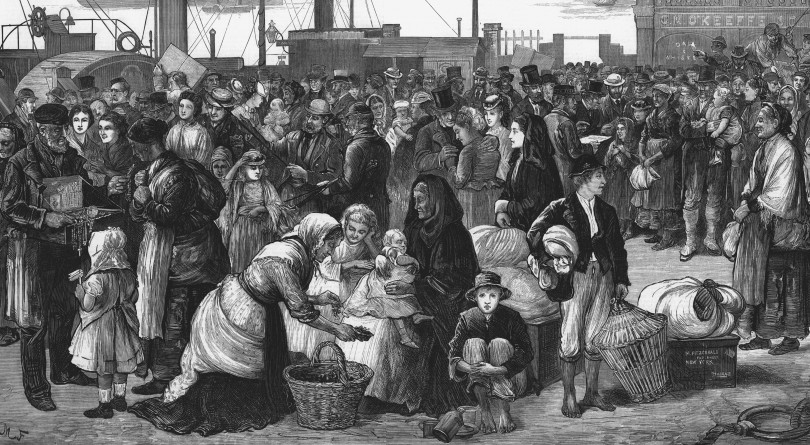
Return migration is a significant and often overlooked aspect of Ireland's demographic story. Approximately 30,000 Irish citizens return to live in Ireland each year, drawn back by family ties, career opportunities, or simply the desire to be home. These returning emigrants bring with them skills, experience, and perspectives gained from living and working abroad, and they make a valuable contribution to Irish society and the economy. However, the process of returning is often far more difficult than those who have never emigrated might imagine.
A survey conducted as part of the consultation process for the Diaspora Strategy 2026-2030 found that a third of Irish people living abroad intend to return home at some point. This represents a significant pool of potential returnees, but the survey also found that many of those who wish to return are deterred by a range of practical and financial obstacles. The government's new strategy explicitly acknowledges these barriers and commits to addressing them, a recognition that is welcomed by returnee advocacy groups.
Bureaucratic Barriers
Among the most commonly cited bureaucratic barriers to return are difficulties in obtaining Personal Public Service numbers, accessing social welfare entitlements under the Habitual Residence Condition, and securing affordable motor insurance. The recognition of foreign driving licences is another persistent source of frustration, with many returnees finding that the licence they have held for years in another country is not automatically recognised in Ireland and that they must go through a lengthy and expensive process to exchange it for an Irish licence.
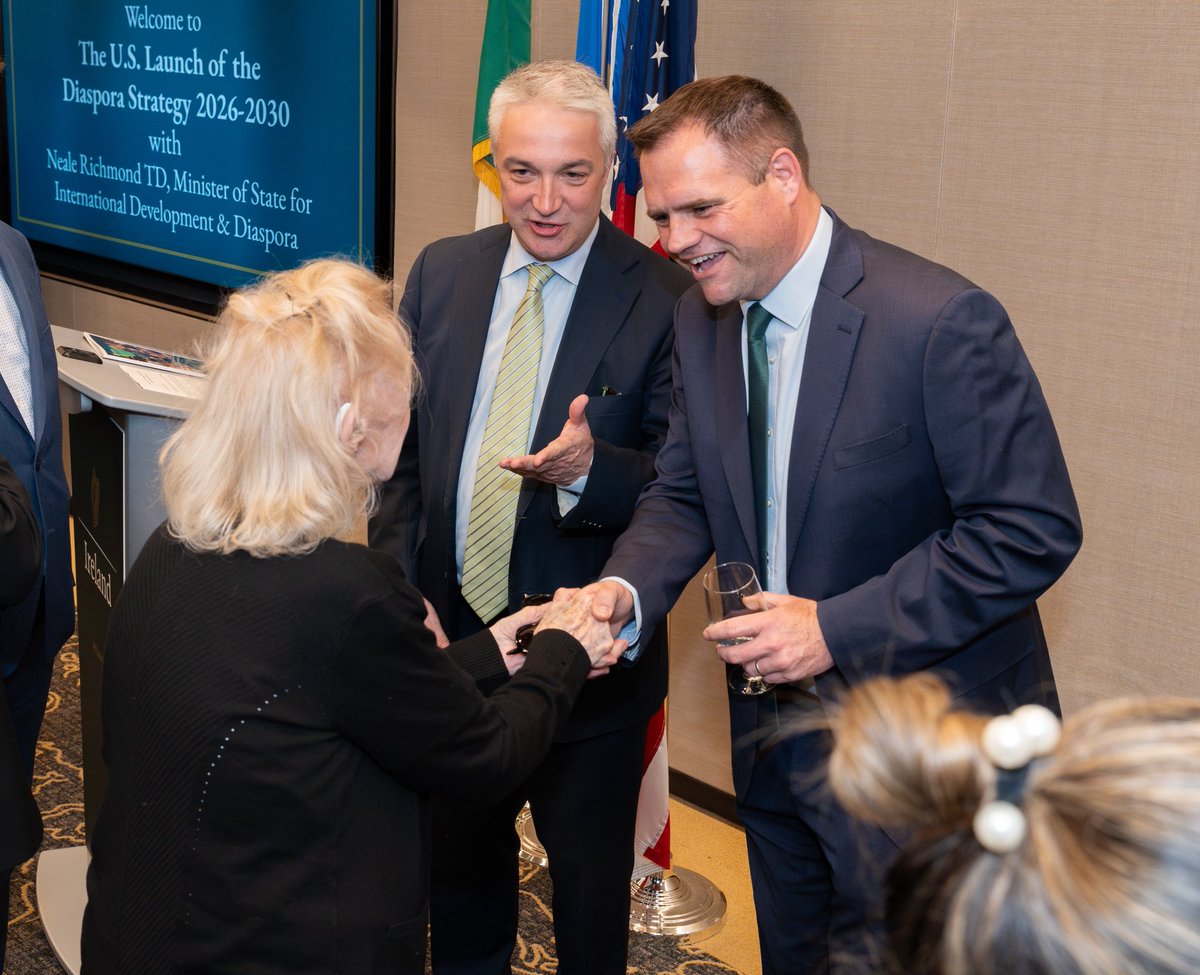
Minister of State for Diaspora Neale Richmond has confirmed that the government is actively engaged in bilateral discussions with other countries to establish more driving licence exchange agreements, a practical step that would remove one of the most common sources of frustration for returning emigrants. The strategy also commits to improving the provision of pre-departure information for those planning to return, helping them to navigate the administrative requirements before they arrive back in Ireland.
The Housing Elephant in the Room
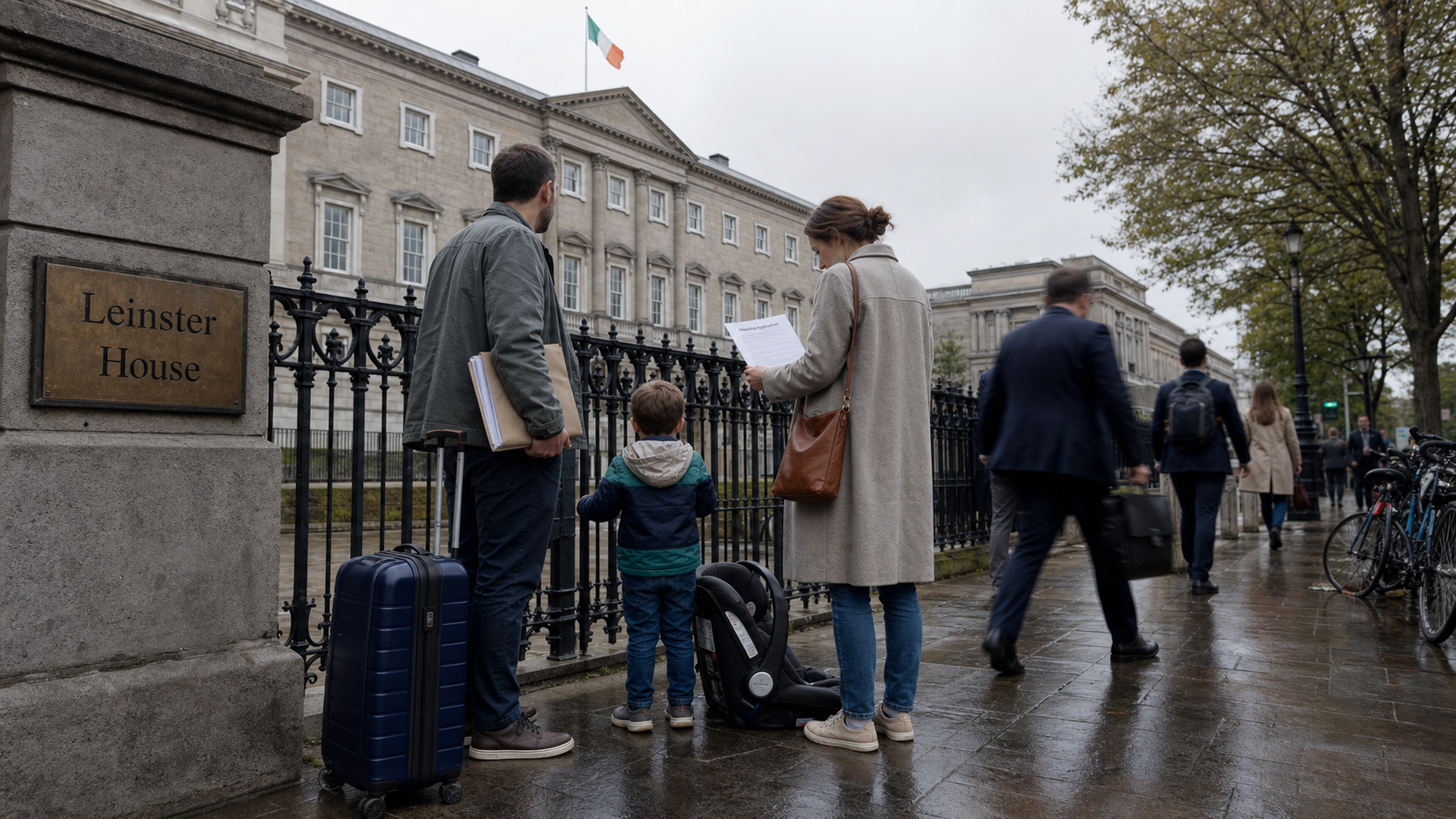
While the government's commitment to addressing bureaucratic barriers is welcome, critics have pointed out that the strategy does not fully confront the primary obstacle to return: Ireland's severe housing crisis and the high cost of living. For many Irish people living abroad, the desire to return home is real and strong, but the practical reality of finding affordable accommodation in Ireland — particularly in Dublin and other major cities — makes the prospect of return financially impossible.
An editorial in The Irish Times was blunt in its assessment: "For all its fine words about connection and contribution, the strategy sidesteps the elephant in the room. The oldest story of Irish emigration is one of economic necessity, and for many who wish to return, the economic barriers are now simply too high." The editorial called on the government to address the housing crisis as a matter of urgency, arguing that no diaspora strategy can be truly effective if the country remains unaffordable for those who wish to come home.
The Affinity Diaspora
One of the more innovative aspects of the Diaspora Strategy 2026-2030 is its recognition of the "affinity diaspora" — individuals who, despite lacking direct hereditary links to Ireland, have a deep cultural connection to the country through having lived, worked, or studied here. This recognition reflects the changing nature of Irish identity in the 21st century, as Ireland has become a more diverse and multicultural society and as the concept of "Irishness" has expanded beyond its traditional ethnic and cultural boundaries.
The strategy commits to supporting multi-heritage individuals and others who may have previously felt excluded from traditional definitions of Irishness, a commitment that has been welcomed by advocacy groups representing Ireland's diverse communities. The inclusion of the affinity diaspora in the strategy reflects a broader shift in how Ireland thinks about its relationship with the wider world — not just as a country that sends its people abroad, but as a country that attracts and retains people from around the world who choose to make Ireland their home.
Support Networks Abroad
The strategy also emphasises the importance of strengthening support networks for Irish people living abroad, particularly for new emigrants who may be at risk of isolation in the early stages of their time overseas. The government has committed to working with Irish community organisations, embassies, and consulates to ensure that new emigrants have access to the information and support they need to settle in and to maintain their connection with Ireland.
For those who ultimately decide to return, the strategy commits to providing better support through the transition process, including improved information about the services and entitlements available to returnees and better coordination between government departments to ensure that the process of re-establishing oneself in Ireland is as smooth as possible. Whether these commitments will be sufficient to address the very real barriers that returning emigrants face remains to be seen, but the acknowledgement of the problem is at least a step in the right direction.
Looking Ahead
The Diaspora Strategy 2026-2030 represents a genuine effort by the government to engage with the complex realities of modern Irish emigration and to support the Irish people who live abroad and those who wish to return home. Its success will depend on the rigour of its implementation and on the government's willingness to address the underlying economic and housing issues that are the primary drivers of emigration and the primary barriers to return. For the 30,000 Irish citizens who return home each year, and for the many more who wish to do so, the proof of the strategy's value will be in the practical difference it makes to their lives.