Record €17.5 Million Allocated to Emigrant Support Programme for 2026/2027 Funding Cycle
The Irish government has allocated a record €17.5 million to its Emigrant Support Programme for the 2026/2027 funding cycle, reaffirming its commitment to supporting Irish communities around the world. The ESP is the primary channel through which the government provides financial assistance to non-profit organisations and community groups that deliver vital services to the Irish diaspora, from frontline welfare services for elderly and vulnerable emigrants to cultural, heritage, and sporting initiatives.
The Programme
The Emigrant Support Programme has been a cornerstone of Ireland's diaspora policy since its establishment in 2004. Over more than two decades, it has provided over €265 million in grants to more than 900 organisations in 53 countries, supporting a vast range of projects and services that help Irish people living abroad to maintain their connection with home and to access the support they need in their adopted countries.
The programme is administered by the Department of Foreign Affairs, which works with Irish embassies and consulates around the world to identify the organisations and projects most in need of support. The funding is distributed through a competitive grants process, with organisations required to demonstrate the impact of their work and the need for continued support. The programme prioritises organisations that provide essential welfare services, including advice on housing and employment, mental health support, and social activities for the isolated.
Record Funding
The allocation of €17.5 million for the 2026/2027 cycle represents a record level of funding for the programme, reflecting the government's recognition of the growing needs of the Irish diaspora and its commitment to supporting Irish communities around the world. The increase in funding follows a period of significant growth in Irish emigration, driven by the cost-of-living crisis and the shortage of affordable housing in Ireland, which has led many young Irish people to seek opportunities abroad.
In announcing the funding, the Tánaiste and Minister for Foreign Affairs emphasised the importance of the programme in maintaining a tangible connection with the global Irish family. "The Emigrant Support Programme is a lifeline for many of our citizens abroad," he said. "This record funding reflects our deep and abiding commitment to the welfare of our diaspora and our appreciation for the organisations on the ground who do such incredible work every day."
What the Funding Supports
The €17.5 million will support a wide range of projects and services across 53 countries. In the United Kingdom, which has the largest Irish diaspora community, the funding will support organisations that provide welfare services to elderly Irish emigrants, many of whom came to Britain in the 1950s and 1960s and who are now in need of care and support. In the United States, the funding will support Irish community centres, cultural organisations, and welfare services in cities with large Irish populations, including New York, Boston, Chicago, and San Francisco.
In Australia, which has become an increasingly important destination for young Irish emigrants, the funding will support a range of services aimed at helping new arrivals to settle in and to maintain their connection with Ireland. Similar support will be provided to Irish communities in Canada, continental Europe, and further afield. The programme also supports cultural and heritage initiatives, including GAA clubs, Irish language organisations, and traditional music groups, which play a vital role in maintaining a sense of Irish identity among diaspora communities.
The New Diaspora Strategy
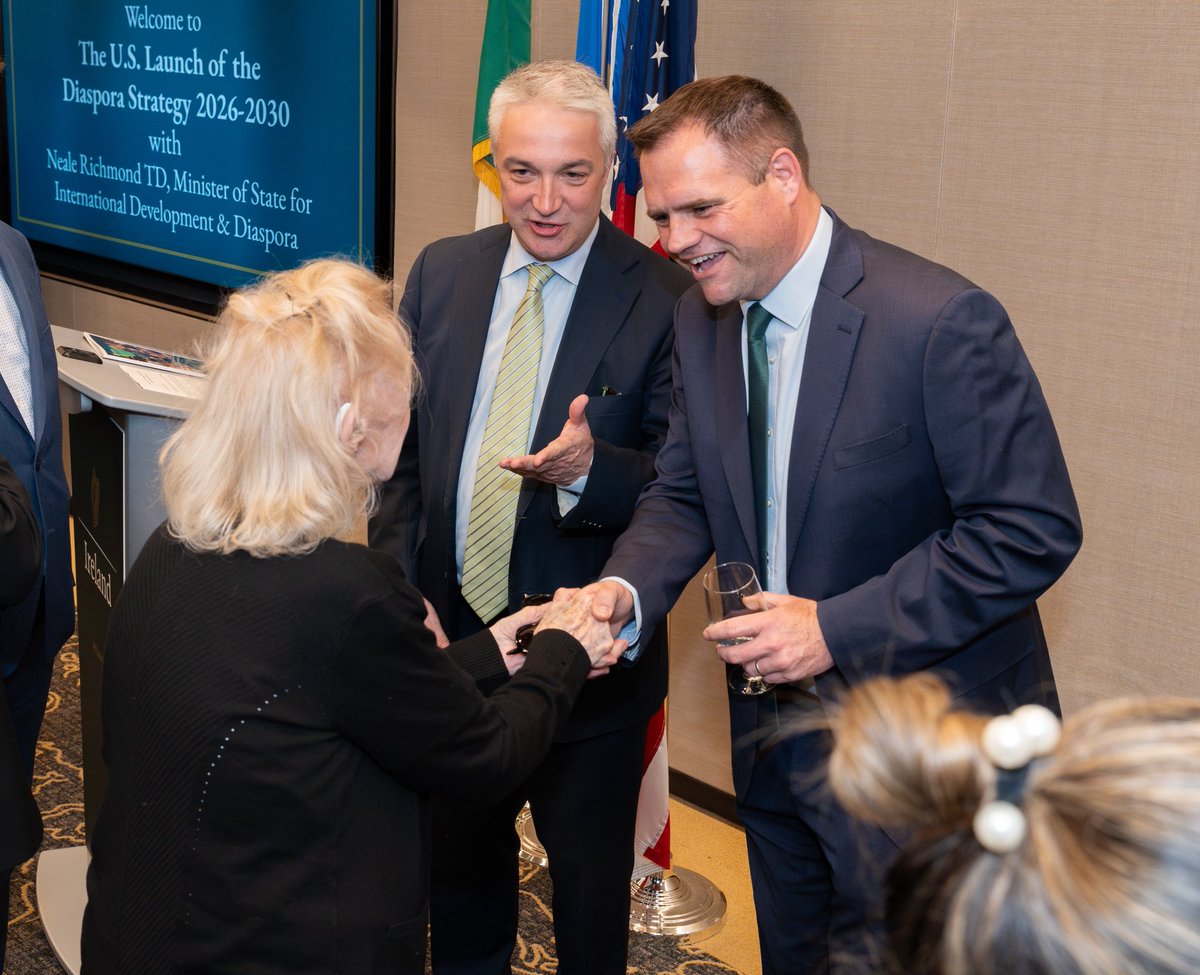
The record funding for the Emigrant Support Programme comes in the context of the government's new five-year Diaspora Strategy 2026-2030, which was launched in April 2026. The strategy represents a significant evolution in Ireland's approach to its diaspora, moving away from a purely heritage-based view of the Irish abroad towards a more inclusive and forward-looking approach that recognises the diversity of modern Irish emigration.
Minister of State for Diaspora Neale Richmond highlighted the strategy's "duty of care" as a central plank of the government's approach. "New Irish emigrants can become isolated quite quickly," he said. "Our strategy is about ensuring we have robust support networks in place, both for those preparing to leave and for those already living abroad, to help them navigate the challenges of making a new life in another country." The record funding for the Emigrant Support Programme is a concrete expression of this commitment.
Looking Ahead
The allocation of record funding for the Emigrant Support Programme is a positive development for Irish communities around the world, but it also raises important questions about the underlying causes of emigration and what more can be done to address them. Many of those who are leaving Ireland are doing so not out of choice but out of necessity, driven by the inability to afford housing or to find suitable employment at home. The government's diaspora strategy acknowledges this reality, but critics have argued that it does not go far enough in addressing the structural issues that are driving emigration.
For the organisations that will benefit from the ESP funding, the record allocation is a welcome recognition of the vital work they do. For the Irish people they serve — whether elderly emigrants in London, young professionals in Sydney, or families navigating the complexities of life in a new country — the support provided by these organisations can make an enormous difference to their quality of life and their sense of connection with home.