Hidden History of Ireland's LGBTQ+ Diaspora Recognised as Cultural Legacy of Exile and Return Takes Shape
Efforts are underway to celebrate and document the 'hidden history' of Ireland's LGBTQ+ diaspora — a legacy shaped by historical repression and exile that saw generations of LGBTQ+ individuals leave Ireland to find more tolerant social environments, and whose return over the decades brought new perspectives and experiences that played a significant role in shaping the more open and equal Ireland of today.
Background
Ireland's relationship with its LGBTQ+ citizens has been transformed over the past three decades in ways that would have been unimaginable to earlier generations. The decriminalisation of homosexuality in 1993, the introduction of civil partnership in 2010, the landmark marriage equality referendum of 2015, and the Gender Recognition Act of 2015 have collectively created a legal and social environment that is among the most progressive in the world. The journey from criminalisation to constitutional equality in the space of a generation is one of the most remarkable social transformations in Irish history.
But that transformation did not happen in a vacuum. It was the product of decades of advocacy, activism, and cultural change — and a significant part of that change was driven by Irish LGBTQ+ people who had emigrated to countries where they could live more openly and who brought back the experiences, perspectives, and confidence they had gained abroad. The story of Ireland's LGBTQ+ diaspora is, in this sense, inseparable from the story of Ireland's social transformation.
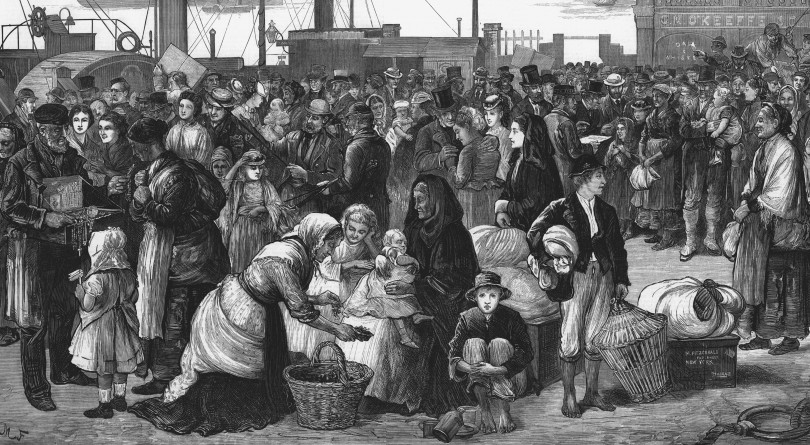
The history of LGBTQ+ emigration from Ireland is one that has been largely invisible in the mainstream narrative of the Irish diaspora. The great waves of Irish emigration — to America, Britain, Australia, and beyond — have been documented and celebrated in countless books, films, and cultural events. But the specific experience of LGBTQ+ Irish people who emigrated not primarily for economic reasons but to escape a society that criminalised and stigmatised their identity has received far less attention.
Key Developments
Cultural organisations and academic researchers are now working to document and celebrate this hidden history, recognising that the stories of LGBTQ+ Irish emigrants are an important and underrepresented part of the broader diaspora narrative. The work involves oral history projects, archival research, and cultural events that bring these stories to public attention and ensure that they are preserved for future generations.
The Irish Queer Archive, which is held at the National Library of Ireland, is one of the most important repositories of material relating to the history of LGBTQ+ life in Ireland. The archive contains personal papers, correspondence, photographs, and ephemera that document the experiences of LGBTQ+ Irish people from the mid-twentieth century to the present, including material relating to the diaspora experience. The ongoing digitisation of the archive is making this material more accessible to researchers and to the general public.
The recognition of the LGBTQ+ diaspora's contribution to Irish social change is also finding expression in cultural events and public discourse. The annual Dublin Pride festival, which takes place each June, has increasingly incorporated elements that celebrate the diaspora experience and acknowledge the role of returning emigrants in the marriage equality campaign and other social justice movements. The festival's international dimension — which draws LGBTQ+ Irish people from across the world back to Dublin each year — is itself a reflection of the diaspora's ongoing connection to Ireland.
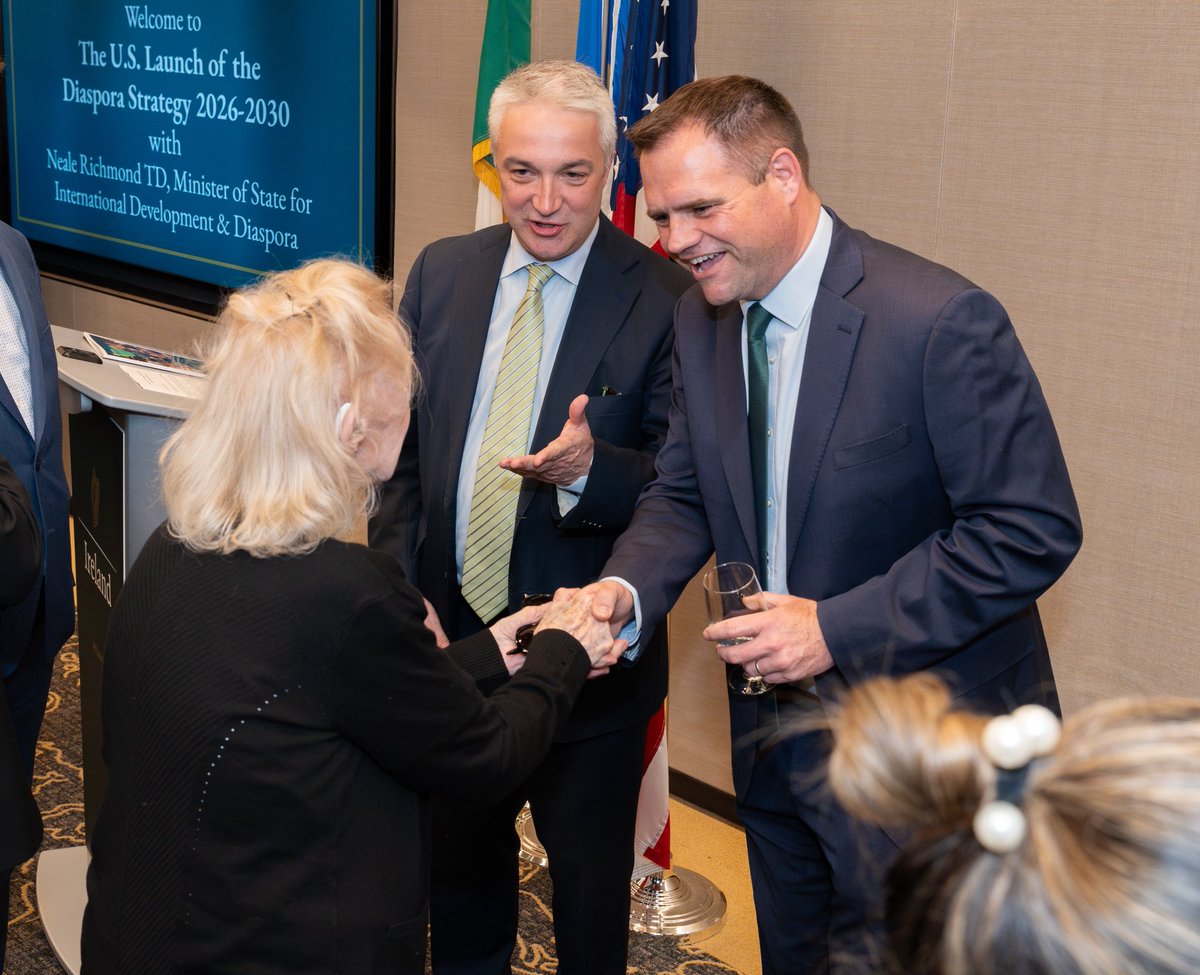
The government's Diaspora Strategy 2026-2030 has acknowledged the LGBTQ+ dimension of the diaspora experience, committing to ensure that the strategy's programmes and supports are inclusive of LGBTQ+ Irish people abroad and those who wish to return. This is a significant development, reflecting a recognition that the diaspora is not a monolithic community but one that encompasses the full diversity of Irish society.
Why It Matters
The recognition of Ireland's LGBTQ+ diaspora matters for several reasons. At the most fundamental level, it is a matter of historical justice — of ensuring that the experiences of a group of people who were forced to leave their country because of who they were are acknowledged and honoured rather than forgotten. The LGBTQ+ Irish people who emigrated in the decades before decriminalisation paid a significant personal price for Ireland's failure to protect their rights, and their stories deserve to be told.
The recognition also matters because it illuminates the mechanisms of social change. The transformation of Irish attitudes towards LGBTQ+ people did not happen spontaneously — it was the product of sustained advocacy, cultural change, and the gradual shift in public opinion that was driven in part by the experiences of people who had lived in more tolerant societies and who brought those experiences back to Ireland. Understanding how that change happened is important for anyone who wants to understand how social progress is made.
The diaspora dimension of the LGBTQ+ story is also a reminder of the costs of social exclusion. Every LGBTQ+ Irish person who felt compelled to emigrate because they could not live openly in their own country represented a loss — of talent, of energy, of potential — that Ireland could ill afford. The recognition of that loss is part of the broader reckoning with Ireland's past that has been underway for several decades.
Local Impact
In Dublin, the work of documenting and celebrating the LGBTQ+ diaspora history is centred on organisations like the Irish Queer Archive, the National Library, and the various LGBTQ+ community organisations that have been active in the city since the 1970s. The Outhouse community centre in Dublin's city centre has been a focal point for this work, hosting events, exhibitions, and discussions that bring the history to life for new generations.
In cities across the world where significant Irish LGBTQ+ diaspora communities exist — London, New York, Sydney, San Francisco — Irish cultural organisations and diaspora groups are also engaged in the work of documenting and celebrating this history. The connections between these communities and their counterparts in Ireland are strong, and the exchange of stories and experiences across the diaspora is an important part of the ongoing process of cultural recovery and recognition.
What's Next
The Irish Queer Archive is planning a major public exhibition in 2027 that will bring together material from its collection to tell the story of LGBTQ+ life in Ireland from the mid-twentieth century to the present, with a particular focus on the diaspora experience. The exhibition will tour to venues in Ireland and internationally, including in cities with significant Irish LGBTQ+ diaspora communities. The Department of Foreign Affairs is also expected to include a specific programme for LGBTQ+ diaspora engagement in the implementation plan for the Diaspora Strategy 2026-2030.