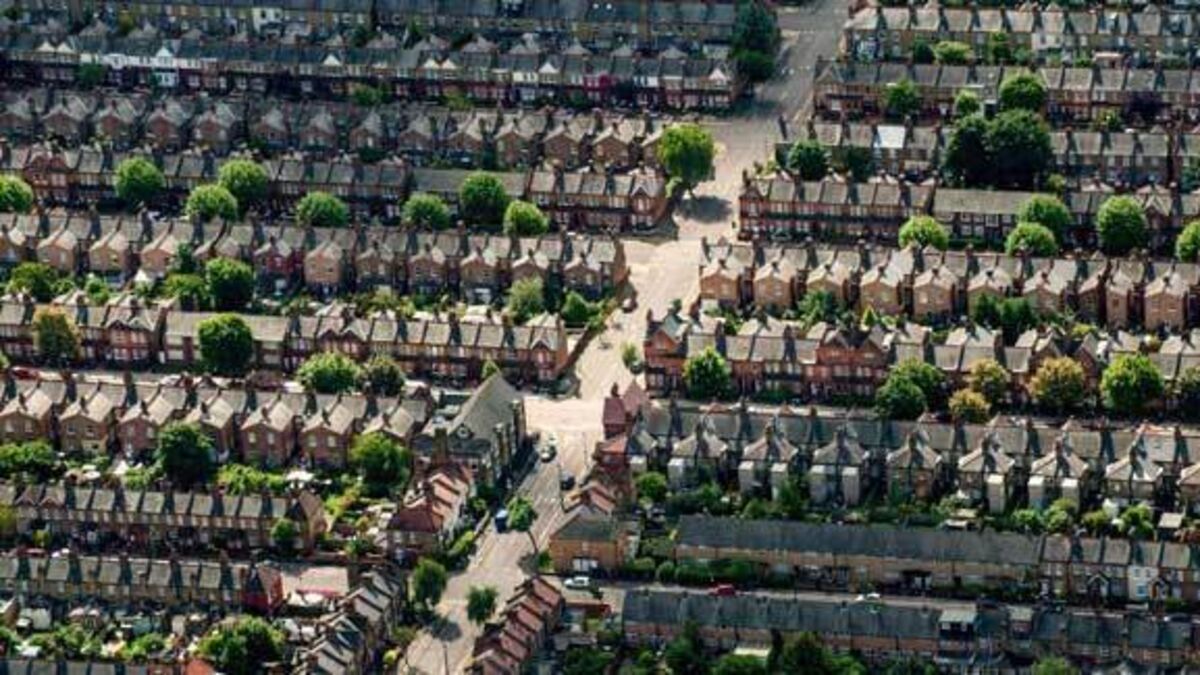
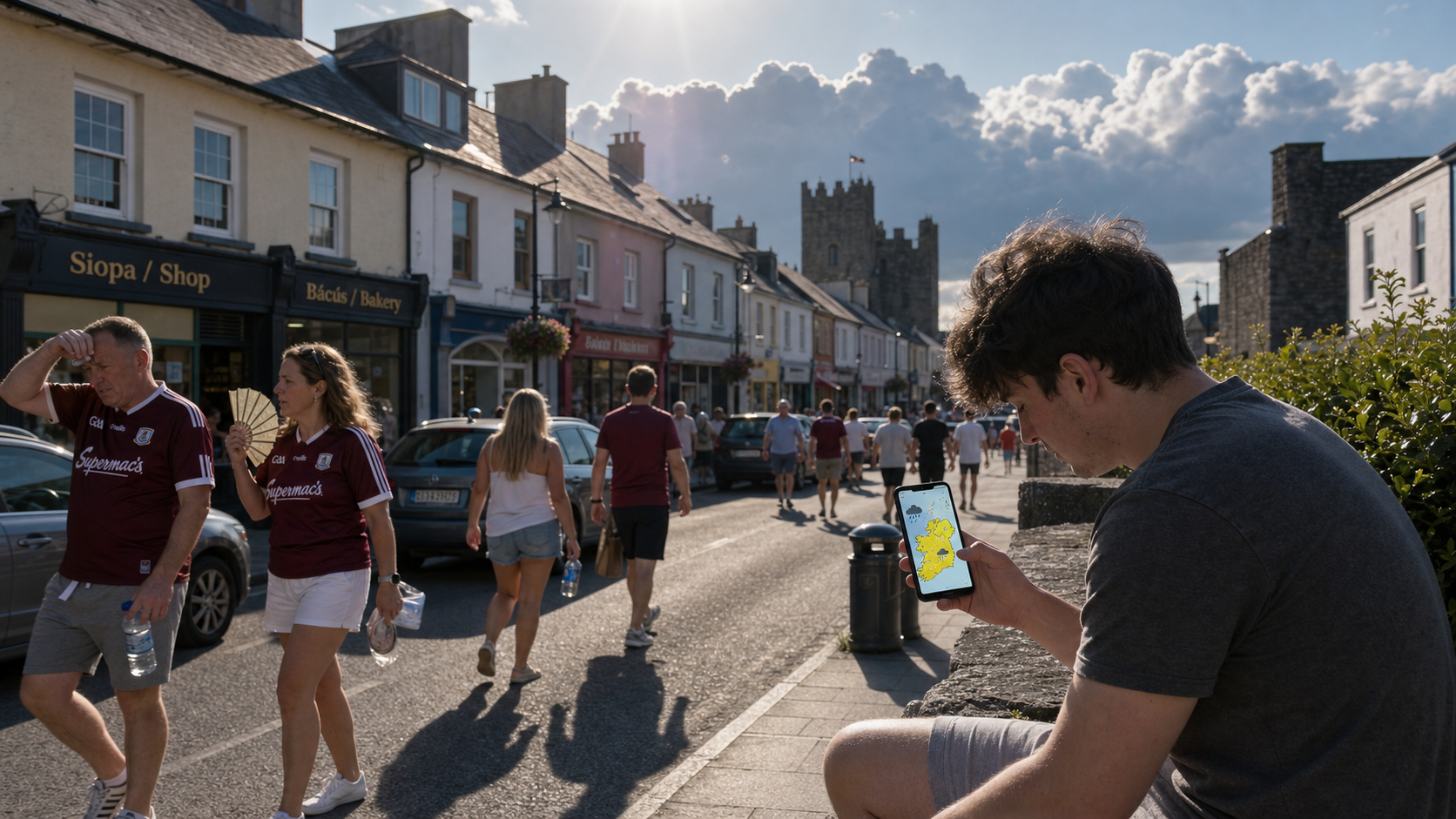
Ireland's 'Two-Speed' Housing Market Emerges as Dublin Prices Stall While Rural Areas See 9% Surge
A clear and troubling divergence has emerged in Ireland's residential property market, with new data showing that list-price inflation in Dublin has halved to just 3% over the past year — with transaction prices recording their first annual decline — while properties in Connacht-Ulster are experiencing growth of up to 8.8%, creating a two-speed market that reflects the profound structural imbalances at the heart of the housing crisis.
Background
Ireland's housing crisis has been the defining domestic policy challenge of the past decade, but the nature of that crisis has evolved considerably over time. In the years immediately following the 2008 financial crash, the problem was primarily one of oversupply and collapsing prices. By the mid-2010s, the dynamic had reversed entirely, with a severe shortage of supply driving prices and rents to levels that were pricing ordinary workers out of the market in Dublin and other major urban centres.
The government's response — a series of housing plans with ambitious targets for new construction — has produced some results, with new home completions rising significantly in recent years. However, the targets have consistently fallen short of what economists and housing experts say is needed to meet demand, and the second-hand market has remained severely constrained, with homeowners reluctant to sell in an environment where finding an alternative property is so difficult.
The emergence of a two-speed market — with Dublin cooling while rural areas heat up — reflects a new phase in the crisis. Remote working, which became normalised during the pandemic and has persisted in many sectors, has enabled a significant number of workers to relocate from Dublin to smaller towns and rural areas, driving up demand and prices in regions that had previously been relatively affordable.
Key Developments
The latest data, published this weekend, shows that national residential property price growth slowed to 5.6% in the year to June 2026. However, this headline figure conceals a dramatic divergence between regions. In Dublin, list-price inflation has fallen to just 3%, and transaction prices — the prices at which properties are actually changing hands — have recorded their first annual decline, a development that will be closely watched by economists and policymakers.
In contrast, the Connacht-Ulster region has seen price growth of 8.8%, with similar elevated figures recorded in parts of Munster and the midlands. The divergence is being driven by a combination of factors: the continued migration of remote workers from Dublin, the severe shortage of available properties in rural areas, and the relative affordability of rural housing compared to the capital even after recent price increases.
Nationally, only 13,100 residential units are currently available for sale — approximately half of the pre-pandemic level. New home completions surged by 33% in the first quarter of 2026, a significant improvement, but the overall supply remains far below the 50,000 to 60,000 units per year that economists estimate are needed to meet current and emerging demand. Dublin's local authorities have launched an enhanced scheme to attract private landlords by offering 100% of market rent, a measure that reflects the desperation of the situation in the rental sector.
Why It Matters
The emergence of a two-speed housing market has profound implications for social equity and regional development. For years, the housing crisis was primarily understood as a Dublin problem — a consequence of the capital's economic dominance and the concentration of employment in the greater Dublin area. The spread of the crisis to rural Ireland represents a new and more complex challenge, one that cannot be addressed simply by building more homes in Dublin.
The cooling of Dublin prices, while superficially positive, does not necessarily signal that the capital's housing crisis is easing. Transaction prices declining while list prices remain elevated suggests a market in which buyers and sellers are struggling to agree on valuations — a sign of uncertainty rather than resolution. The fundamental problem of insufficient supply relative to demand has not been solved; it has merely shifted geographically.
For the government, the two-speed market creates a political dilemma. Policies designed to stimulate supply in Dublin may be less effective in rural areas where the constraints are different — planning, infrastructure, and the economics of construction in dispersed locations all present distinct challenges. A genuinely national housing strategy requires differentiated approaches for different regions, a level of policy sophistication that has not always been evident in previous housing plans.
Local Impact
In Dublin, the cooling of prices will be welcomed by first-time buyers who have been priced out of the market for years, though the decline in transaction prices also creates uncertainty for those who purchased at peak prices. In areas like Finglas, Tallaght, and Clondalkin — where affordability pressures have been most acute — the slight easing of price growth offers some relief, though rents in these areas remain extremely high. In rural areas, the surge in prices is creating genuine hardship for local workers and young families who cannot compete with remote workers from Dublin who are able to bring higher purchasing power to local markets. In towns like Roscommon, Longford, and Leitrim, the transformation of the housing market has been rapid and disorienting.
What's Next
The government is expected to publish an updated housing action plan in the autumn, incorporating the latest data on supply and demand. The Oireachtas Housing Committee is scheduled to hold hearings on the two-speed market phenomenon before the summer recess, with economists, housing charities, and local authority representatives all expected to give evidence. The Central Bank's mortgage lending rules are also under review, with a decision on any changes expected before the end of the year.