Dáil Hears Ireland's Social Housing Need Could Take 55 Years to Clear at Current Rate of Delivery
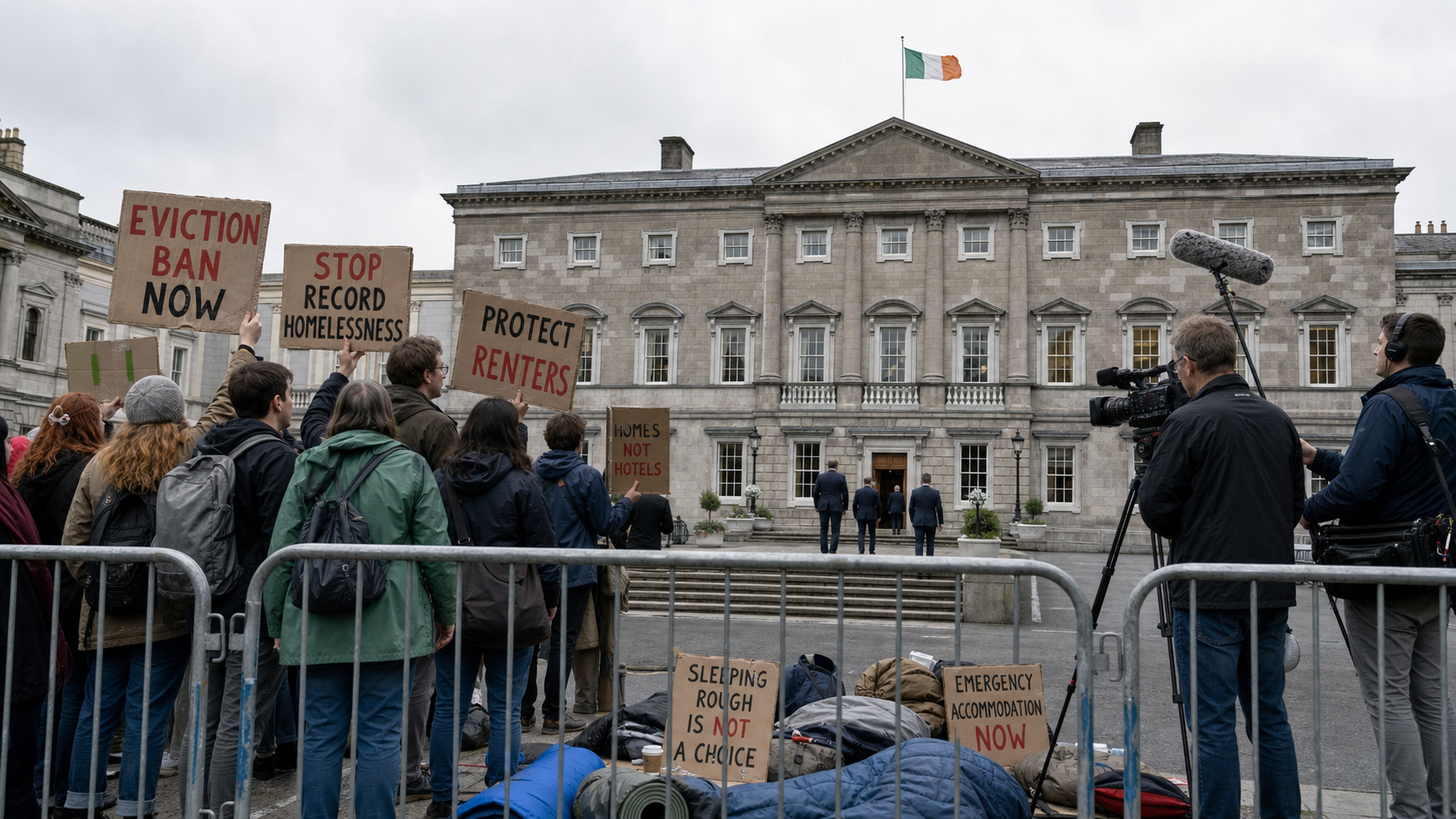
Projections presented to the Dáil this week have laid bare the staggering scale of Ireland's social housing crisis, with analysis suggesting it could take 55 years to clear both current and emerging needs at the present rate of delivery — a figure that has prompted renewed calls for a fundamental rethinking of the State's approach to social housing provision, particularly as data reveals that 265 people over the age of 65 were living in emergency accommodation at the end of 2025.
Background
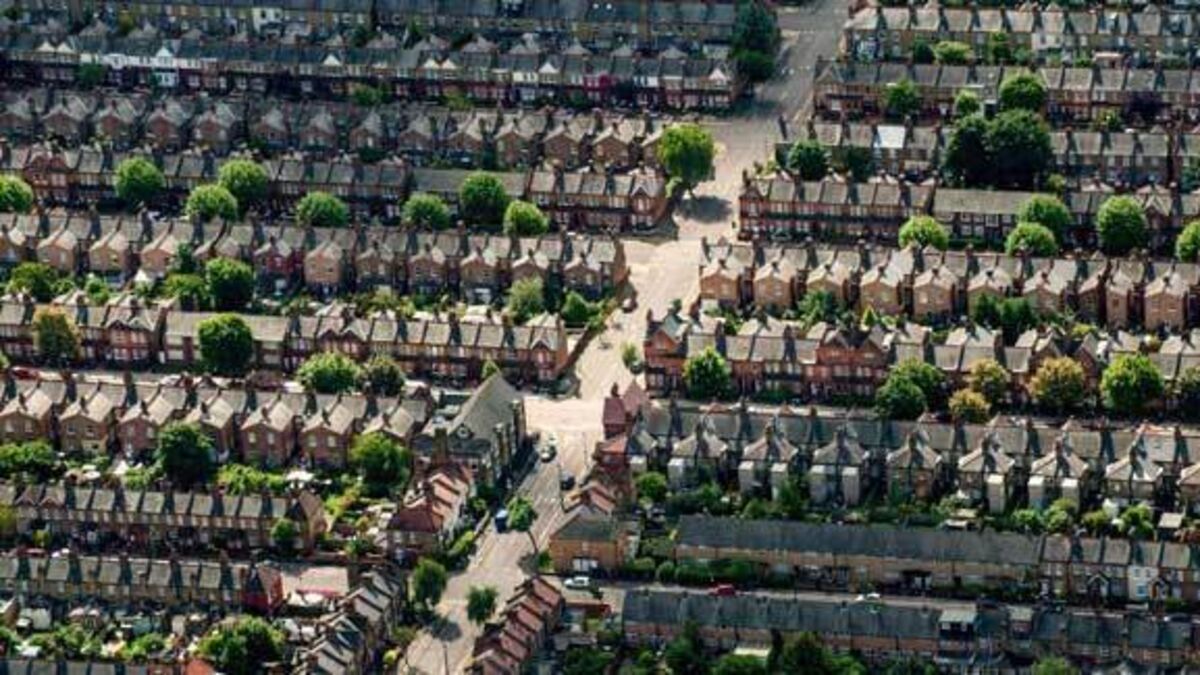
Ireland's social housing waiting list has been growing for decades, a consequence of the State's gradual withdrawal from direct housing provision in favour of market-based solutions and housing assistance payments. The decision, taken in the 1980s and accelerated in the 1990s, to rely primarily on the private sector to meet housing need has left the State with a social housing stock that is wholly inadequate relative to demand.
The waiting list currently stands at over 60,000 households, a figure that represents hundreds of thousands of individual people — adults, children, and elderly people — who are waiting for a social housing allocation that may never come. The average waiting time varies significantly by local authority area, but in Dublin, Cork, and Galway, waits of ten years or more are not uncommon for families in the highest priority categories.
The 55-year projection, which was presented to the Dáil by housing researchers and advocacy groups, is based on current rates of social housing construction and allocation. It assumes no significant acceleration in delivery and no reduction in the rate at which new households are added to the waiting list — assumptions that, while pessimistic, are grounded in the historical pattern of social housing delivery in Ireland.
Key Developments
The figure of 265 people over the age of 65 in emergency accommodation at the end of 2025 has attracted particular attention, as it represents a cohort that is especially vulnerable to the physical and psychological harms associated with homelessness. Older people in emergency accommodation face heightened risks of deteriorating health, social isolation, and cognitive decline, and the adequacy of emergency accommodation services to meet their specific needs has been questioned by advocacy groups.
In response to the chronic shortage of social housing, Dublin's local authorities have launched an enhanced scheme designed to attract private landlords into the social housing leasing market. The scheme offers landlords 100% of market rent — a significant increase on previous arrangements — in exchange for long-term leases that provide social housing tenants with security of tenure. The initiative reflects the pragmatic reality that, in the short to medium term, the State cannot build its way out of the crisis quickly enough to meet immediate need.
Housing Minister Darragh O'Brien has defended the government's record, pointing to the 33% increase in new home completions in the first quarter of 2026 as evidence that supply is accelerating. However, critics have noted that even at this improved rate, completions remain far below the 50,000 to 60,000 units per year that economists say are needed to meet demand.
Why It Matters
The 55-year projection is not simply a statistical curiosity — it is a measure of the gap between the State's ambitions and its actual performance in addressing one of the most fundamental social needs of its citizens. Housing is not a luxury; it is the foundation on which health, education, employment, and family life are built. A State that cannot provide adequate housing for its most vulnerable citizens within a reasonable timeframe is failing in one of its most basic obligations.
The presence of elderly people in emergency accommodation is a particularly stark indicator of this failure. Ireland has a strong cultural tradition of respect for older people, and the image of a 70-year-old sleeping in a hotel room or a hostel because the State cannot provide them with a home is one that should prompt genuine moral discomfort. The fact that this is happening at a time of record government revenues — driven by corporation tax receipts from multinational companies — makes it all the more difficult to justify.
The 55-year figure also has implications for the government's credibility on housing. If the current trajectory is maintained, the housing crisis will not be resolved within the lifetime of anyone currently in the Dáil. This is not a problem that can be managed incrementally; it requires a step change in ambition, investment, and delivery.
Local Impact
In Dublin, the social housing crisis is most visible in the city's emergency accommodation system, which is operating at capacity across all four local authority areas. In areas like Ballymun, Finglas, and Clondalkin, where social housing demand is highest, the waiting list is measured in years rather than months. In Cork, the situation is similarly acute, with Cork City Council reporting that its social housing waiting list has grown by 15% in the past two years. In Galway, the combination of a constrained housing market and a growing population has created pressures that the local authority is struggling to manage. The HSE's social inclusion teams, which work with homeless people across the country, have warned that the current situation is causing measurable harm to the physical and mental health of those affected.
What's Next
The government is expected to publish a revised social housing delivery plan in the autumn, incorporating updated projections and a revised set of targets. The Oireachtas Housing Committee has called for the plan to include a specific commitment to eliminating elderly homelessness within five years, a target that housing advocates have described as achievable if the political will exists. The enhanced landlord leasing scheme in Dublin will be evaluated after its first six months of operation, with a decision on whether to extend it nationally expected before the end of the year.