Coalition of Twelve Homeless Charities Condemns 'Rushed' Social Housing Residency Bill as Dangerous for Vulnerable People
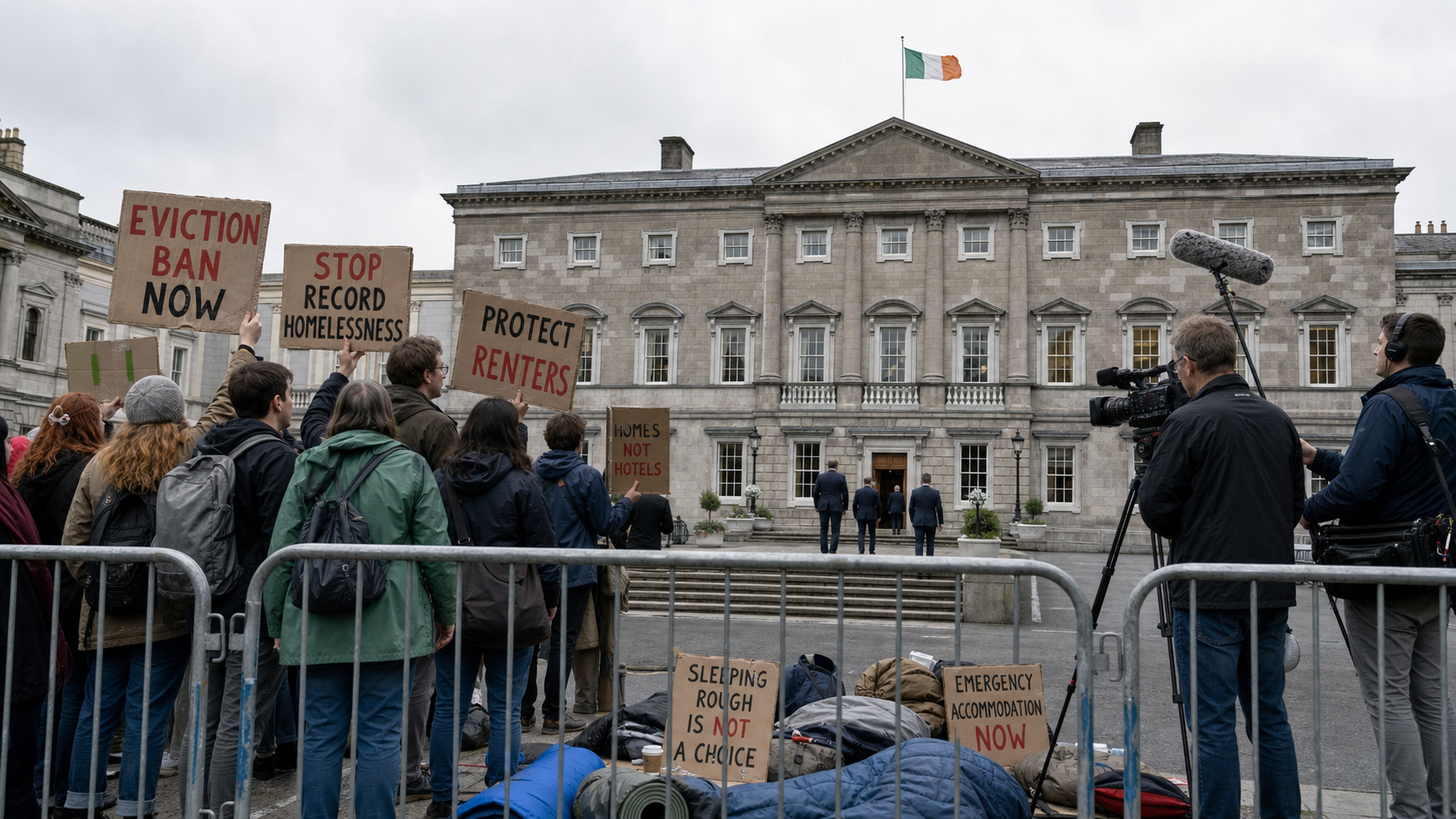
A coalition of twelve of Ireland's most prominent homeless charities has issued a joint condemnation of the government's Housing and Residential Tenancies Bill 2026, warning that the legislation is being rushed through the Oireachtas in a manner that will create dangerous barriers to emergency accommodation for the most vulnerable people in Irish society, including victims of domestic violence, trafficking survivors, and those with complex needs.
Background
The Housing and Residential Tenancies Bill 2026 represents the government's latest legislative response to Ireland's housing crisis, which has seen homelessness figures reach record levels. In February 2026, the number of people in emergency accommodation exceeded 17,000 for the first time — a figure that includes over 4,000 children — and the pressure on homeless services has been unrelenting throughout the year.
The bill's central provision requires applicants for social housing to demonstrate that they are both legally and "habitually resident" in the State. The government has argued that this requirement largely codifies existing practice and is designed to ensure that social housing resources are directed towards those with a genuine and established connection to Ireland. Ministers have pointed to public concern about the allocation of social housing as a driver of the legislation.
However, the bill has attracted fierce criticism from the voluntary and community sector, which argues that the residency requirement, as drafted, creates significant risks for people whose circumstances make it difficult to demonstrate habitual residence — including those who have fled domestic violence, those who have been trafficked, and those whose immigration status is complex or uncertain.
Key Developments
The joint statement from the twelve charities — which includes Dublin Simon Community, the Peter McVerry Trust, Focus Ireland, Threshold, and eight other organisations — describes the bill as being "rushed" through the legislative process without adequate consultation with those who work directly with homeless people. The charities argue that the speed of the legislation's passage has prevented proper scrutiny of its potential consequences.
The Irish Human Rights and Equality Commission (IHREC) has added its voice to the criticism, raising formal concerns about the bill's compatibility with Ireland's human rights obligations. The commission has specifically highlighted the risk that the habitual residence requirement could disproportionately impact victims of domestic violence, who may have left their homes suddenly and without documentation, and survivors of trafficking, whose immigration status may be uncertain or contested.
The government has responded by maintaining that the bill is necessary and proportionate, and that existing protections for vulnerable groups will be maintained. Housing Minister Darragh O'Brien has argued that the legislation is not intended to exclude genuinely vulnerable people from social housing but to ensure that the system operates fairly and transparently. However, the charities have rejected this assurance, arguing that the bill's drafting does not adequately reflect these intentions.
Why It Matters
The controversy over the social housing residency bill reflects a broader tension in Irish housing policy between the imperative to manage scarce resources fairly and the obligation to protect the most vulnerable members of society. Ireland's social housing waiting list is enormous — with projections suggesting it could take 55 years to clear at the current rate of delivery — and the political pressure to be seen to be managing the system rigorously is intense.
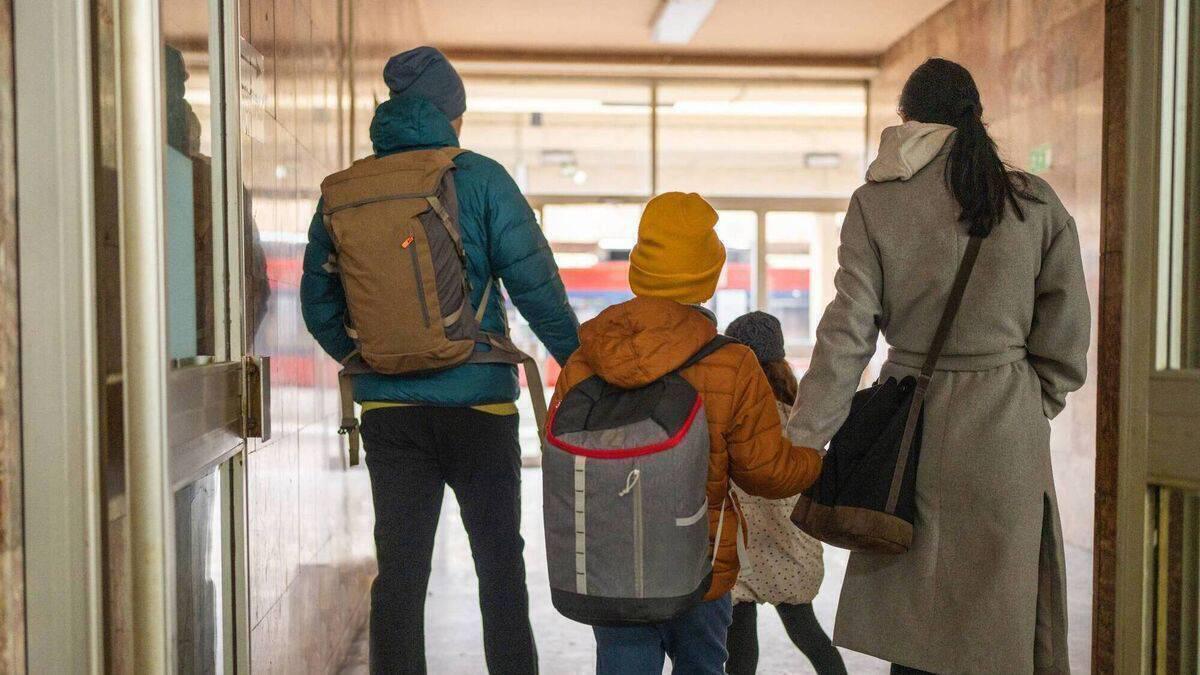
However, the charities' concerns are not abstract. They are based on direct experience of working with people whose circumstances do not fit neatly into administrative categories. A domestic violence survivor who has fled her home with her children may not be able to produce the documentation required to demonstrate habitual residence. A trafficking survivor whose immigration status is being determined may fall into a legal grey area that the bill, as drafted, does not adequately address.
The IHREC's intervention is particularly significant. The commission is an independent statutory body with a mandate to protect and promote human rights and equality in Ireland, and its formal concerns about a piece of legislation carry considerable weight. The government will need to respond substantively to those concerns if it is to avoid a legal challenge to the bill after its enactment.
Local Impact
In Dublin, where the homelessness crisis is most acute, the charities' concerns are grounded in daily operational reality. Services like the Dublin Simon Community's emergency shelters and the Peter McVerry Trust's supported housing programmes work with people whose circumstances are often chaotic and whose documentation is frequently incomplete. In Cork, Galway, and Limerick, similar organisations report that the bill's residency requirement could create significant administrative burdens that divert resources from direct service delivery. The HSE's social inclusion teams, which work closely with homeless services across the country, have also expressed concern about the bill's potential impact on their clients.
What's Next
The bill is expected to complete its Oireachtas passage before the summer recess, though opposition parties have signalled their intention to table amendments addressing the concerns raised by the charities and the IHREC. The government has indicated it is open to "technical amendments" but has ruled out any changes that would fundamentally alter the bill's core provisions. Legal challenges to the legislation, if enacted in its current form, are considered likely by several of the charities involved in the coalition.