Ireland's GP Shortage Reaches Crisis Point with 1,500 Doctors Needed as Rural Communities Face 'Medical Deserts'
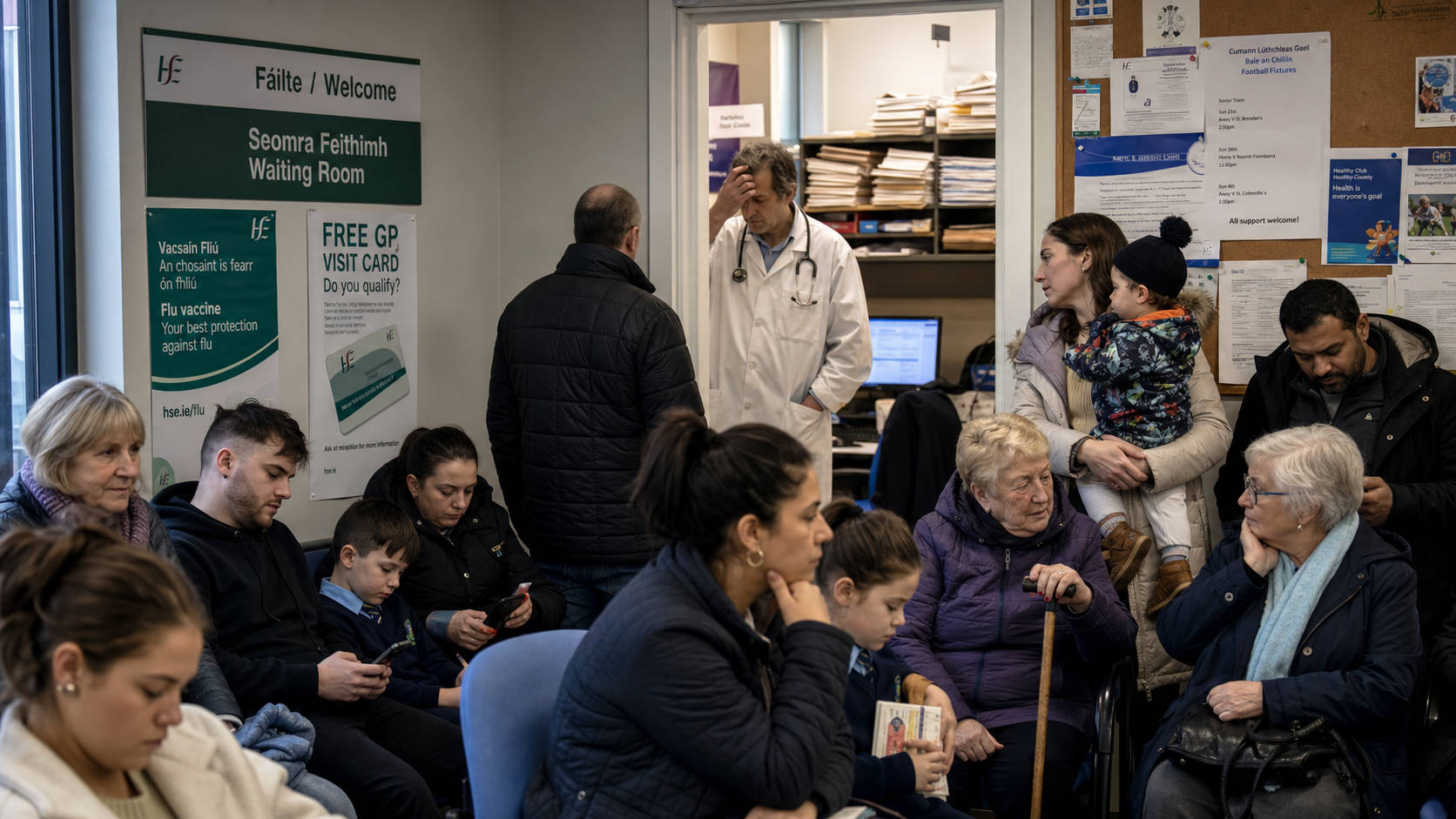
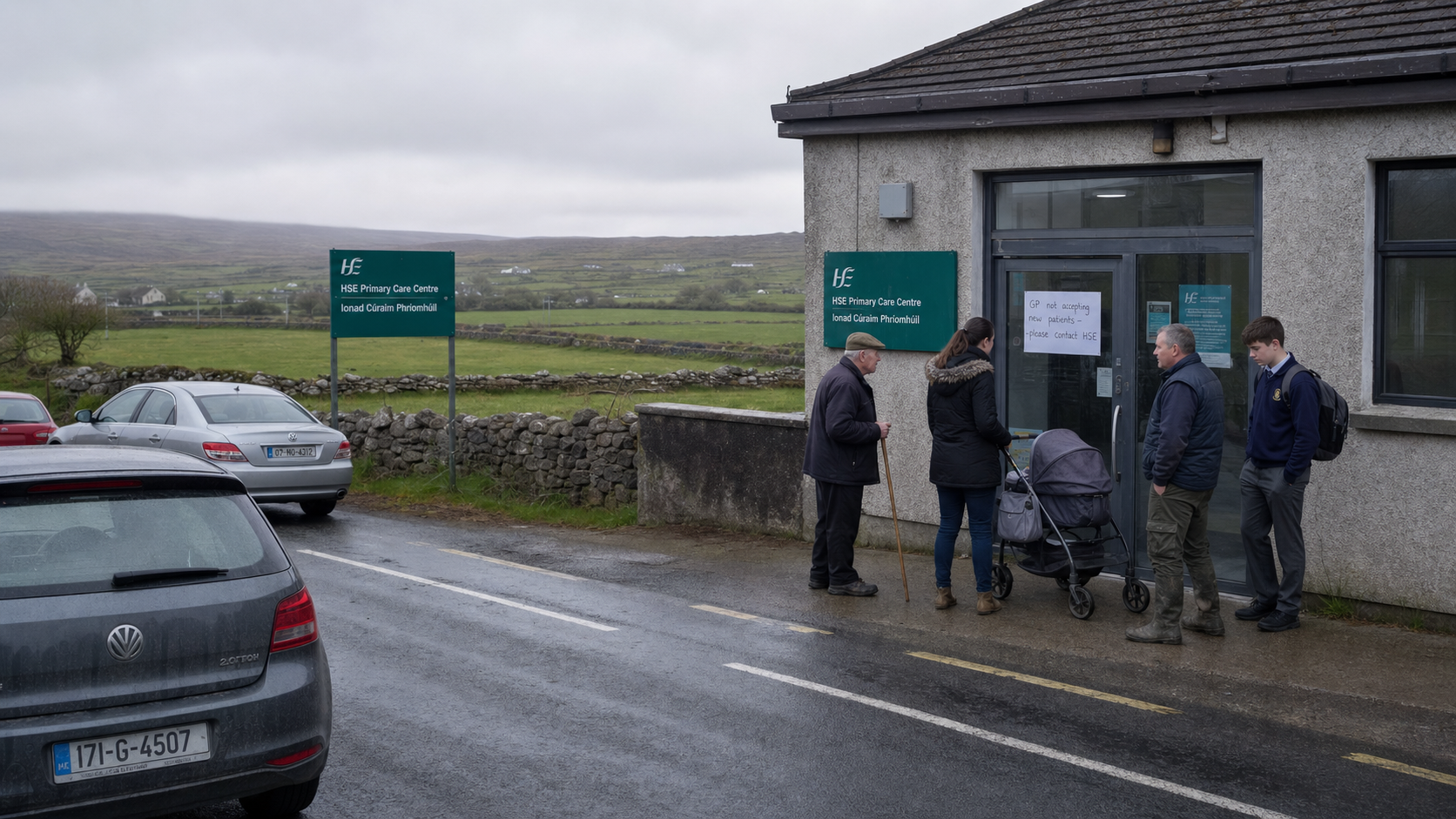
Ireland's primary care system is in the grip of a deepening crisis that is leaving thousands of patients unable to register with a GP, forcing them to rely on emergency departments and out-of-hours services for conditions that should be managed in the community. A shortfall of between 1,500 and 2,000 general practitioners — in a country that currently has approximately 4,600 in practice — is creating what experts describe as "medical desert" conditions in rural areas across the north-west, north Mayo, Leitrim, and the border region, while rapid population growth in Dublin's commuter belt has outpaced the development of new GP infrastructure in counties Kildare, Louth, and Wicklow.
Background
General practice has been the foundation of the Irish health system since the establishment of the General Medical Services scheme in 1972, which provided free GP care to those with medical cards. The system has evolved significantly since then, with the extension of free GP care to children under eight, to those over seventy, and most recently to all children under twelve, reflecting a political commitment to expanding access to primary care. But this expansion of entitlement has not been matched by a corresponding expansion of the GP workforce, creating a structural imbalance that is now manifesting as a full-blown access crisis.
The Irish College of General Practitioners has been warning about the GP shortage for years, citing the combination of an ageing workforce — a significant proportion of the current cohort is approaching retirement age — and the high rate of emigration among newly qualified doctors. Approximately one-third of newly qualified Irish GPs leave the country annually, drawn by better pay, working conditions, and quality of life in Australia, New Zealand, Canada, and the United Kingdom. This emigration rate effectively undermines the domestic training effort, with the state investing in the education of doctors who then provide their services to other health systems.
The Sláintecare reform programme, which is intended to transform the Irish health system into a universal, single-tier model, places general practice at the centre of its vision. The shift from hospital-based to community-based care that Sláintecare envisages depends on a robust and accessible GP service — a foundation that the current shortage makes impossible to build. The reform agenda and the workforce crisis are therefore in direct tension, with the ambitions of the former undermined by the realities of the latter.
Key Developments
RTÉ News reported in March 2026 on the scale of the GP shortage, citing data showing that the GP workforce had grown by 10% over the past decade — a rate that has only narrowly kept pace with a 9% increase in the total population, and that has done nothing to address the pre-existing deficit. The Irish College of GPs projects that demand for GP visits will increase by between 23% and 30% by 2040, driven by population growth and the rising burden of chronic disease in an ageing population. Meeting this demand would require nearly 1,000 additional GPs beyond the current shortfall.
The geographic dimension of the crisis is particularly stark. In rural areas of the north-west — including parts of Donegal, Leitrim, and north Mayo — GP practices are operating at full capacity and closing their lists to new patients, leaving residents without access to a local doctor. The term "medical desert" has been used by the Irish College of GPs to describe areas where the ratio of GPs to population has fallen below the level needed to provide basic primary care. In these areas, patients may face journeys of an hour or more to reach the nearest available GP, a barrier that is particularly significant for elderly patients and those with mobility difficulties.
The HSE has responded by expanding GP training places by 85% since 2017, with the annual intake target raised to 400. International recruitment programmes have been established to attract GPs from overseas, particularly for rural practices. And the Sláintecare framework is promoting a shift towards multidisciplinary teams — incorporating nurses, pharmacists, and physiotherapists — to alleviate the workload on GPs. But experts argue that these measures, while welcome, are insufficient to address the scale of the problem in the near term.
Why It Matters
The GP shortage matters because general practice is the point of first contact for the vast majority of health needs, and its failure has cascading consequences throughout the health system. When patients cannot access a GP, they turn to emergency departments — which are already under severe pressure — for conditions that could and should be managed in the community. This increases waiting times in emergency departments, diverts resources from genuinely urgent cases, and generates costs that are far higher than the equivalent GP consultation would have been.
The shortage also matters because it exacerbates existing health inequalities. Those who can afford to pay for private GP consultations — or who have private health insurance that covers such costs — are largely insulated from the access crisis. Those who depend on the public system — medical card holders, those on lower incomes, those in rural areas — bear the full burden of the shortage. The GP crisis is therefore not just a health system problem; it is a social justice problem.
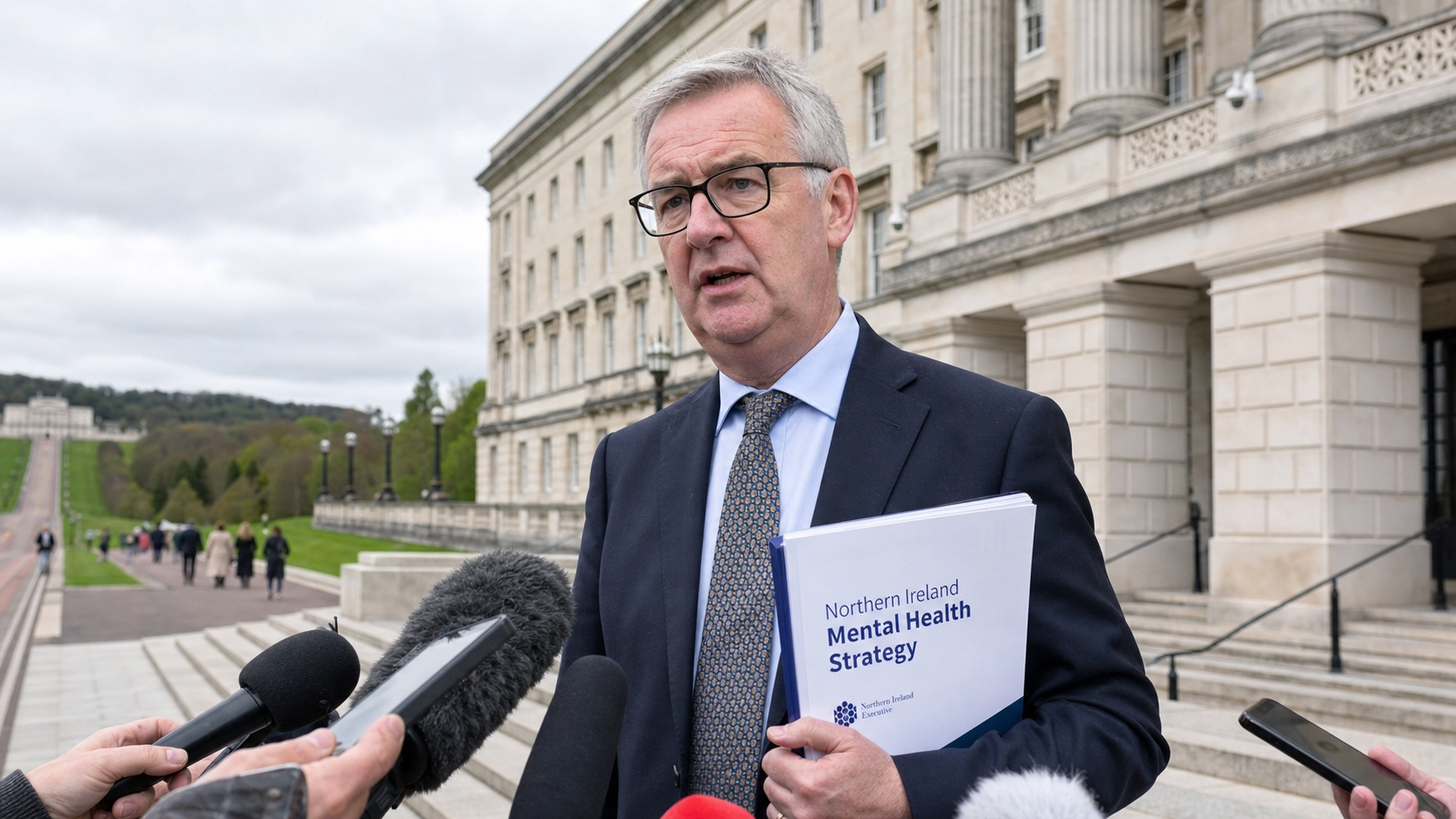
For context, Ireland has approximately 80 GPs per 100,000 population, compared to an EU average of around 100. This gap has been widening rather than narrowing, and the projections for future demand suggest it will continue to do so unless more radical action is taken. The comparison with Northern Ireland — where GP access, while also under pressure, is managed within a different funding and workforce framework — illustrates the consequences of the Republic's failure to invest adequately in primary care infrastructure.
Local Impact
The impact of the GP shortage is felt most acutely in the communities where it is most severe. In Leitrim — Ireland's least populous county — the ratio of GPs to population is among the lowest in the country, and the county has been identified as one of the most at-risk areas for medical desert conditions. In north Mayo, the retirement of long-serving GPs without adequate succession planning has left some communities without a local doctor for extended periods. In the Dublin commuter belt, the rapid growth of towns like Naas, Drogheda, and Bray has outpaced the development of GP infrastructure, leaving new residents without access to a local practice.
In urban areas, the shortage manifests differently but is no less serious. In Dublin's north inner city — an area with high levels of deprivation and complex health needs — GP practices are operating under intense pressure, with long waiting times for appointments and limited capacity to provide the proactive, preventive care that the Sláintecare model envisages. The HSE's community healthcare organisations are working to develop new models of care in these areas, but progress is slow.
What's Next
The Irish College of GPs is expected to publish a detailed workforce plan later in 2026, setting out the specific measures needed to address the shortage over the next decade. The HSE is also reviewing its international recruitment programme, with a view to expanding it and making it more attractive to GPs from countries with comparable training standards. The government is considering a range of financial incentives for rural practice, including retention bonuses for newly qualified doctors and grants for practice establishment, as part of its pre-budget deliberations. A Dáil debate on the GP shortage is expected in the coming weeks, with opposition parties pressing the government for a specific commitment to workforce expansion targets.