Dublin CAMHS Closure Condemned as Mental Health Crisis Deepens
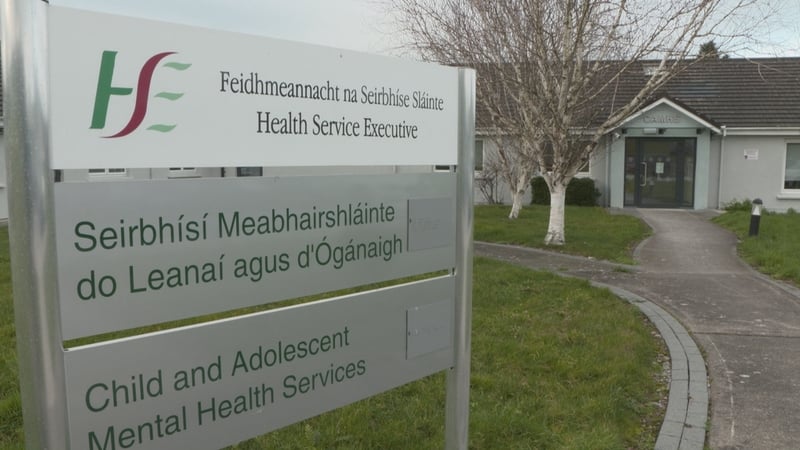
The planned closure of a Child and Adolescent Mental Health Services (CAMHS) inpatient unit in Dublin has been described as "inconceivable" and "deeply irresponsible" by mental health advocates, parents, and healthcare professionals, as Ireland continues to face a severe and worsening shortage of inpatient mental health beds for young people. The closure, which has been attributed to staffing difficulties and building maintenance issues, will remove a significant number of beds from an already critically under-resourced system.
Ireland has one of the lowest rates of child and adolescent mental health inpatient beds in the European Union, with the number of beds per capita falling well below the EU average. The shortage has been a source of ongoing concern for mental health advocates, who have documented numerous cases of young people in acute mental health crises being unable to access inpatient care and being placed in inappropriate settings, including adult psychiatric wards and general hospital emergency departments.
The Impact of the Closure
The closure of the Dublin unit will further reduce the already inadequate supply of CAMHS inpatient beds in the greater Dublin area, which serves a large and growing population of children and young people. Mental health professionals have warned that the closure will inevitably lead to longer waiting times for admission, more young people being placed in inappropriate settings, and an increased risk of serious harm to those who cannot access timely care.
Jigsaw, the national centre for youth mental health, described the closure as "a devastating blow to young people who are already struggling to access the care they need." The organisation's chief executive said it was "simply inconceivable" that a CAMHS unit could be closed at a time when the demand for mental health services for young people was at an all-time high.
The Staffing Crisis
The HSE has attributed the closure in part to difficulties in recruiting and retaining the specialist staff needed to operate the unit safely. CAMHS inpatient units require a high ratio of qualified staff to patients, and the shortage of child and adolescent psychiatrists, psychologists, and specialist nurses in Ireland has made it increasingly difficult to maintain safe staffing levels.
The staffing crisis in CAMHS is part of a broader problem in Irish mental health services, where years of underfunding and poor workforce planning have left the system struggling to meet demand. The HSE's National Mental Health Division has acknowledged the problem and has indicated that it is working on a workforce development plan, but critics argue that progress has been too slow.
Political Response
The closure has prompted an angry response from politicians across the political spectrum. Several TDs have raised the issue in the Dáil, calling on the Minister for Health to intervene and to provide a clear plan for replacing the beds that will be lost. The Mental Health Commission, which is responsible for inspecting and regulating mental health services in Ireland, has also expressed concern about the closure and has called on the HSE to ensure that alternative provision is in place before the unit closes.
Minister for Health Stephen Donnelly said he was "deeply concerned" about the closure and had asked the HSE to provide an urgent briefing on the situation. He acknowledged that the shortage of CAMHS inpatient beds was a serious problem and said the government was committed to addressing it, but was unable to give a specific timeline for when additional beds would be provided.
The Broader Mental Health Challenge
The CAMHS closure is a symptom of a broader crisis in Irish mental health services that has been building for years. Despite repeated commitments from successive governments to increase investment in mental health, the sector remains chronically underfunded relative to the scale of need. The consequences of this underfunding are felt most acutely by young people, who are experiencing mental health difficulties at unprecedented rates and who deserve access to timely, high-quality care.