HSE 2026 Service Plan Promises Record Mental Health Investment with 300 New Posts and 11 CAMHS Beds
The HSE's National Service Plan for 2026, underpinned by a €29 billion budget, sets out the most ambitious expansion of mental health services in the organisation's history — with 300 new staff posts, 11 new Child and Adolescent Mental Health Service beds at Linn Dara in west Dublin, and a record €3.88 billion investment in disability services — but advocacy groups have warned that the plan's credibility is undermined by the simultaneous decision to close the Fairview CAMHS unit, which would reduce the net increase in available beds to a fraction of what the headline figures suggest.
Background
Ireland's mental health services have been the subject of sustained criticism for years. The country has historically underfunded mental health relative to comparable European nations, and the consequences — long waiting lists, inadequate community services, insufficient inpatient capacity — have been well-documented by advocacy groups, the Mental Health Commission and successive reports commissioned by the government itself. The 2006 policy document A Vision for Change set out a roadmap for mental health reform that has never been fully implemented, and the gap between the policy ambition and the service reality has been a source of persistent frustration for service users, families and mental health professionals.
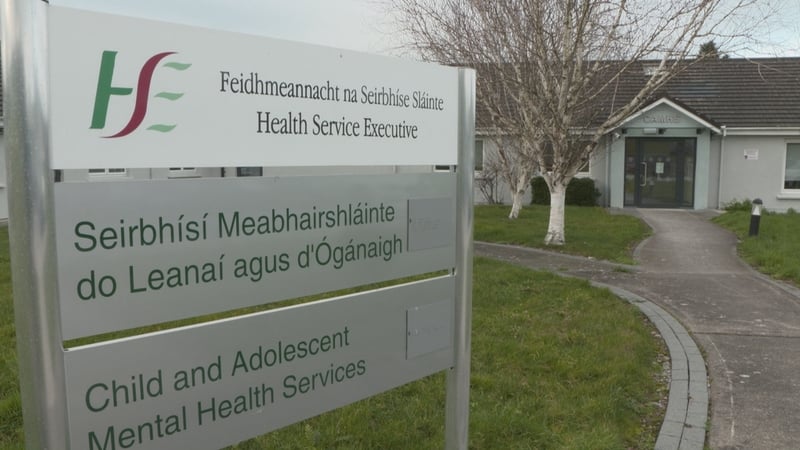
Child and Adolescent Mental Health Services have been a particular area of concern. Ireland has approximately 50 CAMHS inpatient beds nationally, against a recommended minimum of 100. The waiting lists for CAMHS outpatient services are among the longest in the health system, with some children waiting years for an initial assessment. The consequences of inadequate CAMHS provision are severe — children in mental health crisis who cannot access appropriate services are often admitted to adult psychiatric units or to general hospital emergency departments, neither of which is equipped to meet their needs.
The HSE's 2026 National Service Plan represents an attempt to address these longstanding deficiencies, with a level of investment that is genuinely unprecedented. However, the plan's credibility has been called into question by the decision to proceed with the closure of the CAMHS unit at St Vincent's Hospital in Fairview, Dublin — a decision that advocacy groups argue will offset a significant portion of the planned increase in CAMHS capacity.
Key Developments
The 2026 National Service Plan, published with a budget of €29 billion, includes a commitment to create 300 new mental health staff posts, with more than 100 of those dedicated to enhanced crisis response services. The plan also commits to opening 11 new CAMHS beds at Linn Dara in west Dublin — beds that had been closed for four years due to staffing difficulties — and 10 new beds at the new National Children's Hospital.
The disability services investment of €3.88 billion — a 20 per cent increase on 2025 — will fund 199 new residential places, 1,400 new day service places and additional hours of home support and personal assistance. The plan also commits to delivering 428 community beds, 177 acute care beds and five new surgical centres by the end of 2026.
However, the Psychiatric Nurses Association has described the planned closure of the 10-bed CAMHS unit at St Vincent's Hospital in Fairview as "inconceivable," given that it will reduce the net increase in CAMHS inpatient capacity to just one bed nationally. The HSE has indicated that the Fairview unit will close in the third quarter of 2026, with services transferring to Linn Dara — but the PNA has warned that Linn Dara has historically struggled with staffing difficulties, and that there is no guarantee that all 11 beds will be operational when the Fairview unit closes.
Why It Matters
The tension between the HSE's ambitious service plan and the Fairview closure decision illustrates a fundamental challenge in Irish health policy: the gap between what is planned and what is delivered. Ireland has a long history of health policy documents that set out ambitious targets and then fail to achieve them, and the mental health sector has been particularly affected by this pattern. The 2026 service plan's credibility depends on its ability to deliver the promised improvements in practice, not just on paper.
The CAMHS capacity issue is particularly urgent. Children in mental health crisis who cannot access appropriate inpatient care are among the most vulnerable people in the health system, and the consequences of inadequate provision — delayed treatment, deteriorating mental health, family breakdown — are severe and long-lasting. The net increase of one CAMHS bed nationally, if the Fairview closure proceeds as planned, is not a meaningful response to a crisis that has been building for years.
The record investment in disability services is more straightforwardly positive. The 20 per cent increase in funding represents a genuine commitment to improving the lives of people with disabilities and their families, and the specific targets — 199 new residential places, 1,400 new day service places — are concrete and measurable. Whether they will be achieved depends on the HSE's ability to recruit and retain the staff needed to deliver the services, which remains a significant challenge across the health system.
Local Impact
In Dublin, the closure of the Fairview CAMHS unit will affect families across the city who have been relying on the unit's services. The unit, which is located in the north inner city, serves a catchment area that includes some of Dublin's most deprived communities, where the prevalence of mental health difficulties is higher than the national average. The transfer of services to Linn Dara in Palmerstown will increase travel times for many families, particularly those without access to private transport.
The opening of new CAMHS beds at the National Children's Hospital, when it eventually becomes fully operational, will provide additional capacity in a more central location. However, the hospital's opening has been repeatedly delayed, and there is uncertainty about when the CAMHS beds will actually be available.
What's Next
The HSE is expected to publish a detailed implementation plan for the 2026 National Service Plan in the coming weeks, setting out the specific timelines and milestones for each of the plan's commitments. The Fairview CAMHS closure is scheduled for the third quarter of 2026, and the PNA has indicated that it will continue to campaign against the decision. The Mental Health Commission will publish its annual report later in the year, which will provide an independent assessment of progress against the plan's targets.