Ireland Roasts in 30°C Heat as Hosepipe Ban Takes Effect and Met Éireann Issues Status Yellow Warning for Most Counties
Ireland is in the grip of an intense heatwave, with temperatures reaching 30°C across many counties on Wednesday and Met Éireann issuing a Status Yellow high-temperature warning covering most of the country, as Uisce Éireann implemented a six-week hosepipe ban for the Greater Dublin Area and parts of six other counties in response to a 20 per cent surge in water demand that has pushed the national supply network to its limits.
Background
Ireland's relationship with extreme heat is complicated by the fact that the country's infrastructure, housing stock, and public health systems were designed for a temperate maritime climate characterised by mild temperatures and frequent rainfall. The increasing frequency of heatwaves — a direct consequence of climate change — is exposing the inadequacy of those systems and forcing a rapid rethink of how the country prepares for and responds to extreme heat events.
The current warm spell is part of a broader pattern of elevated summer temperatures that has been building since late June. A persistent area of high pressure anchored over the British Isles and western Europe has been drawing warm air northward from the Iberian Peninsula and North Africa, producing conditions that are exceptional by Irish historical standards. Met Éireann's records show that July temperatures above 28°C are rare in Ireland, occurring on average fewer than five days per decade at most stations.
Uisce Éireann, the national water utility, has been monitoring the situation closely for several weeks. The combination of high temperatures, low rainfall, and increased demand for garden watering, car washing, and swimming pool filling has placed the water supply network under significant strain, particularly in the Greater Dublin Area, which is served by a complex system of reservoirs, treatment plants, and distribution infrastructure that has limited spare capacity during peak demand periods.
Key Developments
The Status Yellow high-temperature warning issued by Met Éireann on July 15 covers Carlow, Kildare, Kilkenny, Laois, Longford, Offaly, Westmeath, Cavan, Donegal, all of Connacht, and all of Munster. The warning, which remains in effect until 6:00 am on Friday, July 17, advises the public to take precautions against heat stress and to be particularly vigilant about the welfare of elderly people, young children, and those with underlying health conditions.
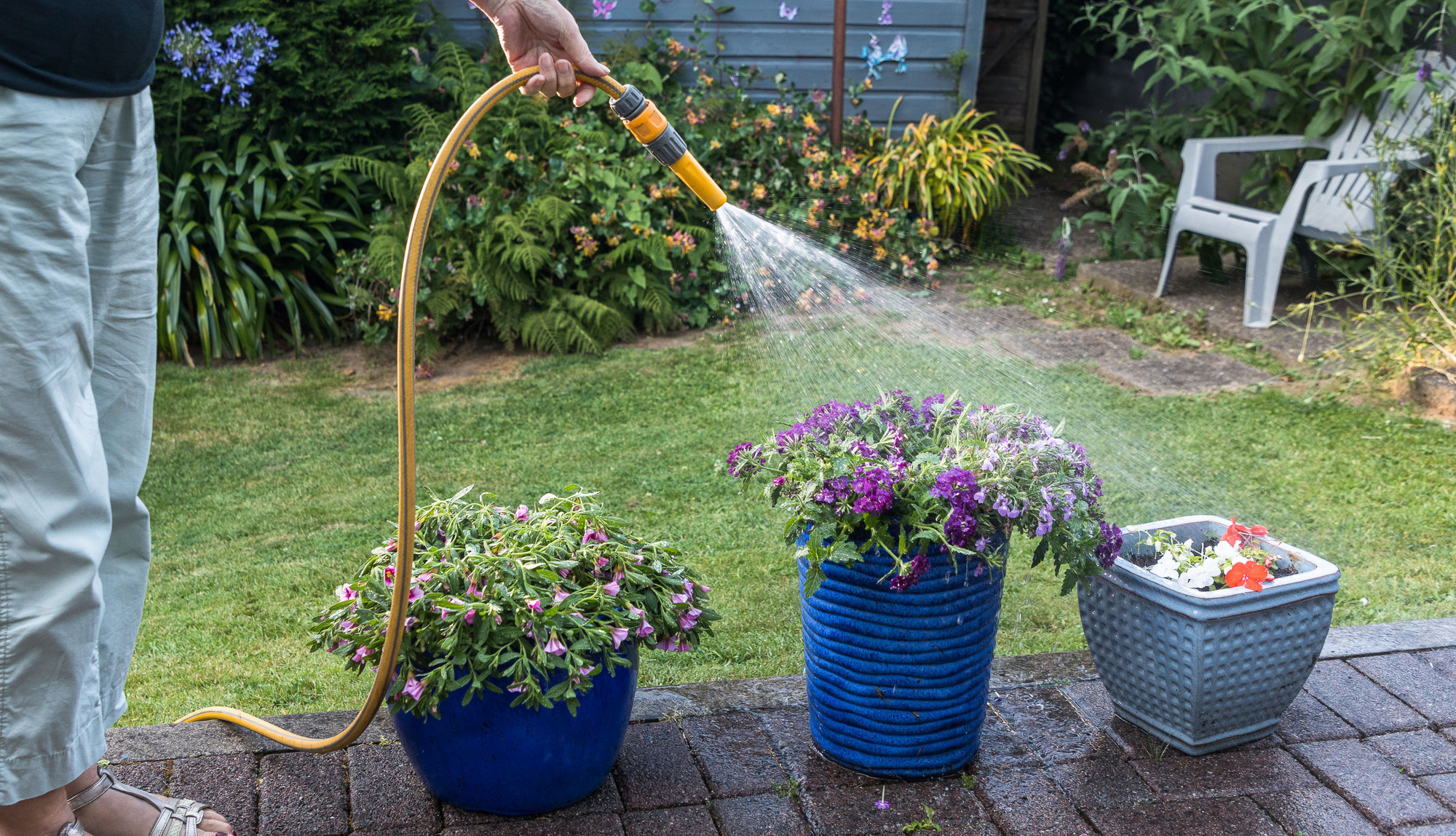
The six-week hosepipe ban, which took effect at midnight on Thursday, July 16, applies to Dublin, south Tipperary, and parts of Kildare, Meath, Westmeath, Wexford, and Wicklow. The ban prohibits the use of hosepipes for garden watering, car washing, and filling paddling pools or garden ponds. Breaches of the order can result in fines of up to €5,000. Uisce Éireann has stated that daily demand in the Greater Dublin Area reached approximately 693 million litres — about 50 million litres above the recent average — making the conservation order unavoidable.
In addition to the hosepipe ban, night-time water restrictions are in place for 39 schemes across 12 counties, allowing reservoirs to replenish during the hours of lowest demand. The HSE has issued public health guidance urging people to stay out of the sun between 11am and 3pm, to keep hydrated, and to never leave children or animals in parked cars.
Why It Matters
The hosepipe ban is the most visible manifestation of a water supply challenge that has been building for years. Ireland's water infrastructure, much of which dates from the mid-twentieth century, was not designed to cope with the combination of population growth, climate change, and the increasing frequency of extreme weather events. Uisce Éireann has been investing in infrastructure upgrades since its establishment in 2014, but the pace of investment has been constrained by funding limitations and planning delays.
The current crisis is a preview of what climate scientists predict will become an increasingly common occurrence. Ireland's average summer temperatures have risen by approximately 0.8°C since the mid-twentieth century, and projections suggest that heatwaves of the current intensity could become a regular feature of Irish summers by the 2040s. The hosepipe ban, which would have been considered an extraordinary measure a decade ago, may become a routine summer fixture within a generation.
There is also a public health dimension that deserves attention. Ireland has a relatively low level of public awareness about heat-related illness compared to countries with more established heatwave cultures, and the HSE's guidance — while welcome — is reaching a population that has limited experience of managing extreme heat. The risk is particularly acute for elderly people living alone, many of whom may not have air conditioning or adequate ventilation in their homes.
Local Impact
In Dublin, the hosepipe ban has been met with a mixture of compliance and frustration. Garden centres in the city have reported a surge in demand for drought-resistant plants and water-efficient irrigation systems, while hardware stores have sold out of water butts and drip irrigation equipment. Dublin City Council has opened its parks and public spaces for extended hours to provide shade and green space for residents without gardens.
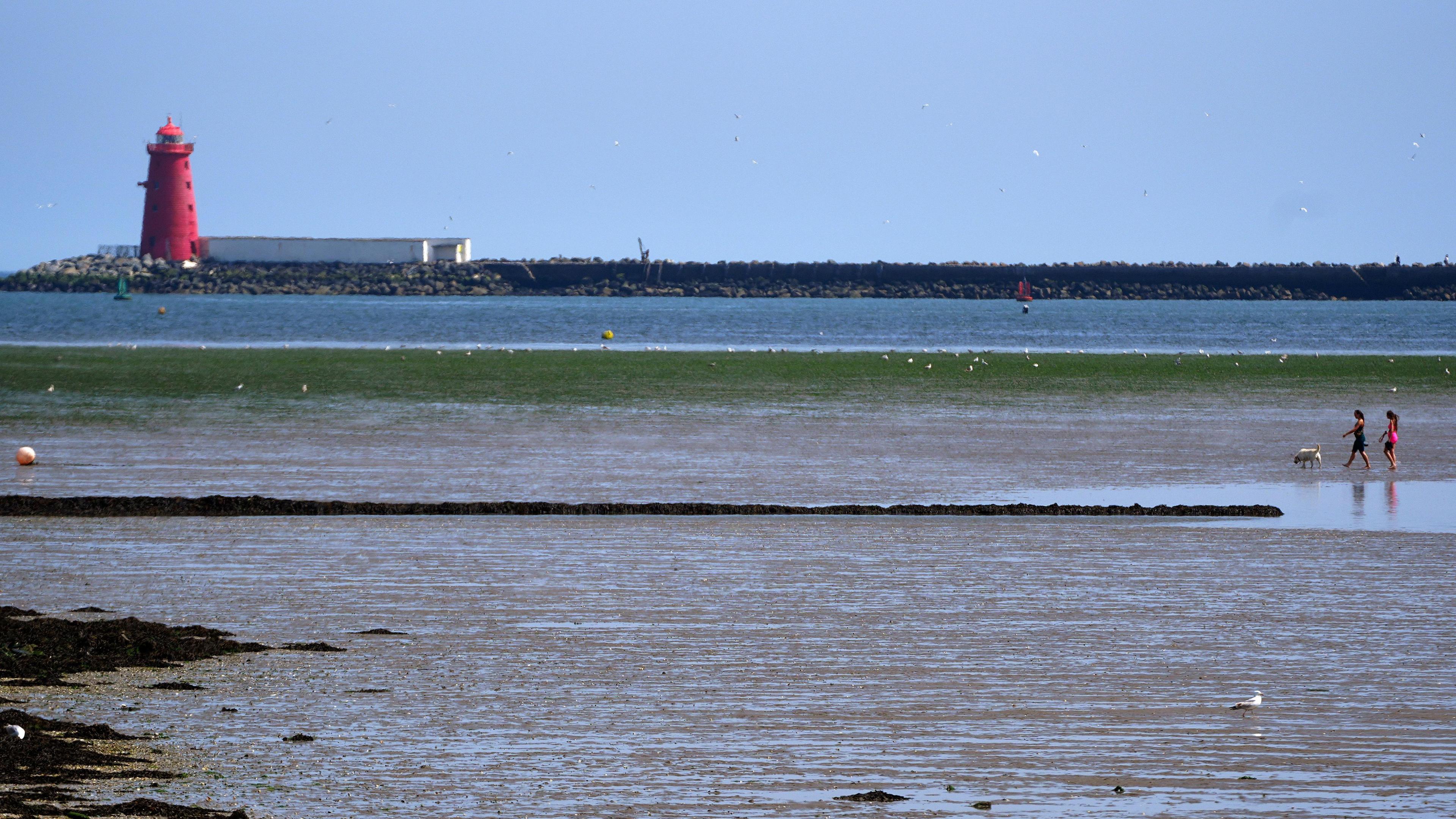
In Cork, Galway, and Limerick, the heatwave has brought both opportunity and challenge. Coastal areas — Inchydoney, Salthill, and the Shannon Estuary — have been packed with visitors, and the tourism sector has welcomed the boost. However, the Irish Water Safety organisation has reported a significant increase in incidents involving people getting into difficulty in open water, and has urged the public to swim only at lifeguarded beaches.
What's Next
Met Éireann's forecast suggests that temperatures will begin to ease from Friday, July 17, as a frontal system moves in from the Atlantic. However, the hosepipe ban will remain in place for six weeks regardless of weather conditions, as Uisce Éireann needs time to allow reservoir levels to recover. The utility has indicated it will review the ban at the four-week mark and will lift it earlier if supply conditions improve sufficiently. A full review of Ireland's water supply resilience in the context of climate change is expected to be published by the Department of Housing in the autumn.