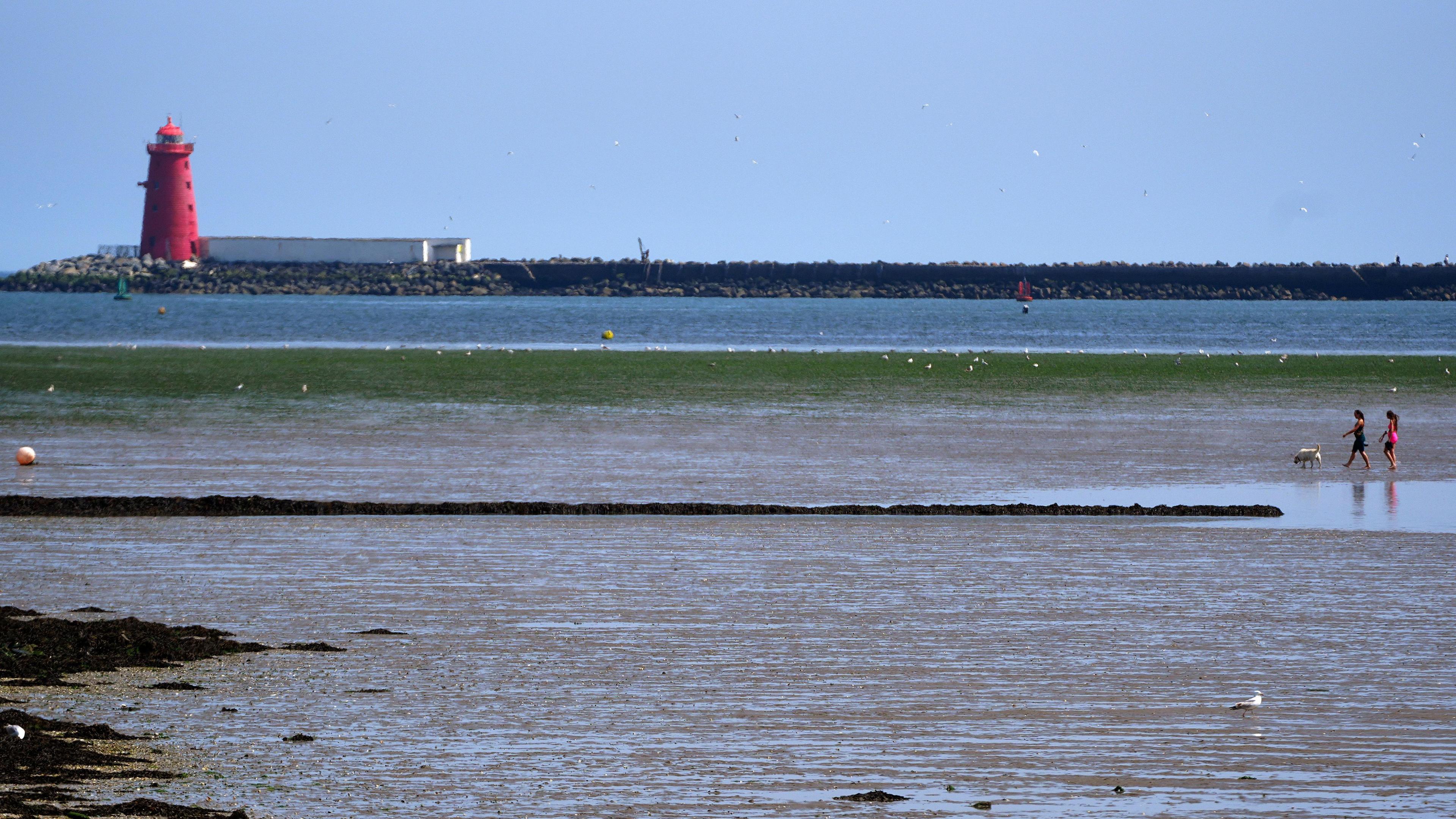
Ireland Heatwave Intensifies as Met Éireann Issues Warnings and Hosepipe Ban Takes Effect for Dublin Region
Ireland is in the grip of a sustained and intensifying heatwave, with Met Éireann issuing Status Yellow high-temperature warnings for the majority of counties on July 14 and 15 as temperatures are forecast to exceed 27 degrees Celsius across much of the country and potentially reach 30 degrees in some areas. The prolonged dry and warm conditions have placed the national water supply under severe pressure, prompting Uisce Éireann to implement a six-week hosepipe ban for Dublin and surrounding counties that comes into effect on Wednesday, July 16, while the Irish Coast Guard has reported a dramatic spike in water-related emergencies.
Background
Ireland's climate, shaped by its position on the western edge of Europe and the moderating influence of the Atlantic Ocean, is not typically associated with extreme heat. The country's temperate maritime climate produces mild, wet conditions for much of the year, and prolonged periods of high temperatures are relatively unusual. However, the pattern of summer weather in Ireland has been shifting in recent years, with more frequent and more intense heat events becoming a feature of the Irish summer.
The current heatwave has its origins in a persistent high-pressure system that has settled over western Europe, blocking the Atlantic weather systems that normally bring cloud and rain to Ireland. This blocking pattern has allowed temperatures to build steadily over a period of days, with the heat accumulating in the soil and built environment in a way that amplifies the impact of each successive warm day.
Several weather stations across Ireland, including Shannon in County Clare and Moore Park in County Cork, have officially declared a heatwave — a meteorological designation that requires temperatures to exceed a defined threshold for a specified number of consecutive days. The official heatwave declaration reflects the sustained and exceptional nature of the current conditions rather than simply a few warm days.
Key Developments
Met Éireann's Status Yellow high-temperature warnings, issued for the majority of counties on July 14 and 15, advise the public to take precautions against the heat, including staying hydrated, avoiding prolonged exposure to direct sunlight during the hottest part of the day, and checking on vulnerable individuals such as the elderly and those with chronic health conditions. Minister James Browne, who has responsibility for emergency management, has urged the public to exercise caution and to be aware of the risks associated with extreme heat.
The most significant practical consequence of the heatwave has been the pressure placed on the national water supply. Uisce Éireann, the national water utility, reported that demand in the Greater Dublin Area had surged to record levels as the prolonged dry and warm conditions led to increased garden watering, car washing, and other non-essential water uses. The utility has implemented a national water conservation order — commonly known as a hosepipe ban — that comes into effect on July 16 and is scheduled to remain in place until August 26.
The ban applies to Dublin, south Tipperary, and parts of Kildare, Meath, Wexford, and Wicklow, and prohibits the use of hosepipes for non-essential tasks including watering private gardens, washing cars, and filling paddling pools or private swimming pools. Uisce Éireann has stated that while breaches of the order could theoretically result in significant fines, its enforcement strategy relies primarily on public cooperation, which has historically proven effective in previous conservation orders.
Why It Matters
The current heatwave and its consequences matter because they illustrate the real-world impact of climate change on Irish infrastructure and daily life. Ireland's water supply system was not designed for the kind of sustained high-demand conditions that prolonged heatwaves create, and the implementation of a hosepipe ban for the Dublin region — home to more than a third of the country's population — is a significant disruption to normal life.
The hosepipe ban also highlights the vulnerability of Ireland's water infrastructure to climate variability. Uisce Éireann has been investing in upgrading the national water network, but the pace of that investment has not kept pace with the growing demands placed on the system by population growth, climate change, and the legacy of decades of under-investment in water infrastructure. The current situation is a preview of the challenges that Ireland will face with increasing frequency as the climate continues to change.
The spike in water-related emergencies — with the Irish Coast Guard reporting approximately 100 callouts over the preceding weekend — is a reminder that heatwaves carry real risks to human life, particularly for those who seek relief from the heat in rivers, lakes, and coastal waters without adequate swimming ability or awareness of the hazards involved. The Coast Guard's response capacity has been stretched by the volume of callouts, raising questions about whether Ireland's emergency services are adequately resourced for the kind of extreme weather events that are becoming more common.
Local Impact
In Dublin, the hosepipe ban will affect hundreds of thousands of households and businesses across the city and its commuter belt. The ban covers the entire Dublin City Council area as well as parts of Fingal, South Dublin, and Dún Laoghaire-Rathdown, meaning that the vast majority of the capital's residents will be subject to the restrictions from July 16.
In County Cork, the Irish Examiner reported that roads in some areas were "disintegrating and melting" under the high temperatures, with council crews deploying sand and grit to affected surfaces to prevent further damage. The impact of extreme heat on road surfaces is a relatively unusual phenomenon in Ireland, and the Cork experience is a reminder that infrastructure designed for a temperate climate may not be adequate for the conditions that climate change is bringing.
Night-time water restrictions have also been put in place for 39 other water supplies across the country, affecting communities in counties including Wicklow, Wexford, Kildare, and Meath. These restrictions, which limit water pressure during overnight hours to conserve supply, add to the disruption caused by the hosepipe ban and reflect the scale of the pressure on the national water system.
What's Next
Met Éireann's forecasts suggest that the current heatwave is likely to persist for at least several more days, with temperatures remaining above normal for much of the country through the middle of the week. The possibility of temperatures reaching 30 degrees Celsius on Wednesday has been flagged as a particular concern, given the health risks associated with extreme heat for vulnerable populations.
Uisce Éireann has indicated that the hosepipe ban will remain in place until August 26 unless conditions change significantly. The utility will monitor water demand and supply levels closely throughout the ban period and will provide regular updates to the public on the situation. The ban is expected to reduce demand by a meaningful amount, but Uisce Éireann has acknowledged that it may need to implement additional conservation measures if the heatwave continues beyond its current forecast duration.
The National Severe Weather and Flood Coordination Group, which convened to address the heatwave situation, will continue to meet as conditions evolve. The group brings together representatives from Met Éireann, the Office of Public Works, the Irish Coast Guard, and other relevant agencies to coordinate the national response to severe weather events.