Dublin City Council's €581 Million Camden Yard HQ Move Faces Scrutiny Over Cost and Transparency
Dublin City Council's plan to relocate its headquarters from the Wood Quay complex to a new development at Camden Yard in the south inner city has come under intense scrutiny, with elected councillors and critics questioning the projected €581 million cost of the project and raising concerns about a lack of transparency in the decision-making process.
Background
Dublin City Council's current headquarters at Wood Quay, on the south bank of the River Liffey in the city centre, has been the administrative home of the council since the 1990s. The complex, which includes the distinctive curved Civic Offices designed by Sam Stephenson, sits on a site of significant historical importance — the location of a major Viking settlement excavated in the 1970s in one of the most controversial archaeological controversies in Irish history, when the decision to proceed with the offices despite the discovery of the Viking remains generated widespread public protest.
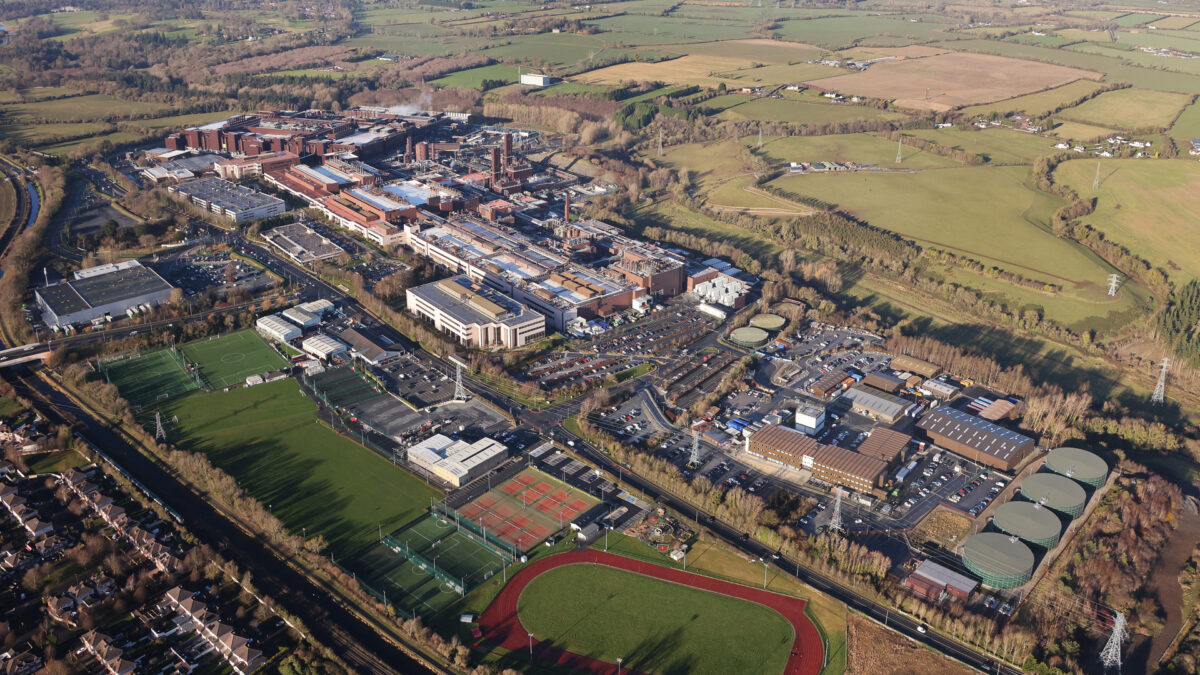
The council has been considering the future of its headquarters for several years, driven by concerns about the condition and energy efficiency of the existing buildings. A detailed assessment concluded that retrofitting the Wood Quay complex to modern standards would cost between €487 million and €504 million — a figure that the council has used to justify the decision to relocate rather than refurbish. The Camden Yard site, a 3.6-acre former campus of Technological University Dublin in the Portobello area of south Dublin, was identified as the preferred location for a new headquarters.
The council acquired the Camden Yard site for €90 million in the first quarter of 2026, in what was one of the largest development land transactions of the year. The total projected cost of the relocation project — including site acquisition, construction of the new headquarters, and associated costs — is €581 million, with the move expected to be completed by 2029-30. Upon vacating Wood Quay, the council plans to demolish the existing offices and use the site for the construction of 530 public homes.
Key Developments
The project has come under sustained criticism from a number of elected councillors, who have raised questions about both the cost and the process by which the decision was made. Several councillors have reported difficulty in accessing the detailed documents and assessments that underpin the council's decision, including the retrofit cost estimates that were central to the justification for relocation. This restricted access has prompted accusations of a lack of transparency in a decision of major public significance.
Critics have also questioned the retrofit cost estimates themselves, suggesting that the figures used by the council may be inflated or based on assumptions that do not reflect current market conditions. Independent quantity surveyors consulted by some councillors have suggested that a comprehensive retrofit of the Wood Quay complex could be achieved at significantly lower cost than the council's estimates indicate, though the council has defended its figures as based on a thorough and independent assessment.
The council's chief executive has defended the Camden Yard project as the most cost-effective and strategically sound option for the long-term future of the council's administrative functions, pointing to the housing benefit of freeing up the Wood Quay site as a key justification. The 530 public homes to be built on the Wood Quay site would represent a significant contribution to Dublin's social housing stock, though critics note that the timeline for their delivery is uncertain.
Why It Matters
A €581 million expenditure by a local authority is a matter of significant public interest, and the concerns raised by councillors about transparency are legitimate and important. Dublin City Council is the largest local authority in the state, responsible for a budget of approximately €1.5 billion per year and for the delivery of a wide range of services to the 1.4 million people who live in the greater Dublin area. Decisions of this scale and complexity require robust scrutiny, and the reported difficulty in accessing supporting documents is a concern that the council's management needs to address directly.
The retrofit versus relocate debate also has broader implications for public sector property management across Ireland. The Office of Public Works manages a large portfolio of state-owned buildings, many of which are ageing and energy-inefficient. The approach taken by Dublin City Council — and the cost estimates used to justify it — will be watched closely by other public bodies facing similar decisions about their property portfolios.
The housing dimension of the project is genuinely significant. The Wood Quay site, in the heart of Dublin city centre, is an exceptionally valuable location for residential development. Five hundred and thirty public homes on that site would represent a meaningful contribution to the city's housing stock and would help to repopulate the city centre, which has seen a decline in residential population relative to its commercial and tourist functions. Whether the project delivers on this promise — and on what timeline — will be a key measure of its ultimate value.
Local Impact
For residents and businesses in the Portobello and South Circular Road area, the development of a major new public building at Camden Yard will have significant implications for traffic, parking, and the character of the neighbourhood. The area is already one of the most densely populated parts of Dublin's inner city, with a mix of residential, commercial, and cultural uses. The arrival of a large public sector employer — Dublin City Council employs approximately 6,000 people — will generate substantial footfall and economic activity, but will also place additional pressure on local infrastructure.
For the Wood Quay area, the eventual demolition of the Civic Offices and the construction of 530 homes will transform one of the most prominent sites in the city centre. The development will need to be carefully designed to respect the archaeological significance of the site and to integrate with the surrounding streetscape, including the nearby Christ Church Cathedral and the Dublinia museum. Dublin City Council's planning department will be responsible for overseeing the planning process for the new residential development.
What's Next
Dublin City Council is expected to bring a detailed project update to the full council meeting in September, at which point councillors will have an opportunity to scrutinise the cost estimates and the project timeline. An independent review of the retrofit cost estimates has been requested by a group of councillors and is expected to be commissioned in the coming weeks. Planning applications for the new Camden Yard headquarters are expected to be submitted to An Bord Pleanála in early 2027. The council has indicated it will publish a comprehensive project document, including all supporting assessments, before the September council meeting.