Cohousing Communities Ireland Calls on Government to Address Housing Policy Gap for Over-50s
The not-for-profit organisation Cohousing Communities Ireland has issued a public call on the Irish Government to address what it describes as a significant gap in housing policy by actively facilitating the development of cohousing communities for people aged 50 and over. The group argues that cohousing — a model of intentional community living that combines private homes with shared communal spaces and a strong emphasis on mutual support — offers a practical and desirable alternative to the binary choice between independent living and residential care that currently defines the housing options available to older Irish people.
Background
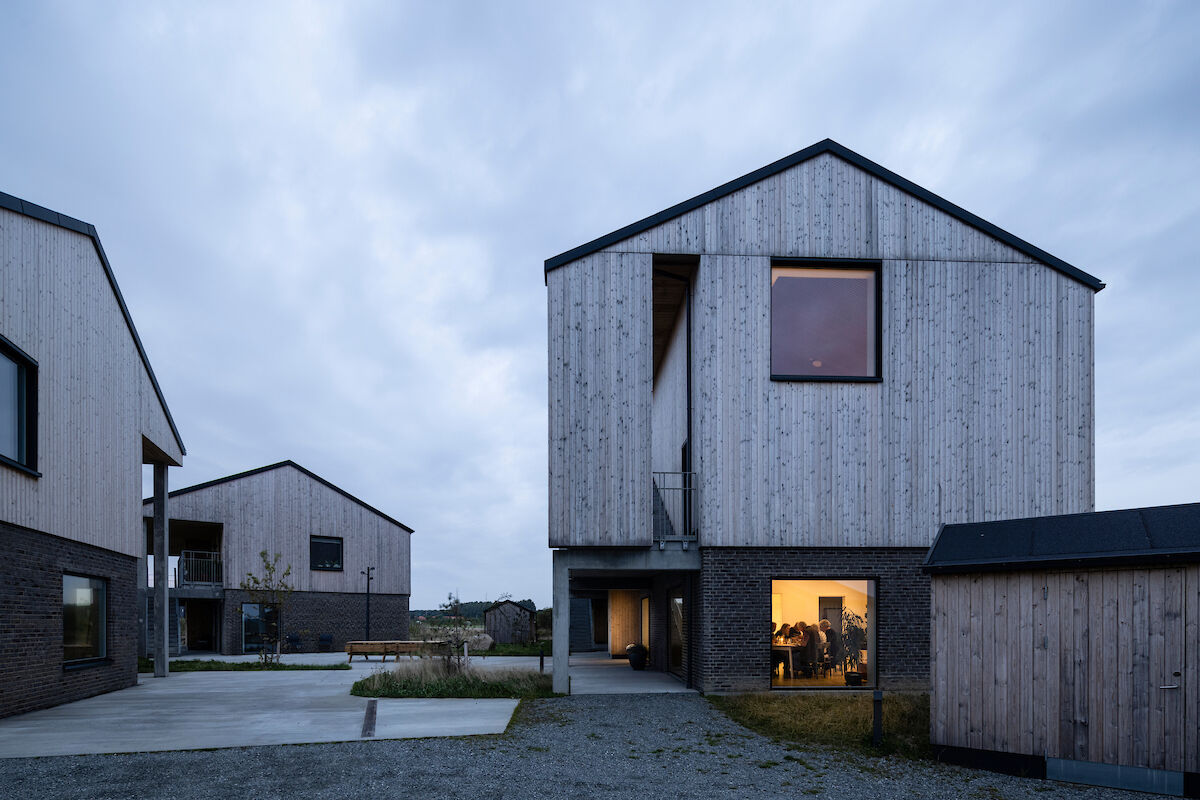
Cohousing is a model of residential development that originated in Denmark in the 1960s and has since spread across Europe, North America, and beyond. It is characterised by a combination of private, self-contained homes and shared communal facilities — typically including a common house with a kitchen and dining area, gardens, workshops, and other shared spaces. Residents in cohousing communities are intentional neighbours who choose to live together and who take an active role in the management and governance of their community.
The model has been particularly successful in addressing the housing and social needs of older people, who often face a combination of challenges including social isolation, the practical difficulties of maintaining a large family home, and the desire to remain independent while having access to mutual support. Cohousing communities for older people — sometimes called senior cohousing or elder cohousing — have been developed extensively in Scandinavia, the Netherlands, and Germany, and are increasingly being developed in the UK and the United States.
In Ireland, the concept of cohousing remains relatively underdeveloped, despite growing interest from older people and housing advocates. The absence of a clear policy framework for cohousing development, combined with the practical challenges of financing and planning such projects, has limited the growth of the sector. Cohousing Communities Ireland was established to advocate for the development of the model in Ireland and to support groups of people who want to develop cohousing communities.
Key Developments
RTÉ reported on July 14 that Cohousing Communities Ireland had issued a public call on the government to address the "major housing policy blind spot" represented by the absence of a clear framework for cohousing development for older people. The group's call is directed at the Department of Housing, Local Government and Heritage, which has responsibility for housing policy in Ireland.
The group's specific asks include the development of a national policy framework for cohousing, the provision of state land for cohousing development, the creation of financing mechanisms that make cohousing projects viable, and the reform of planning regulations to facilitate the development of cohousing communities in appropriate locations. These are practical and specific demands that reflect the group's understanding of the barriers that currently prevent cohousing from developing at scale in Ireland.
The call comes at a time when Ireland's housing crisis is placing enormous pressure on all segments of the housing market, including the market for older people. The combination of rising rents, high property prices, and a shortage of appropriate housing options for older people is creating a situation in which many people in their 50s, 60s, and 70s are living in housing that does not meet their needs — either too large, too expensive to maintain, or too isolated — without viable alternatives.
Why It Matters
The cohousing call matters because it highlights a genuine gap in Irish housing policy that has significant implications for the wellbeing of a growing segment of the population. Ireland's population is ageing rapidly, with the number of people aged 65 and over expected to more than double by 2051. The housing needs of this growing older population are not being adequately addressed by current policy, which tends to focus on either mainstream housing or residential care, with little attention to the intermediate options that many older people would prefer.
Cohousing offers a model that addresses several of the most pressing challenges facing older people in Ireland: social isolation, which is associated with significant health risks; the practical difficulties of maintaining a large family home; and the desire to remain independent while having access to mutual support from neighbours. Research from countries where cohousing is well established suggests that residents of cohousing communities have better health outcomes, lower rates of social isolation, and higher levels of life satisfaction than comparable older people living in conventional housing.
The housing crisis context is also important. Ireland's housing system is under enormous pressure, and the development of cohousing communities for older people could help to free up larger family homes for younger families — a form of housing mobility that benefits the entire market. This "right-sizing" effect is one of the arguments that housing economists have made in favour of developing more appropriate housing options for older people.
Local Impact
Across Ireland, the absence of cohousing options is felt most acutely in urban areas where housing costs are highest and where the social isolation of older people is most pronounced. In Dublin, Cork, Galway, and Limerick, older people who would like to downsize from large family homes often find that the available alternatives — apartments, sheltered housing, or residential care — do not meet their needs or preferences.
In rural areas, the challenges are different but equally significant. Older people in rural Ireland often live in isolated locations where the practical difficulties of daily life increase as mobility and health decline. Cohousing communities in rural towns and villages could provide a model that allows older people to remain in their communities while accessing the mutual support and shared facilities that cohousing provides.
Local authorities across Ireland have a role to play in facilitating cohousing development, both through the provision of land and through the planning system. Several local authorities have expressed interest in the cohousing model, and Cohousing Communities Ireland has been engaging with councils in Dublin, Cork, and other areas about the potential for pilot projects.
What's Next
Cohousing Communities Ireland has indicated its intention to continue its engagement with the Department of Housing and with individual TDs and senators to build political support for a national cohousing policy framework. The group is also working with housing researchers and international cohousing organisations to develop the evidence base for cohousing in the Irish context.
The government's response to the group's call is awaited, with housing advocates hoping that the Department of Housing will include cohousing in its forthcoming review of housing options for older people. The Housing for All plan, which is the government's primary housing policy framework, has been criticised for its limited attention to the specific needs of older people, and the cohousing call is part of a broader effort to ensure that those needs are addressed in future policy development.
Several groups of older people across Ireland are already in the early stages of developing cohousing projects, and Cohousing Communities Ireland is providing support and guidance to these groups. The success of these pilot projects will be important in demonstrating the viability of the cohousing model in the Irish context and in building the political and public support needed for a national policy framework.