Iran War Drives Oil Prices Up 40%, Disrupting Global Economy
The ongoing conflict in Iran has sent shockwaves through the global economy, with oil prices surging over 40% and diesel prices rising sharply. The disruption to shipping through the Strait of Hormuz has created a supply chain crisis, while businesses and consumers face mounting costs.
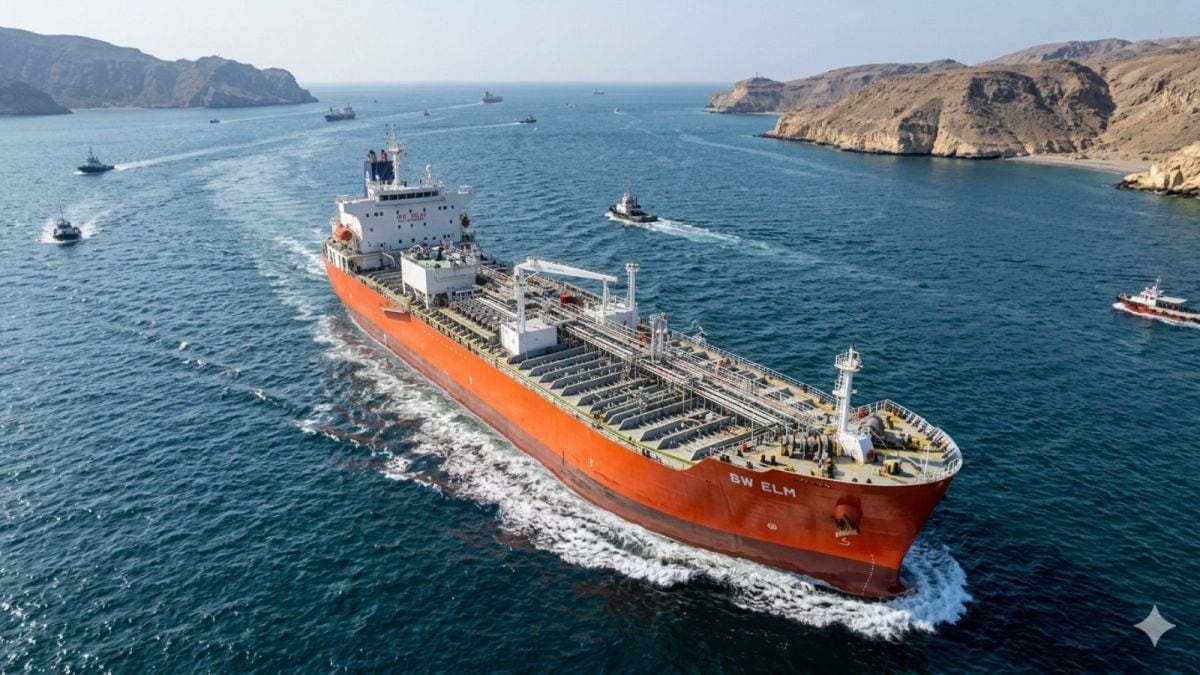
The war has caused daily transits through the Strait of Hormuz to fall by 90-95%, trapping hundreds of tankers in the Persian Gulf. The U.S. Postal Service has announced its first-ever fuel surcharge in response to the crisis.
Shipping Crisis
The dramatic reduction in shipping through one of the world's most critical oil chokepoints has created severe supply constraints. Daniel Sternoff, an analyst at Energy Aspects, explained what would be needed for shipping to resume: "You need to not have fast-moving pointy bits of metal with explosives bearing down onto you at 2,000 miles an hour."
The shipping disruption has affected not just oil and gas, but a wide range of goods that typically transit through the region.
Inflation Concerns
The sharp rise in diesel prices is particularly concerning for supply chains, as diesel powers most freight transportation. Economists warn that the increased transportation costs will likely feed through to consumer prices, potentially reigniting inflation just as many economies were seeing price pressures ease.
European Financial Impact
Eurozone borrowing costs have soared on fears of the fiscal impact of the war, with government bonds facing one of their worst months in a decade. The financial stress reflects concerns about both the direct costs of the conflict and its broader economic consequences.
Outlook
Economists warn that if the conflict continues, the global economy could face a significant slowdown. The combination of higher energy costs, supply chain disruptions, and financial market volatility creates a challenging environment for businesses and policymakers alike.
Source: Associated Press