'I Am Now the Boss of My Pain': Northern Ireland Woman's Remarkable Journey from Chronic Illness to Empowerment
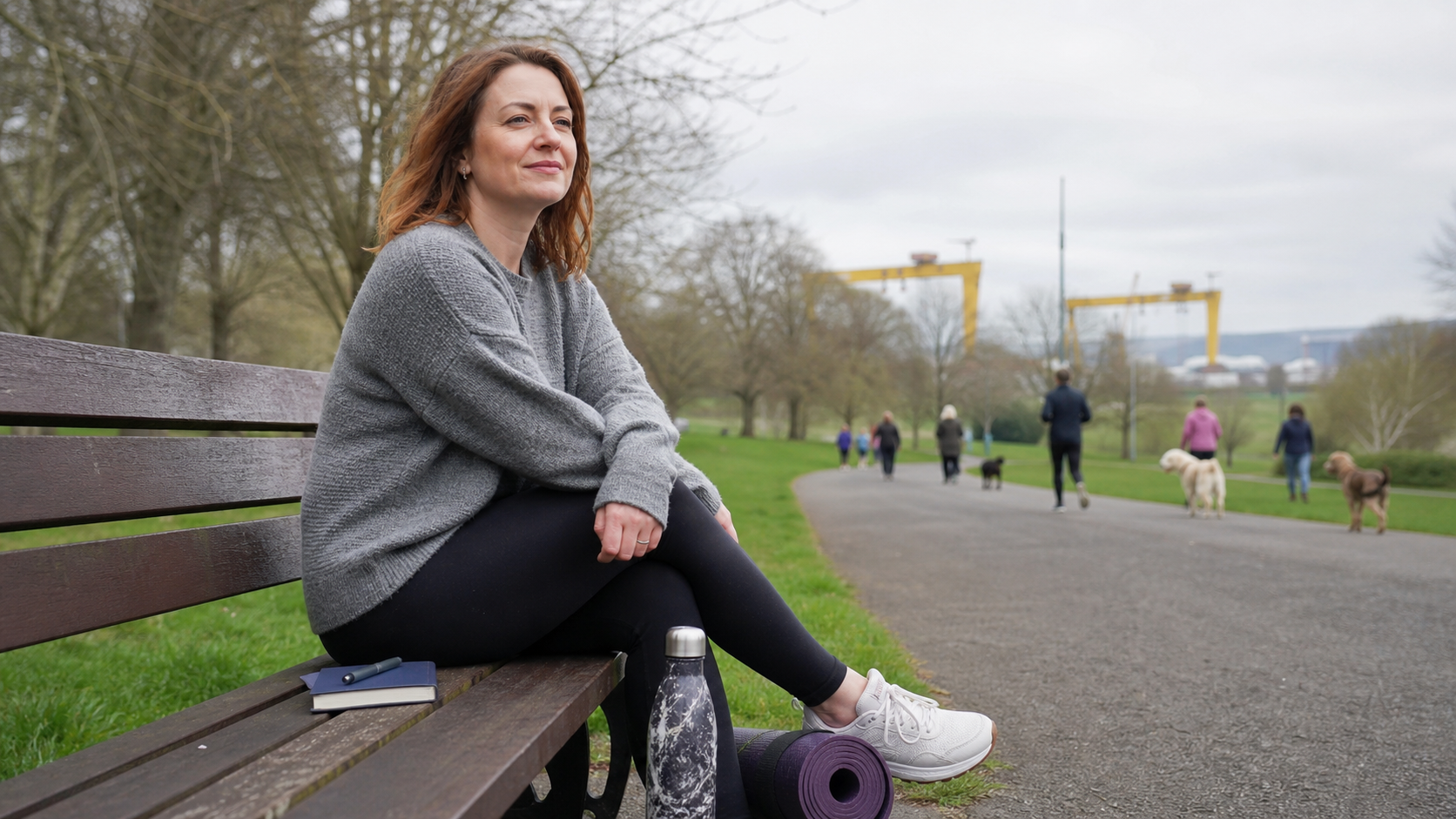
A Northern Ireland woman who spent years feeling entirely controlled by debilitating chronic pain has spoken publicly about her journey to reclaiming her life, describing a transformation that came not through a single medical breakthrough but through a combination of pain management techniques, psychological support, and the discovery of a community of people who understood what she was going through. Her story has resonated widely and is being used by patient advocates to highlight the severe shortage of specialist pain services in Northern Ireland.
Background
Chronic pain — defined as persistent pain lasting more than three months — affects an estimated one in four adults in the United Kingdom, making it one of the most prevalent and costly health conditions in the country. In Northern Ireland, the situation is particularly acute: the region has the longest waiting lists in the UK across virtually every specialty, and pain management services are no exception. Patients can wait years for a referral to a specialist pain clinic, and in the interim they are often left to manage their condition with limited support.
The traditional medical model of chronic pain — which focused primarily on identifying and treating an underlying physical cause — has been increasingly challenged by research showing that chronic pain is a complex biopsychosocial phenomenon that cannot be adequately addressed through medication alone. The National Institute for Health and Care Excellence updated its guidance in 2021 to recommend non-pharmacological approaches, including exercise, psychological therapies, and acupuncture, as first-line treatments for chronic primary pain. But implementing those recommendations requires investment in multidisciplinary pain services that Northern Ireland has been slow to provide.
The British Pain Society has been working to embed the lived experience of patients into its research and advocacy, recognising that the voices of those who live with chronic pain are essential to designing services that actually meet their needs. It is in that context that stories like the one shared this week carry particular weight.
Key Developments
The woman, who has chosen not to be named publicly, described years of feeling that her pain was in complete control of her life — dictating what she could do, where she could go, and who she could be. "There were days when I couldn't get out of bed, days when I couldn't see any future," she said. "The pain wasn't just physical. It took everything."
The turning point came when she was referred to a multidisciplinary pain management programme that combined physiotherapy, cognitive behavioural therapy, and group sessions with other people living with chronic pain. "Meeting other people who understood — who didn't need me to explain or justify — was transformative," she said. "And learning that I could change my relationship with the pain, even if I couldn't make it go away, changed everything."
She is now an advocate for better pain services in Northern Ireland and has been working with patient groups to press the Department of Health for increased investment in multidisciplinary pain clinics. "I am now the boss of my pain," she said. "It no longer controls me. But I had to fight to get the support that made that possible, and not everyone has the energy or the resources to fight."
Why It Matters
Northern Ireland's pain services have been identified as a significant gap in the region's healthcare provision. A 2025 gap analysis of UK pain services found that Northern Ireland lagged behind England, Scotland, and Wales in the availability of specialist pain clinics and multidisciplinary pain management programmes. The waiting times for referral to a pain specialist in Northern Ireland can exceed two years in some health trust areas — a period during which patients are often left on opioid medications that carry significant risks of dependence and that the evidence suggests are ineffective for chronic primary pain.
The new Health Minister, Robbie Butler, has inherited a department under enormous pressure, and pain services are unlikely to be at the top of his immediate agenda. But patient advocates argue that the cost of inaction — in terms of human suffering, lost productivity, and the downstream costs of opioid dependence — is far greater than the cost of investing in proper multidisciplinary services.
Local Impact
Across Northern Ireland's five health trust areas — Belfast, South Eastern, Southern, Northern, and Western — the picture is broadly similar: long waits, limited access to psychological support, and a heavy reliance on medication as the primary management tool. In rural areas served by the Western and Northern trusts, the situation is compounded by geography, with patients facing long journeys to access even the limited services that exist. Community pharmacists have been identified as a potential resource for supporting patients in the interim, but they require additional training and resources to fulfil that role effectively.
What's Next
Patient advocacy groups are planning to present a formal submission to the Department of Health in the autumn, calling for a dedicated chronic pain strategy for Northern Ireland. The submission will draw on the experiences of patients across the region and will include specific recommendations for investment in multidisciplinary pain clinics, training for GPs in pain management, and the development of community-based support networks. The British Pain Society has offered to provide technical support for the submission.