HSE Faces Significant Year-End Deficit as Spending Overrun Reaches €700m, PAC Hears
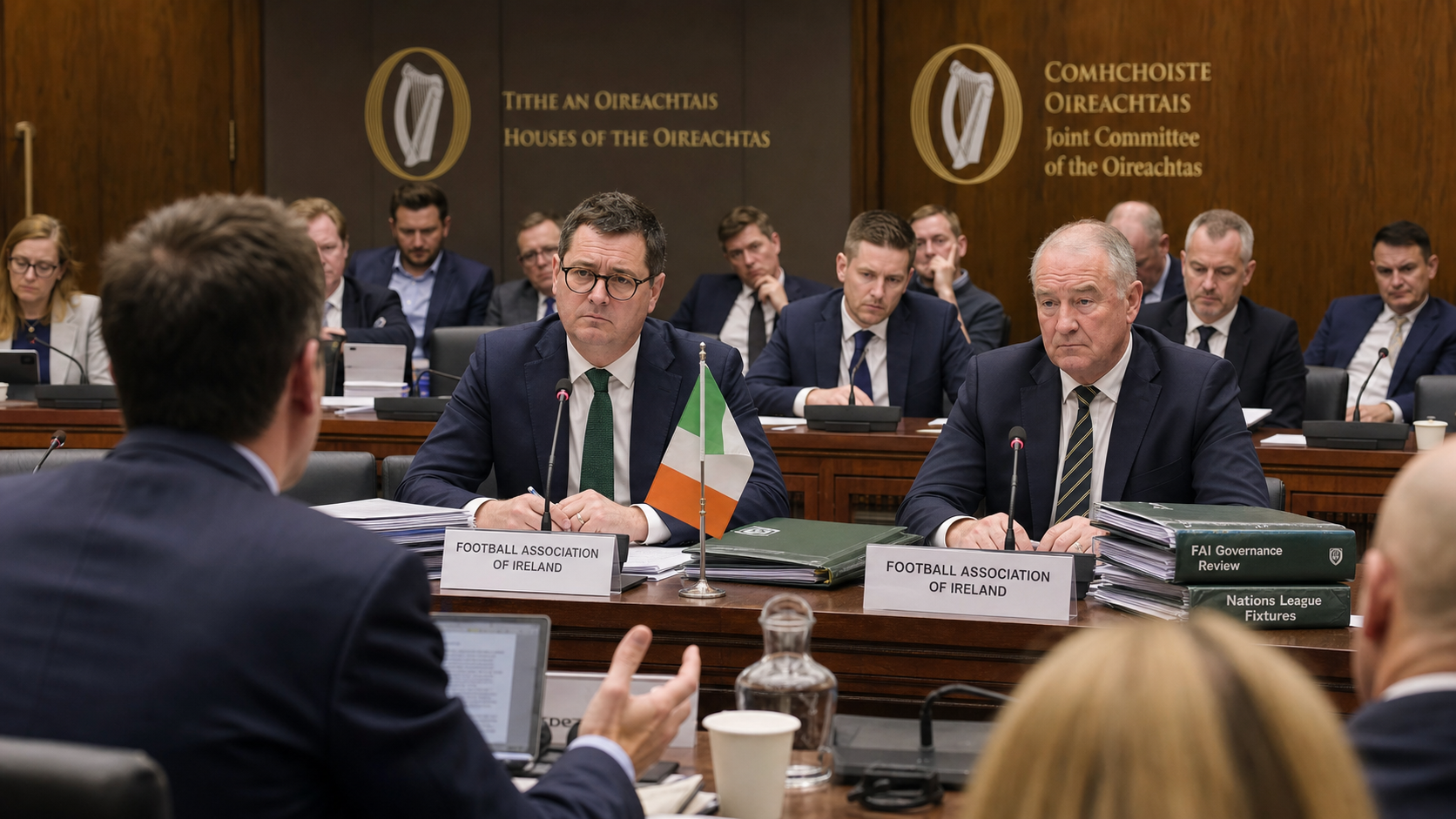
The Health Service Executive is expected to warn the Dail Public Accounts Committee on Thursday that the health service faces a significant deficit by the end of 2026, with spending already over budget by approximately €700 million by late August, as the committee prepares to scrutinise a reported €1 billion deficit in the HSE's 2025 financial statements and examine concerns about the appointment of doctors without adequate language proficiency checks and consultants earning up to €910,000 annually.
Background
The HSE's financial difficulties are not new, but the scale of the current overrun is exceptional. The health service has been operating under enhanced spending controls since earlier in 2026, following reports that expenditure was running significantly ahead of budget. Minister for Health Jennifer Carroll MacNeill introduced stricter recruitment oversight in specific regions and a requirement for the HSE chief executive to personally authorise any non-clinical expenditure exceeding €5,000 — measures that reflect the seriousness with which the Department of Health views the situation.
The Public Accounts Committee is the Dail committee responsible for scrutinising the financial management of public bodies, and its examination of the HSE is one of the most significant accountability exercises in the Irish parliamentary calendar. The committee has a track record of asking searching questions about value for money, procurement practices, and the management of public funds, and Thursday's hearing is expected to be no exception.
The context of the hearing is particularly charged. Budget 2027 is being finalised against a backdrop of severe pressure on public finances, with the HSE's projected deficit adding to a broader picture of public spending overruns that the government is struggling to contain. The Central Bank has warned against measures that could fuel inflation, and the government is acutely aware that any additional funding for the HSE will need to be offset elsewhere.
Key Developments
The HSE is expected to tell the committee that by the end of July 2026, the service was over budget by nearly €580 million, a figure that reportedly rose to approximately €700 million by late August. The HSE has characterised this as a structural issue, highlighting a persistent gap between funded service levels and the actual costs required to meet workforce and activity demands. The 2025 financial statements show a reported deficit of €1 billion, though the HSE has clarified that the underlying deficit incurred specifically during 2025 was approximately €240 million, with the remainder representing a prior year deficit brought forward.
The committee is also expected to examine an internal HSE audit that identified potential patient safety and reputational risks regarding the appointment of doctors from outside the European Union. The audit warns that some hospitals have been appointing these doctors without obtaining adequate assurances regarding their English language proficiency or necessary police clearance — a finding that has significant implications for patient safety and for the HSE's duty of care to the public.
A further area of scrutiny will be the remuneration of medical consultants. The committee has been informed that eleven medical consultants received remuneration exceeding €500,000 each in 2025, with one consultant earning €910,000 — a significant portion of which was attributed to additional work and overtime. The committee is expected to question the HSE about the governance arrangements around consultant pay and the extent to which such levels of remuneration represent value for money.
Why It Matters
The HSE's financial difficulties have direct consequences for patients and for the sustainability of the health service. When the HSE overspends its budget, the response is typically a combination of recruitment freezes, reduced agency staff usage, and deferred capital investment — all of which have negative implications for service quality and waiting times. The structural nature of the deficit, as characterised by the HSE itself, suggests that the problem cannot be resolved through short-term spending controls alone, and that a more fundamental review of how the health service is funded and managed may be necessary.
The concerns about the appointment of doctors without adequate language proficiency checks are particularly serious. Patient safety depends on clear communication between clinicians and patients, and the appointment of doctors who cannot communicate effectively in English — or in Irish, in Gaeltacht areas — represents a genuine risk. The HSE's internal audit has identified this as a problem; the question is what action has been taken to address it and whether that action has been sufficient.
Local Impact
The HSE's financial difficulties are felt across all of its hospital groups and community health organisations, but the impact is particularly acute in areas where services are already under the greatest strain. In the Saolta University Health Care Group, which covers the west of Ireland including Galway, Mayo, Roscommon, Sligo, and Donegal, waiting lists for elective procedures are among the longest in the country. In the Ireland East Hospital Group, which includes St Vincent's University Hospital in Dublin and Wexford General Hospital, the combination of high demand and constrained resources has led to repeated emergency department overcrowding. The HSE's community health organisations, which provide primary and community care services across the country, have also been affected by the spending controls, with some services experiencing delays in the recruitment of community nurses and therapists.
What's Next
Thursday's PAC hearing is expected to last several hours, with the HSE chief executive and senior financial officers facing detailed questioning from committee members. The committee is expected to publish a report on its findings within six weeks of the hearing. The government is expected to address the HSE's financial situation as part of Budget 2027, with additional funding likely to be provided alongside enhanced accountability measures. The HSE has indicated that it will publish a revised financial plan for the remainder of 2026 in October, setting out the steps it intends to take to reduce the projected year-end deficit.