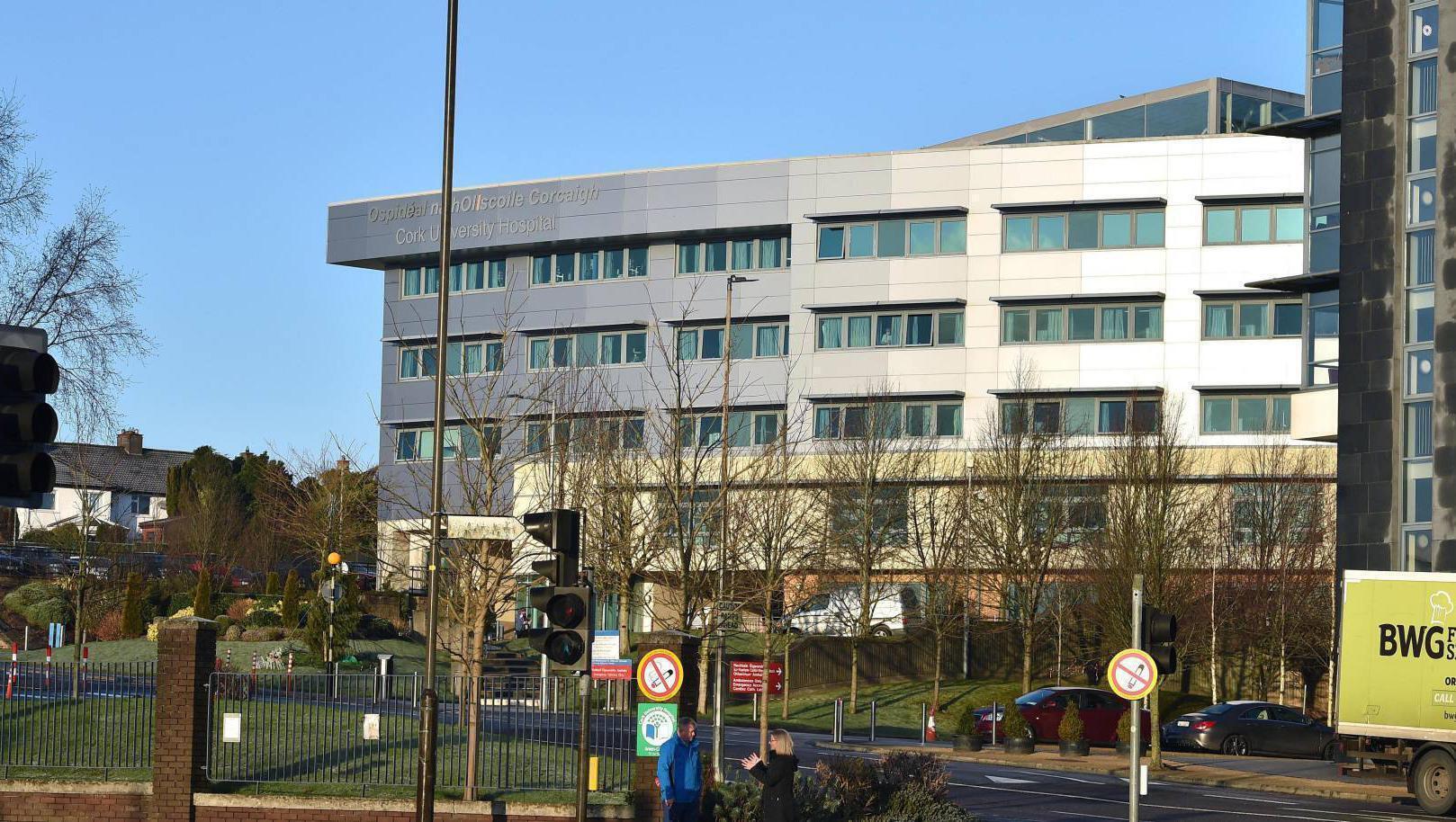
HSE Freezes Recruitment and Slashes Overtime as €250 Million Budget Overrun Threatens Irish Health Services
Ireland's Health Service Executive has ordered an immediate freeze on recruitment for non-frontline roles and instructed all health regions to sharply reduce spending on overtime and agency staff, after a €250 million budget overrun in the first months of 2026 raised serious questions about the financial sustainability of the Irish health service and prompted warnings from health unions that the measures could further damage already strained services.Background
The HSE has been operating under significant financial pressure for several years, a situation rooted in a combination of structural underfunding, demographic change, and the legacy costs of the COVID-19 pandemic. Ireland's population is growing and ageing, creating increasing demand for health services at a time when the health workforce is under severe strain. The HSE employs approximately 130,000 people — the largest employer in the state — and its annual budget exceeds €25 billion, making it one of the most significant items of public expenditure in Ireland.
The organisation has been attempting to implement a series of structural reforms, including the transition to a new regional health area model that was announced in 2022 and has been gradually rolled out since. The reforms are designed to bring decision-making closer to local communities and to improve coordination between hospital and community services. However, the transition has been complex and costly, and has absorbed management time and resources that might otherwise have been directed at improving frontline services.
The HSE's financial difficulties have been compounded by the broader economic environment. The Middle East conflict has driven up energy costs, which represent a significant proportion of the HSE's operating expenses — hospitals are major energy consumers, and the surge in electricity and gas prices has added tens of millions of euros to the organisation's annual costs. The recruitment freeze and overtime cuts are therefore a response not just to internal management failures but to external economic pressures that the HSE cannot control.
Key Developments
The HSE confirmed on 7 May 2026 that it has ordered a pause on recruitment for some non-frontline roles in response to a €250 million budget overrun. All six health regions have been instructed to sharply control spending on overtime and agency staff, which have been identified as the primary drivers of the overrun. The measures are intended to bring the HSE's spending back within its allocated budget for the remainder of 2026.
Health unions have responded with alarm, warning that the recruitment freeze and overtime cuts will further damage services that are already struggling to meet demand. The Irish Nurses and Midwives Organisation (INMO) stated that any reduction in staffing levels or overtime availability would inevitably lead to longer waiting times and reduced quality of care for patients. The INMO has been in dispute with the HSE over pay and conditions for several months, and the announcement of the recruitment freeze has added a new dimension to those tensions.
The €250 million overrun represents approximately 1% of the HSE's total annual budget, but its significance lies in the pattern it represents. The HSE has exceeded its budget in multiple consecutive years, raising questions about whether the organisation's funding model is adequate to meet the demands placed upon it, or whether there are systemic management failures that need to be addressed.
Why It Matters
The HSE's budget overrun and the resulting recruitment freeze matter because they directly affect the quality and availability of healthcare for people across Ireland. The Irish health service is already under severe strain: waiting lists for elective procedures are among the longest in Europe, emergency departments are regularly overcrowded, and the mental health service is chronically underfunded. A recruitment freeze, even if limited to non-frontline roles, risks creating bottlenecks in administrative and support functions that ultimately slow down clinical services.
The timing of the announcement is also significant. The HSE is simultaneously dealing with the warning about ageing radiotherapy machines, the ongoing challenge of reducing waiting lists, and the broader pressures of a growing and ageing population. The €250 million overrun suggests that the HSE's budget, while substantial, is not sufficient to meet all of these demands simultaneously — a conclusion that has significant implications for the government's health spending plans in the next Budget.
Local Impact
For patients across Ireland — in Dublin, Cork, Galway, Limerick, and the regional centres — the HSE's financial difficulties translate directly into longer waiting times, reduced service availability, and increased pressure on frontline staff. In border counties, where patients may access services on both sides of the border, the HSE's difficulties add to the complexity of an already fragmented healthcare landscape. For healthcare workers, the recruitment freeze and overtime cuts represent a further deterioration in working conditions that are already driving significant numbers of Irish-trained nurses, doctors, and allied health professionals to seek employment in Australia, Canada, and the UK.
What's Next
The HSE is expected to publish a detailed financial recovery plan in the coming weeks, setting out how it intends to bring its spending back within budget for the remainder of 2026. The Department of Health will be closely monitoring the situation, and there is likely to be pressure on the government to provide additional emergency funding if the overrun cannot be contained through internal measures. Readers should watch for: the HSE's formal financial recovery plan; any announcement of additional government funding; and the response from health unions to the recruitment freeze and overtime cuts.
Sources: RTÉ News — HSE recruitment freeze; The Irish Times — Irish health news