Taoiseach Calls for Ireland to Seriously Examine Nuclear Power as Energy Debate Intensifies
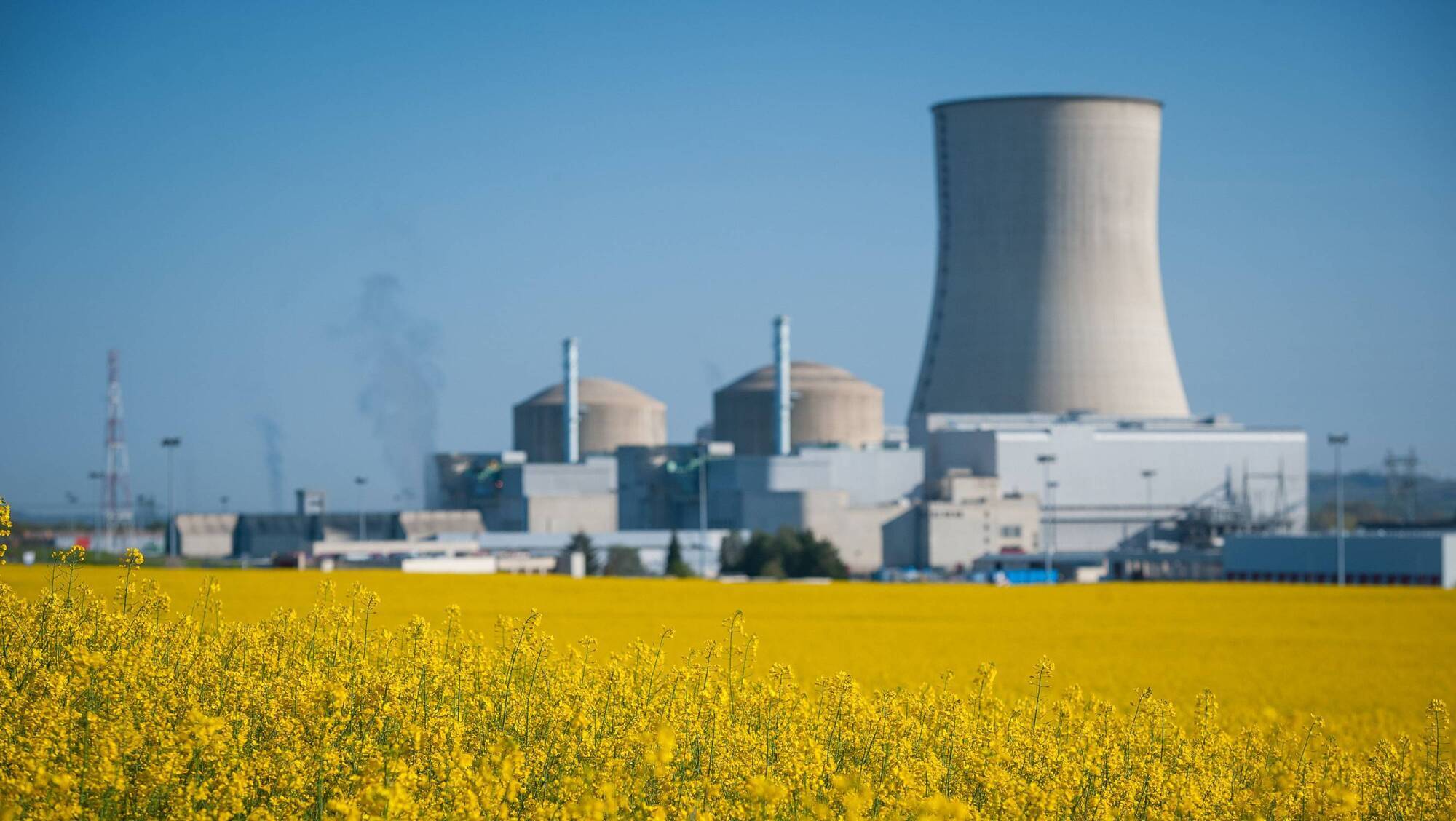
Taoiseach Micheal Martin has called for Ireland to seriously examine the option of nuclear power to reduce the country's dependence on fossil fuels, citing advances in small modular reactor technology — a statement that has reignited one of the most contentious debates in Irish energy policy and put him at odds with the Green Party, his coalition partner.
Background
Ireland has been legally prohibited from developing nuclear power since the Electricity Regulation Act of 1999, which banned nuclear fission as a source of electricity generation. The prohibition reflected the strong public opposition that had defeated a proposal for a nuclear power plant at Carnsore Point in County Wexford in the 1970s — a campaign that became a defining moment for the Irish environmental movement and shaped energy policy for a generation.
Despite the ban on domestic generation, Ireland has been importing nuclear-generated electricity through interconnectors with the UK since 2001, and is expected to increase access to imported nuclear power from France via the Celtic Interconnector by 2028. This apparent inconsistency — prohibiting domestic nuclear generation while importing nuclear electricity — has been noted by advocates of lifting the ban.
The energy security context has changed dramatically in recent years. Russia's invasion of Ukraine in 2022 exposed the vulnerability of European countries dependent on Russian gas, and the current conflict in the Strait of Hormuz has created a fresh energy shock. Ireland, which has made significant progress in onshore wind generation and is developing offshore wind capacity, nonetheless remains heavily dependent on imported fossil fuels for electricity generation and heating.
Key Developments
Martin made his remarks while attending the European Political Community summit in Yerevan, Armenia, on 4 May 2026. He emphasised the need to explore all avenues for energy, noting the historical volatility and energy insecurity stemming from Ireland's dependence on imported fossil fuels over the past five decades. He specifically highlighted advances in small modular reactor technology, which he suggested have reduced the time and cost barriers previously associated with building nuclear power plants.
Fianna Fail TD James O'Connor has tabled legislation — the Electricity Regulation (Removal of Nuclear Fission Prohibitions) Bill 2026 — which aims to end the current ban on developing nuclear power in the State. The bill is slated for debate in the Dail in the coming months. Public Expenditure Minister Jack Chambers has called for a policy debate on lifting the prohibition, and Tanaiste Simon Harris has expressed no ideological opposition to exploring nuclear energy.
Green Party leader Roderic O'Gorman has voiced strong opposition, arguing that nuclear power is a distraction from the immediate need to accelerate offshore wind power development. He contended that nuclear power would be incredibly expensive and would not provide cheaper energy for Irish households for at least 15 years. Former Green Party leader Eamon Ryan, writing in the Irish Times in April, had already broken with his party's traditional position by arguing that Ireland's future energy needs should be met by renewables and nuclear.
Why It Matters
The nuclear debate in Ireland matters because it goes to the heart of how the country will power itself in the decades ahead. Ireland's electricity demand is growing rapidly, driven by data centres, electric vehicles, and the electrification of heating. The country's offshore wind resources are enormous, but developing them takes time and faces planning and grid connection challenges. Small modular reactors, which are smaller and faster to build than conventional nuclear plants, could in theory provide a reliable, low-carbon baseload that complements intermittent renewable generation.
The political dynamics are also significant. The Taoiseach's willingness to break with the traditional consensus on nuclear power — and to do so publicly, at a European summit — signals that the debate has moved from the fringes to the mainstream of Irish politics. Unlike Scotland, which has consistently opposed nuclear power, or England, which is actively building new nuclear capacity at Hinkley Point C, Ireland has until now maintained a firm prohibition. That consensus is now under serious challenge for the first time in a generation.
Local Impact
The nuclear debate has direct implications for energy consumers across the island of Ireland. Electricity prices in Ireland are among the highest in Europe, and the prospect of a new, reliable source of low-carbon generation is attractive to households and businesses struggling with high energy costs. In Northern Ireland, which is part of the all-island Single Electricity Market, any change in the Republic's energy mix would have implications for electricity prices and security of supply across the border. The debate is being followed closely by business groups, environmental organisations, and community groups across the island.
What's Next
The Electricity Regulation (Removal of Nuclear Fission Prohibitions) Bill 2026 is expected to be debated in the Dail in the coming months. The government has not yet committed to a formal policy review of the nuclear prohibition, but the Taoiseach's public comments make such a review increasingly likely. The Green Party's opposition means that any change in coalition policy would require significant negotiation. Public consultation on Ireland's long-term energy strategy is expected to be launched later this year.
Sources: Irish Times — Taoiseach on nuclear power; RTE News — Nuclear energy laws