National Children's Hospital Faces Fresh Delays as Floors, Doors and Leaks Halt Progress
The long-awaited completion of the National Children's Hospital (NCH) has been pushed back yet again, with the Dáil's Public Accounts Committee (PAC) hearing a litany of construction failures, including faulty floors, non-compliant doors, persistent water leaks, and dust contamination, that have brought progress on the troubled project to a virtual standstill. The chief officer of the National Paediatric Hospital Development Board (NPHDB), David Gunning, has laid the blame squarely at the feet of the main contractor, Bam, accusing them of failing to provide sufficient staff and resources to complete the job. The litany of failures was compounded by a shocking admission from the CEO of Children's Health Ireland regarding a payment sought from a contractor for a staff Christmas party.Background
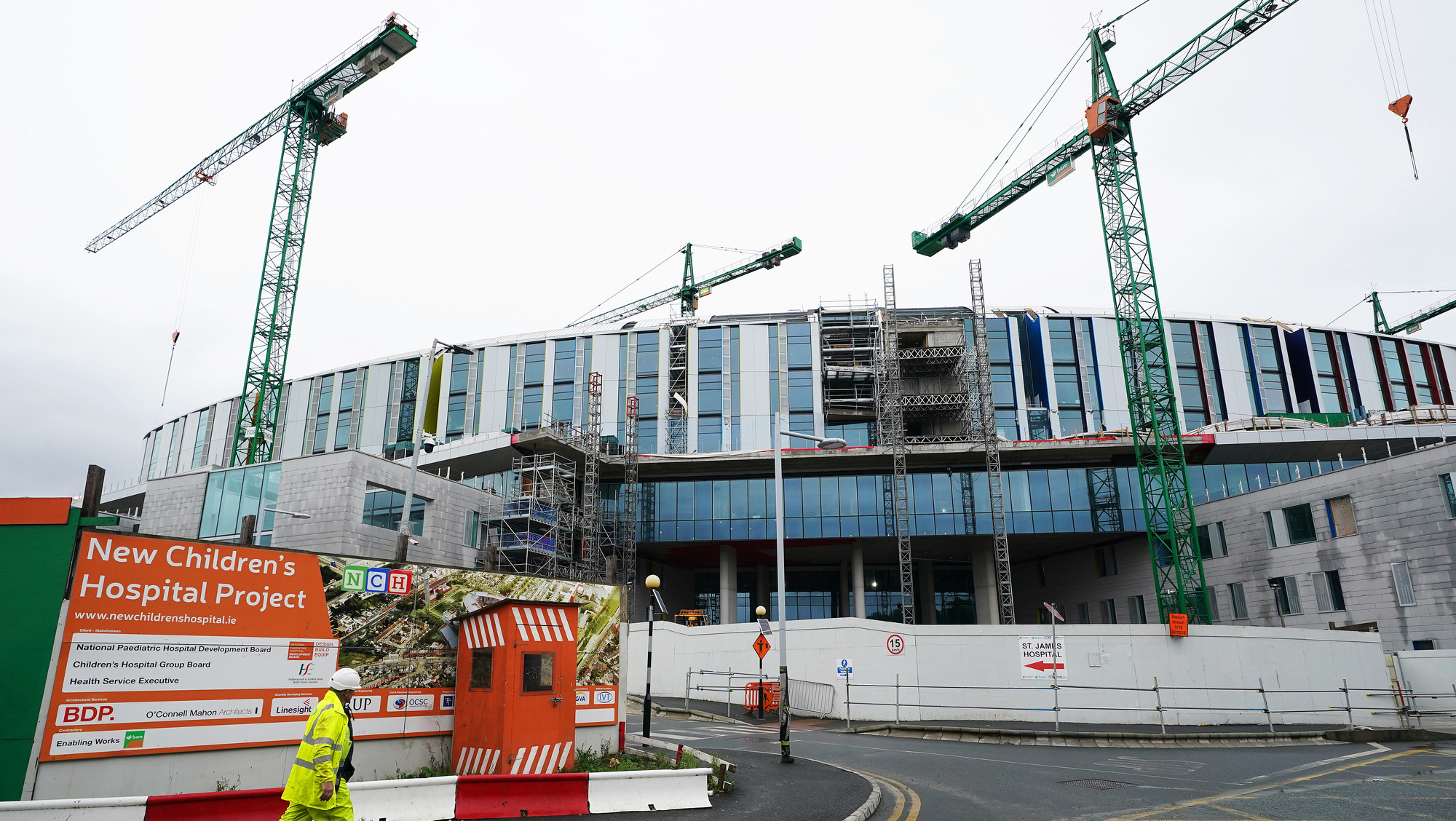
The new National Children's Hospital, located on the St James's Hospital campus in Dublin, is set to be one of the most significant and expensive capital projects in the history of the Irish state. It is designed to be a world-class facility, bringing together the services of the three existing Dublin children's hospitals — Temple Street, Crumlin, and Tallaght — into a single, state-of-the-art building. The project has been heralded as a once-in-a-generation opportunity to transform paediatric care in Ireland.
However, from its inception, the project has been mired in controversy. The initial decision on its location was contentious, and the project has been plagued by a series of staggering cost overruns that have seen its budget spiral from an initial estimate of around €650 million to a figure now expected to exceed €2 billion. The timeline for its completion has been repeatedly pushed back, leading to immense frustration for patients, families, and staff who are currently working in ageing and inadequate facilities.
The relationship between the NPHDB, the state body overseeing the project, and the main contractor, Bam, has become increasingly acrimonious, with both sides publicly blaming each other for the delays and cost increases. The project has become a symbol of the state's apparent inability to manage large-scale infrastructure projects effectively, and each new revelation of failure adds to the public's sense of exasperation.
Key Developments
The latest hearing of the Public Accounts Committee has laid bare the shocking state of the project. David Gunning informed the committee that a new completion date could not be provided, as the project was beset by a host of serious quality control issues. He revealed that all 15 of the operating theatre floors, which are highly specialised and critical for infection control, need to be completely replaced due to defects. This alone is a major setback that will add significant time and cost to the project.
In addition to the faulty floors, Gunning detailed a catalogue of other problems. Thousands of doors on the site are not compliant with fire safety regulations and will need to be replaced. There have been persistent problems with water leaks, which have caused damage to already completed work. And there are ongoing issues with dust contamination, which poses a serious risk in a hospital environment. Gunning accused Bam of a "lack of performance" and a failure to deploy the necessary resources to rectify these issues and progress the project.
The hearing took an even more dramatic turn when Lucy Nugent, the CEO of Children's Health Ireland (the body that will run the new hospital), was questioned about a separate financial matter. She admitted that CHI had "wrongly" sought a payment of €30,000 from the catering contractor, Aramark, in 2022 to cover the cost of a staff Christmas party. The payment was disguised on an invoice as being for "additional services." The issue only came to light after the Comptroller and Auditor General queried the payment, and the money was subsequently returned. Nugent accepted full responsibility, stating, "The fault is on CHI. We are owning that."
Why It Matters
The latest revelations from the PAC are a devastating blow to public confidence in the NCH project. The litany of construction failures raises serious questions about the quality of the work being carried out and the effectiveness of the oversight mechanisms that are in place. The fact that critical elements like operating theatre floors and fire doors are having to be replaced at this late stage is a shocking indictment of the project management. For the children and families who are desperately waiting for this hospital to open, each new delay is a source of immense frustration and anxiety.
The admission from the CEO of CHI regarding the Christmas party payment is a separate but equally damaging scandal. At a time when the hospital project is costing the taxpayer billions of euros, the idea that the organisation set to run the hospital was attempting to get a contractor to fund its staff party is simply jaw-dropping. It suggests a deeply problematic culture and a shocking lack of judgement at the most senior levels of the organisation. Together, these two stories paint a picture of a project that is in a state of crisis, beset by both technical and ethical failures. It is the third major controversy to engulf the NCH project in as many years, reinforcing the public perception of a project that is out of control.
Local Impact
The ongoing delays have a direct and damaging impact on the communities served by the existing children's hospitals in Dublin. The staff at Temple Street, Crumlin, and Tallaght are working in facilities that are not fit for purpose, and the constant uncertainty about the move to the new hospital is damaging to morale. For families from all over Ireland who have to travel to Dublin for specialist paediatric care, the promise of a new, family-friendly hospital remains a distant dream. The traffic and construction disruption around the St James's campus has also been a major source of frustration for local residents and businesses in the surrounding area.
What's Next
The Public Accounts Committee will continue its investigation into the NCH project, and there will undoubtedly be further calls for accountability. The immediate challenge for the NPHDB is to get a grip on the construction issues and to establish a realistic and credible timeline for the hospital's completion. For CHI, there will need to be a period of serious introspection and a clear demonstration that it has learned the lessons from the Christmas party fiasco. For the taxpayer, the final bill for this troubled project remains a deeply worrying unknown. The Taoiseach has stated there is "no excuse" for the delays, but words alone will do little to reassure the families waiting for this hospital to open.
Sources: The Irish Times | Irish Examiner