"Priced Out": Workers Rally Across Ireland Demanding Action on Cost of Living Crisis
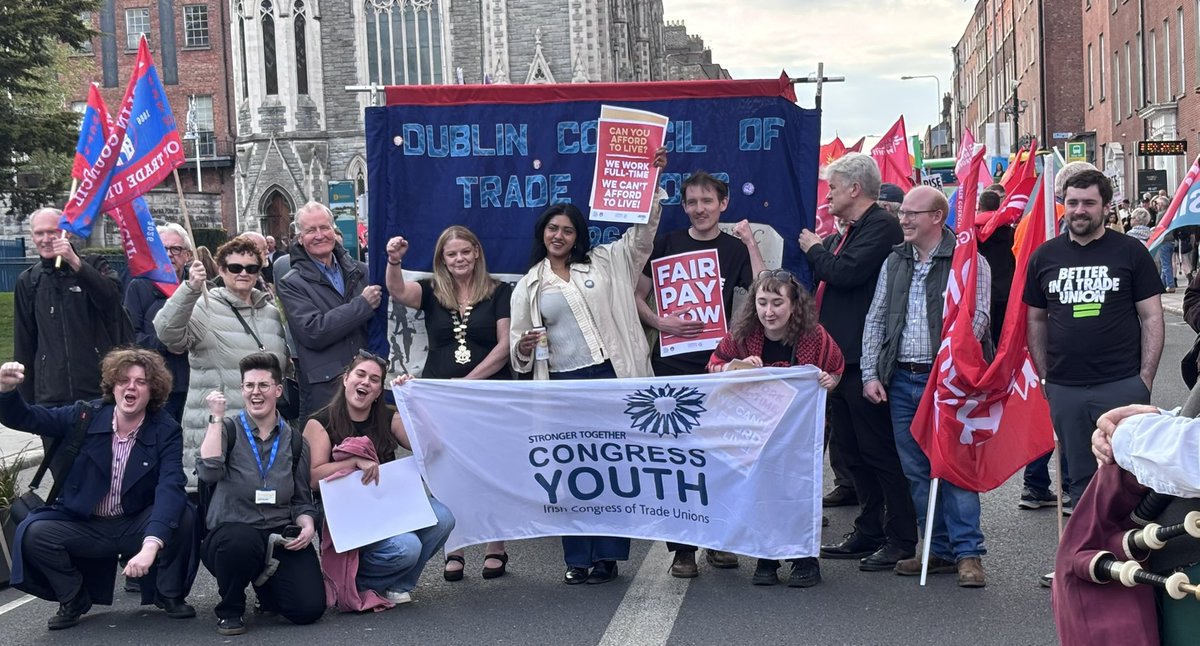
Thousands of workers and their families took to the streets across Ireland for May Day rallies, demanding urgent government intervention in the escalating cost of living crisis. Organised under the powerful theme "Can You Afford to Live?", the Irish Congress of Trade Unions (ICTU) channelled public anger over soaring rents and stagnant wages, with its General Secretary declaring that ordinary people are being "priced out" of their own country.
Background
May 1st, or May Day, is traditionally a day to celebrate workers' rights, but this year's events in Ireland took on a tone of urgent protest. The rallies come after more than two years of relentless financial pressure on Irish households. Inflation, initially driven by global factors, has become embedded in the domestic economy, with the cost of essentials like food, energy, and transport rising far faster than wages. The most acute aspect of the crisis is in the housing market, where record-high rents and a severe shortage of affordable properties have pushed many, particularly the young, into financial despair and housing precarity.
The theme "Can You Afford to Live?" was chosen by unions to encapsulate this widespread struggle. It reflects a growing sentiment that the basic social contract — that a full-time job should provide a decent standard of living — is breaking down. For many, despite working hard, the prospect of renting securely, let alone owning a home, has become an impossible dream. This has led to a surge in emigration among young professionals and a growing sense of hopelessness for those who remain.
Key Developments
The centrepiece of the day's events was the annual May Day rally in Dublin, where union leaders delivered fiery speeches to a large crowd. As reported by RTÉ News, ICTU General Secretary Owen Reidy captured the mood of the nation, stating that workers are being "priced out of the housing market, priced out of the rental market, and effectively priced out of the country." He articulated a clear set of demands on behalf of the union movement, calling for the government to implement policies that ensure wages keep pace with the soaring cost of living.
A key focus of the campaign is the immediate abolition of sub-minimum wage rates for young workers. Unions argue these tiered rates, which allow employers to pay workers under the age of 20 less than the full minimum wage, are discriminatory and exploitative. This position was strongly supported by the National Youth Council of Ireland, which described the practice as unjustifiable "age-based discrimination." The call is for equal pay for equal work, regardless of age.
In other news over the bank holiday period, Gardaí reported a major road safety operation was underway, with over 1,200 drivers detected speeding in the first 48 hours of the initiative. Meanwhile, those attending outdoor rallies and events contended with unsettled weather, as Met Éireann issued a yellow thunderstorm warning for counties Donegal, Leitrim, and Sligo, forecasting a cool and showery weekend for much of the country. Further coverage is available from the ICTU website.
Why It Matters
This year's May Day rallies are more than just a routine protest; they are a barometer of deep-seated social and economic discontent. The "Can You Afford to Live?" slogan has resonated so strongly because it articulates a crisis of affordability that is touching every community in Ireland. The issue strikes at the heart of societal fairness and economic justice. When a growing portion of the working population feels that the system is rigged against them, it erodes social cohesion and trust in political institutions. The government's response to this pressure will be a defining test of its political priorities.
The specific focus on abolishing sub-minimum wages for young people is also significant. It highlights a generational divide and the particular struggles faced by those starting their careers. The argument that these rates are a form of discrimination is gaining traction and puts a moral question to the government and employers. How this issue is resolved will have long-term implications for youth unemployment, emigration, and the principle of equal pay in the Irish workplace.
Local Impact
The impact of this movement is felt directly across Ireland and has parallels in the United Kingdom, which is experiencing its own severe cost of living crisis. In Ireland, the rallies put immense pressure on the coalition government to introduce meaningful interventions in the upcoming budget, such as tax relief for renters, further wage supports, and a more aggressive housing policy. For businesses, it signals that demands for significant pay increases are set to intensify in upcoming negotiations. For ordinary people, it is a moment of solidarity, but also a stark reminder of the daily financial struggles they face. The shared experience of economic hardship across the Irish Sea means that policymakers in both Dublin and London are watching each other's responses closely.
What's Next
Government ministers are expected to formally respond to the demands laid out by the ICTU in mid-May 2026. A government-commissioned report on the efficacy and fairness of sub-minimum wage rates is due to be published in June 2026, which will heavily influence the debate. Unions will begin lodging pay claims for 2027 across public and private sectors during the summer, with inflation-matching increases as their baseline demand. The government will deliver Budget 2027 in October 2026, which will be the ultimate test of whether the calls for action on the cost of living have been heeded.