Coroner Rules Soldiers 'Lost Control' in 1972 Springhill Massacre: Families Demand Apology
A coroner has ruled that two British soldiers “lost control” and used unreasonable and unjustifiable force when they shot dead five unarmed civilians in the Springhill and Westrock areas of west Belfast in July 1972. Following the delivery of the long-awaited inquest findings, the victims' families have demanded a formal apology from the British establishment for the killings and for five decades of hurt.
Background
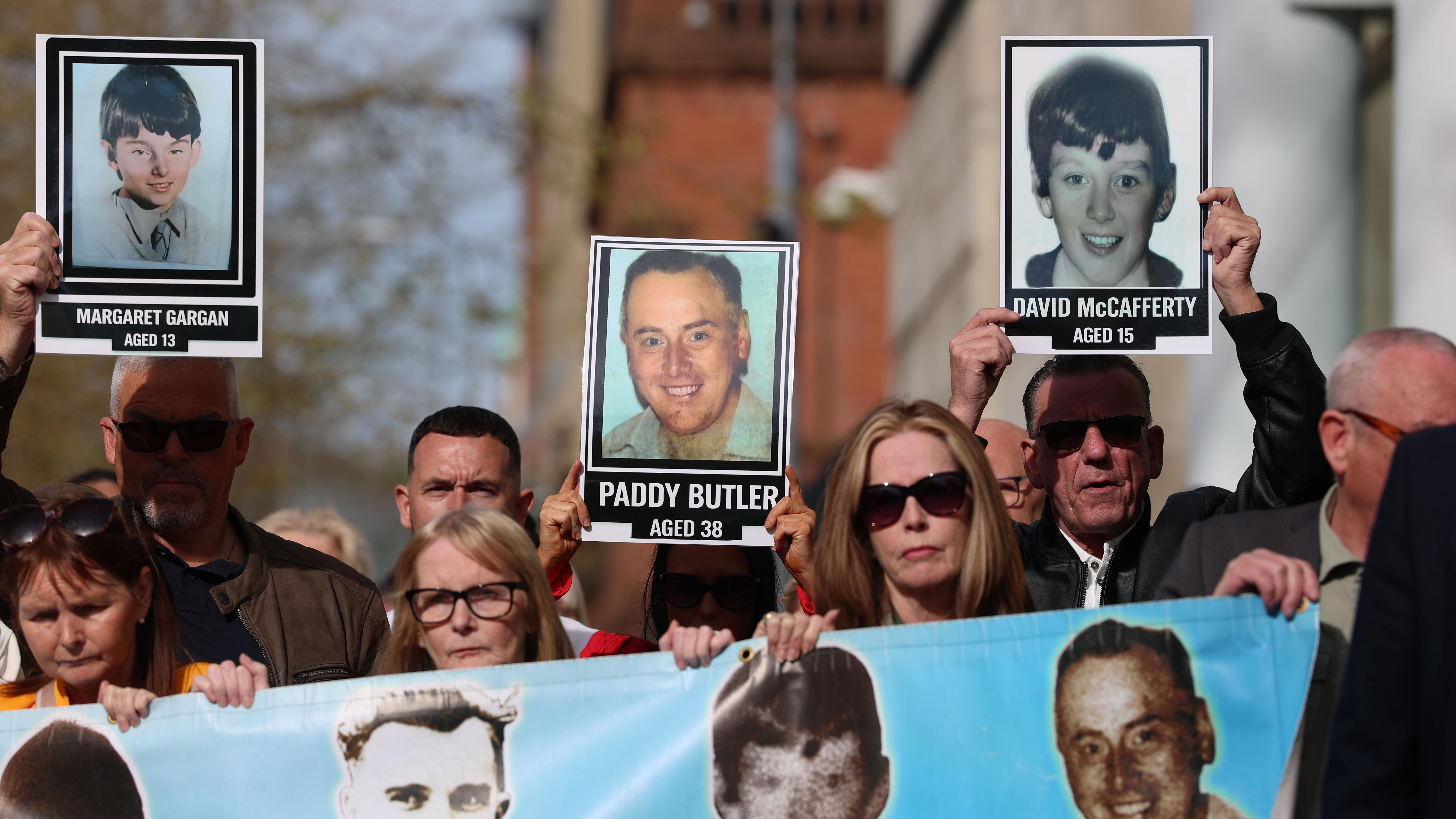
The shootings took place on 9 July 1972, during one of the most violent and turbulent periods of the Northern Ireland Troubles. The five victims were Father Noel Fitzpatrick, a Catholic priest trying to aid the wounded; Paddy Butler, a 38-year-old father-of-six; and three teenagers, Margaret Gargan (13), John Dougal (16), and David McCafferty (15). All were unarmed. For more than 50 years, the official narrative, put forward by the army at the time, was that the soldiers had come under attack from republican gunmen and had returned fire, portraying the victims as either gunmen or bombers caught in the crossfire. The families of the dead have waged a tireless campaign for decades to clear the names of their loved ones and establish the truth of what happened on that day. This inquest is one of a series of legacy inquests, a key component of the Good Friday Agreement's framework for dealing with the unresolved issues of the past.
Key Developments
In a packed courtroom, Coroner Judge Rafferty delivered a damning verdict that systematically dismantled the army's 52-year-old narrative. He found that the five victims were innocent and presented no threat to the soldiers. He ruled that the force used by the two soldiers responsible for the fatal shots was “disproportionate” and “unjustified”. The coroner stated that the soldiers had “lost control” and that their actions were not in keeping with the army's own rules of engagement. The detailed findings vindicated the families' long-held belief that their loved ones were murdered. The verdict was welcomed by politicians from across the nationalist spectrum and by human rights groups who have supported the families' campaign for justice.
Why It Matters
This coroner's ruling is a landmark moment in the painful process of addressing the legacy of the Troubles. It is a profound victory for the families, who have not only endured the grief of losing their loved ones but have also had to live with the slanderous official narrative that wrongly branded them as terrorists. The verdict officially corrects the historical record, providing a measure of truth and vindication that is essential for reconciliation. It demonstrates the crucial importance of the legacy inquest system in providing an independent and effective mechanism for examining contentious state-related deaths. The findings place significant moral pressure on the British government and Ministry of Defence to finally acknowledge the wrongdoing of their soldiers and issue the apology the families have sought for over half a century. This case sets a powerful precedent for other families still fighting for truth and justice.
Local Impact
For the tight-knit communities of Springhill and Westrock in west Belfast, the verdict has lifted a shadow that has hung over the area for more than 50 years. The ruling has been met with a mixture of relief, vindication, and renewed grief. It validates the community's collective memory of the events of that day, which always stood in stark contrast to the official account. For the families, the coroner's words have finally cleared the names of their relatives, a moment of immense emotional significance. While the pain of their loss remains, the public acknowledgement of the truth provides a powerful sense of closure and justice that has been denied to them for generations.
What's Next
The immediate focus of the families and their supporters will be their campaign for a full and unequivocal apology from the British state, from the Ministry of Defence, and from the Parachute Regiment. Legal representatives for the families may also consider civil action following the coroner's findings. The verdict will give renewed impetus to other legacy inquests that are still pending, as it highlights their capacity to deliver truth, however long it may take. The ruling is a stark reminder of the unresolved pain of the past and the ongoing need for robust and independent mechanisms to address it as part of Northern Ireland's journey towards a lasting peace.
Attribution: The Irish News, Belfast Telegraph