Seven Irish Citizens Detained After Israel Intercepts Gaza Aid Flotilla
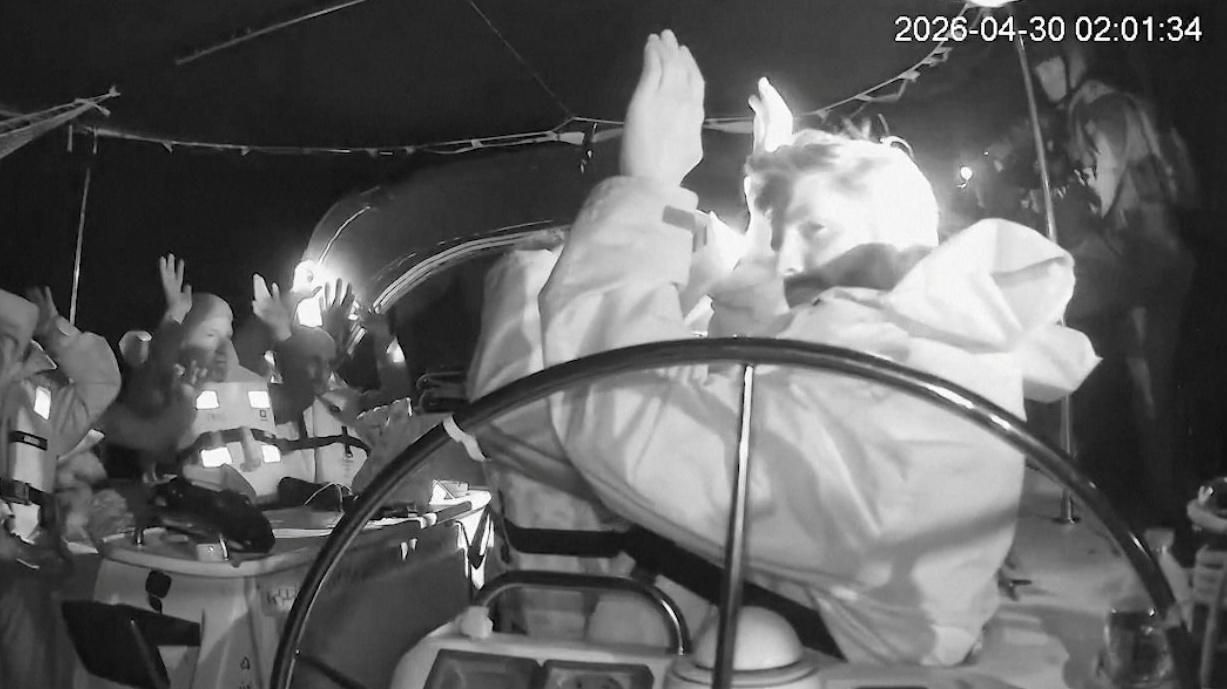
Seven Irish citizens are among 175 activists detained by Israeli forces after a Gaza-bound aid flotilla was intercepted in international waters near Crete on 30 April 2026, in an incident that has prompted urgent diplomatic intervention from Dublin and drawn condemnation from across the political spectrum.
Background
The Gaza Freedom Flotilla movement has sought to challenge Israel's naval blockade of the Gaza Strip through a series of high-profile maritime missions since 2010, when Israeli commandos stormed the Mavi Marmara vessel, killing ten Turkish activists and triggering an international crisis. The blockade, which Israel maintains is necessary to prevent weapons from reaching Hamas, has been widely condemned by humanitarian organisations as a form of collective punishment that has contributed to a severe humanitarian crisis in the territory.
Ireland has been among the most vocal European critics of Israeli policy in Gaza, with the Irish government recognising Palestinian statehood in May 2024 alongside Spain and Norway. This decision, which drew a sharp diplomatic response from Israel, reflected a long-standing tradition of Irish solidarity with the Palestinian cause rooted in the country's own history of colonialism and struggle for self-determination. The presence of Irish citizens on the flotilla is consistent with this tradition of direct action and civil society engagement with the Palestinian issue.
The latest flotilla mission involved vessels carrying humanitarian supplies and activists from multiple countries, with 22 Irish individuals reported to be on board, including Margaret Connolly, the sister of President Catherine Connolly. The mission aimed to break the Israeli naval blockade and deliver aid directly to the people of Gaza, bypassing what organisers described as an inadequate and politically compromised official aid system.
Key Developments
Israeli naval forces intercepted the flotilla in international waters near Crete on 30 April, detaining a total of 175 activists from multiple countries. Seven Irish citizens were among those taken into Israeli custody, with the remaining Irish participants either not detained or released at an earlier stage. The Irish Department of Foreign Affairs confirmed it was providing consular assistance to the detained citizens and had made urgent representations to the Israeli authorities through diplomatic channels.
Flotilla organisers, speaking from outside Israel, demanded the immediate release of all detained activists and condemned the interception as a violation of international maritime law. They described the detained individuals as peaceful humanitarian activists who posed no security threat and were exercising their right to freedom of navigation in international waters. The Israeli government defended the interception as a necessary security measure, with officials characterising the flotilla as a provocation rather than a genuine humanitarian mission.
The Dáil was informed of the detentions on 30 April, with Tánaiste and Foreign Affairs Minister Micheál Martin stating that Ireland had lodged a formal protest with the Israeli ambassador and was working through European Union channels to secure the release of the detained citizens. Several TDs called for stronger action, including the expulsion of the Israeli ambassador, though the government indicated it was pursuing diplomatic rather than punitive measures at this stage.
Why It Matters
The detention of Irish citizens by Israeli forces represents a significant escalation in the diplomatic tensions between Dublin and Tel Aviv that have been building since Ireland's recognition of Palestinian statehood in 2024. Ireland is one of only a handful of EU member states to have taken this step, and the Israeli government has made clear its displeasure with Dublin's stance on the conflict. The detention of Irish nationals, including the sister of the Irish President, will inevitably intensify pressure on the government to take a stronger position.
This incident also raises important questions about the limits of international humanitarian law and the rights of civilian vessels in international waters. The interception of the flotilla in waters near Crete, well outside Israeli territorial waters, has been challenged by legal experts as a potential violation of the United Nations Convention on the Law of the Sea. Unlike the 2010 Mavi Marmara incident, which resulted in fatalities, the current interception appears to have been conducted without violence, but the detention of activists from multiple countries will inevitably attract significant international attention.
For Ireland, the incident is particularly sensitive given the involvement of a close relative of the President. While President Connolly has no formal role in foreign policy, the detention of her sister will inevitably draw the presidency into the diplomatic controversy, adding a personal dimension to what is already a highly charged political situation. The incident is likely to dominate political discourse in Ireland for the coming days and could influence the government's approach to the broader conflict.
Local Impact
For Irish families with relatives on the flotilla, the detentions have caused significant anxiety and distress. The Department of Foreign Affairs has established a dedicated consular team to assist the detained citizens and their families, and has urged those with concerns to contact the department's emergency helpline. The Irish Red Cross and other humanitarian organisations have also offered support to families awaiting news of their loved ones.
The incident has also reignited debate within Irish civil society about the appropriate forms of solidarity with the Palestinian people. Pro-Palestinian groups have called for mass demonstrations outside the Israeli embassy in Dublin, while some commentators have questioned whether direct action of this kind serves the interests of the Palestinian cause or simply provides Israel with a pretext to deflect attention from its military operations in Gaza. The government faces pressure from multiple directions as it seeks to secure the release of the detained citizens while managing the broader diplomatic fallout.
What's Next
The Irish government is expected to continue its diplomatic efforts to secure the release of the seven detained citizens, with the Foreign Affairs Minister due to speak with his Israeli counterpart in the coming hours. The EU's foreign policy chief has also been briefed on the situation and is expected to make a statement. Legal teams representing the detained activists are preparing habeas corpus applications in Israeli courts, and international human rights organisations are monitoring the situation closely.
The detained activists are expected to be held for questioning before being either charged or deported. Previous flotilla participants have typically been deported within 48 to 72 hours of detention, though the process can be extended if Israeli authorities decide to pursue criminal charges. The Irish government has made clear that it expects its citizens to be treated in accordance with international law and to be given access to consular assistance and legal representation.
For more details on the interception and the diplomatic response, see the reports from RTÉ News and BBC News.