Dublin's Oliver Bond Flats Regeneration Scrapped in Decision Branded 'Gut-Wrenching'
Plans to regenerate Dublin's Oliver Bond flats — a ninety-year-old complex in the Liberties that has been plagued by social and structural problems for decades — have been cancelled, in a decision that residents and housing advocates have described as disgusting and gut-wrenching, and that raises profound questions about the state's commitment to social housing renewal in the capital.
Background
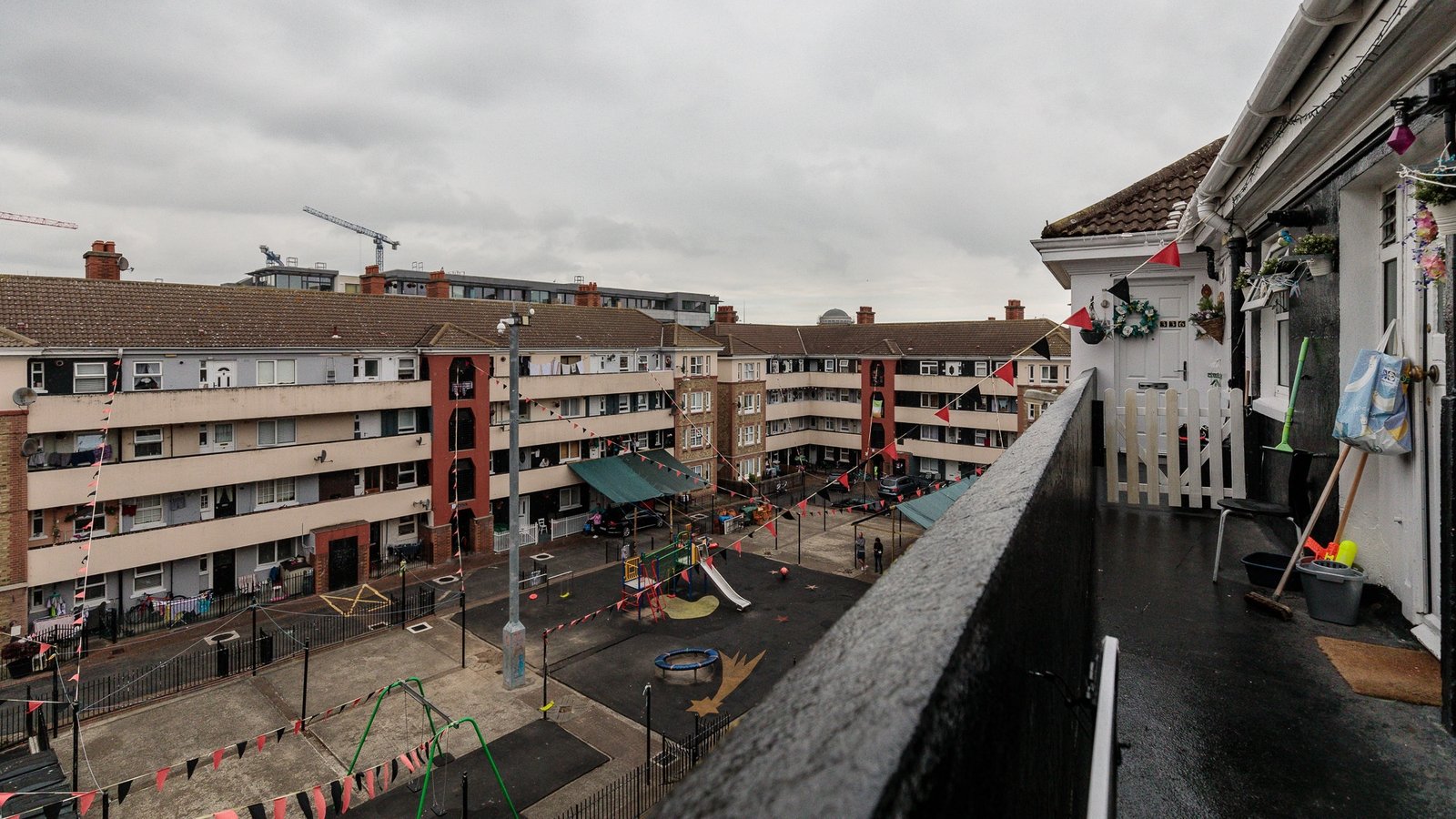
The Oliver Bond flats complex, built in the 1930s as part of Dublin Corporation's ambitious social housing programme, stands in the Liberties area of Dublin 8 — one of the oldest and most historically significant parts of the city. At its peak, the complex housed hundreds of families in a tight-knit community that, despite the physical deterioration of the buildings, maintained strong social bonds and a fierce sense of local identity.
The structural problems at Oliver Bond have been documented for years. The buildings, constructed using methods that are now understood to be inadequate for long-term durability, have required repeated maintenance interventions. Damp, mould, and inadequate insulation have been persistent complaints from residents. The social challenges — concentrated poverty, drug use, and the legacy of decades of underinvestment — have compounded the physical problems, creating conditions that housing experts have consistently described as unacceptable for twenty-first century social housing.
Regeneration plans for Oliver Bond have been discussed, proposed, and revised over many years. The most recent iteration promised a comprehensive redevelopment that would replace the existing buildings with modern, energy-efficient social housing while maintaining the community in situ — a model that has been successfully implemented at other Dublin flat complexes, including St Michael's Estate in Inchicore. The cancellation of those plans represents a significant setback for residents who had been waiting for action.
Key Developments
The Irish Times and The Journal reported on Wednesday that the regeneration project has been scrapped, with residents and housing advocates reacting with fury. The decision has been described as "disgusting and gut-wrenching" by those who have been campaigning for the complex's renewal. No official explanation for the cancellation has been provided, though sources suggest that cost overruns, planning complications, and competing demands on Dublin City Council's capital budget are among the factors involved.
The cancellation comes at a moment when Dublin's housing crisis is at its most acute. The city has the highest rents in the eurozone relative to average incomes, a chronic shortage of social housing, and a planning system that has struggled to deliver the volume of new homes required to meet demand. The scrapping of a major social housing regeneration project — however complex the reasons — sends a damaging signal about the state's capacity to deliver on its housing commitments.
Why It Matters
The Oliver Bond decision matters because it is not an isolated case. It is part of a pattern of social housing regeneration projects that have been announced, delayed, revised, and ultimately cancelled or significantly scaled back. The Dolphin House regeneration in Rialto, the St Teresa's Gardens project in the Liberties, and several other Dublin flat complexes have all experienced similar difficulties. The cumulative effect is a social housing stock that is ageing, deteriorating, and failing to meet the needs of the communities it was built to serve.
For context, Vienna — often cited as the gold standard for social housing in Europe — has maintained a continuous programme of social housing construction and regeneration for over a century, with the result that approximately 60% of the city's population lives in subsidised housing of high quality. Dublin's social housing stock, by contrast, has been allowed to deteriorate while the political focus has shifted to private market solutions. The Oliver Bond cancellation is a symptom of a deeper failure of housing policy.
Local Impact
For the residents of Oliver Bond — many of whom have lived in the complex for decades and whose families have been there for generations — the cancellation is a personal blow as well as a political one. The prospect of regeneration had given residents hope that their living conditions would improve; its removal leaves them facing an uncertain future in buildings that continue to deteriorate. In the broader Liberties area, which has been undergoing significant gentrification driven by tech sector investment, the contrast between the gleaming new offices and the crumbling flat complexes is increasingly stark.
What's Next
Dublin City Council is expected to make a formal statement on the Oliver Bond decision in the coming days. Housing Minister Darragh O'Brien has been asked to respond to the cancellation and to set out what alternative plans, if any, exist for the complex. Housing advocacy groups including Threshold and Focus Ireland have called for an urgent review of the decision and for the government to commit to a new regeneration timeline. Residents have indicated they intend to organise and campaign for a reversal of the decision.
Sources: The Irish Times, Irish Examiner