Government Scraps Oliver Bond Regeneration Plan as Dublin Housing Crisis Deepens
The Department of Housing has withdrawn its support for the long-awaited regeneration of the Oliver Bond flat complex in Dublin's south inner city, dealing a devastating blow to residents who have waited years for the overhaul of one of the capital's largest and most historic local authority housing estates — a decision that has been met with fury by housing advocates and that arrives at a moment when Ireland's housing crisis is showing no signs of abating.Background
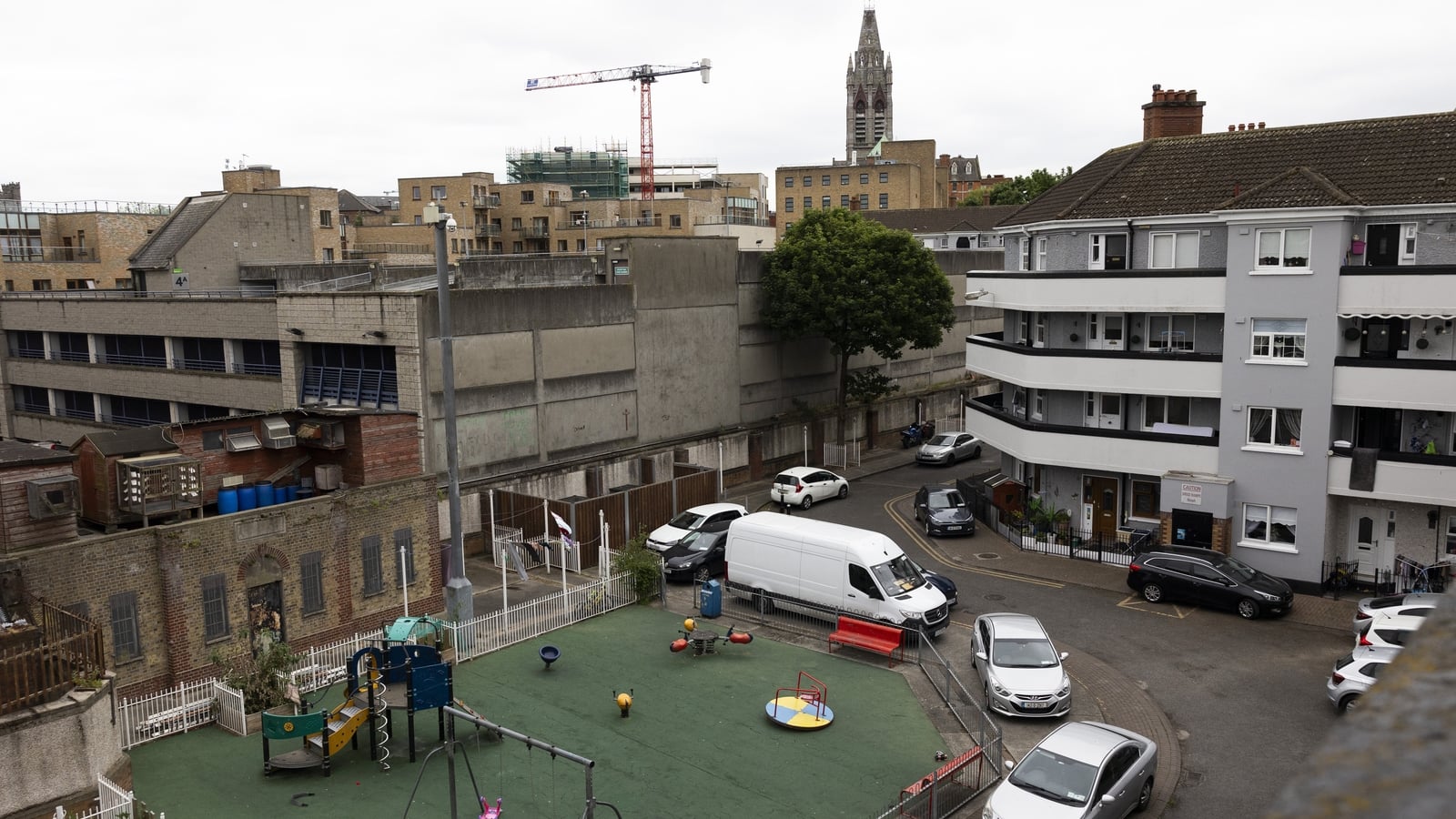
The Oliver Bond flat complex, located in the Liberties area of Dublin's south inner city, is one of the oldest and largest local authority housing estates in the country. Built in the 1930s, the complex comprises hundreds of flats spread across multiple blocks, and has been home to generations of Dublin working-class families. Like many estates of its era, Oliver Bond has suffered from decades of underinvestment, with residents living in flats that are poorly insulated, prone to damp, and lacking the modern amenities that are standard in newer social housing.
Plans for the regeneration of Oliver Bond have been in development for many years, with Dublin City Council and the Department of Housing working on proposals to demolish the existing blocks and replace them with a mix of social, affordable, and private housing. The regeneration was seen as an opportunity not just to improve the physical fabric of the estate but to address the social and economic challenges facing the community — high unemployment, educational disadvantage, and the legacy of decades of neglect.
Ireland's housing crisis has been the defining domestic political issue of the past decade. House prices and rents have risen to levels that are unaffordable for a growing proportion of the population, homelessness has reached record levels, and the supply of new social and affordable housing has consistently fallen short of demand. The government has announced multiple housing plans and targets, but delivery has repeatedly fallen short of what was promised.
Key Developments
The Department of Housing confirmed on 6 May 2026 that it is withdrawing its support for the Oliver Bond regeneration project. The decision has not been accompanied by a detailed explanation of the reasons for the withdrawal, but sources close to the process have indicated that concerns about cost, complexity, and the timeline for delivery were among the factors that led to the decision.
The news has been met with anger and disappointment by residents of the Oliver Bond complex, who have been waiting for years for the regeneration to begin. Housing advocacy groups have described the decision as a betrayal of the community and a further example of the government's failure to deliver on its housing commitments. Dublin City Council has indicated that it will seek to develop an alternative plan for the estate, but acknowledged that any new proposal would take years to develop and implement.
In a separate but related housing story, a Galway developer is being taken to court by the local council for failing to lodge a €1 million bond related to a housing scheme in Barna, highlighting the ongoing challenges of developer compliance and the completion of housing projects across Ireland.
Why It Matters
The scrapping of the Oliver Bond regeneration plan matters because it is symptomatic of a broader failure in Irish housing policy. Ireland has been talking about regenerating its oldest and most deprived local authority housing estates for decades, but the gap between aspiration and delivery has been consistently wide. The Oliver Bond decision is the latest in a series of regeneration projects that have been delayed, scaled back, or abandoned — a pattern that reflects the difficulty of delivering complex, large-scale housing projects within the constraints of public sector procurement and funding.
For the residents of Oliver Bond, the decision is not merely a policy disappointment — it is a lived reality of continued substandard housing conditions. Many of the flats in the complex are in poor condition, with residents dealing with damp, cold, and inadequate facilities. The withdrawal of the regeneration plan means that these conditions will persist for the foreseeable future, with no clear timeline for improvement. This is the third major regeneration project in Dublin's inner city to be significantly delayed or abandoned in the past five years, a pattern that suggests systemic failures in the planning and delivery of social housing regeneration.
Local Impact
For the residents of the Oliver Bond complex and the wider Liberties community, the scrapping of the regeneration plan is a profound disappointment. The Liberties is one of Dublin's oldest and most historically significant neighbourhoods, and its residents have long felt that the area has been neglected in favour of more affluent parts of the city. The decision will add to the sense of marginalisation felt by many in the community and will fuel demands for a clear alternative plan from Dublin City Council and the Department of Housing. For housing advocates across Ireland, the Oliver Bond decision is a reminder that the housing crisis is not just about the supply of new homes — it is also about the quality and condition of the existing social housing stock.
What's Next
Dublin City Council has indicated that it will develop an alternative plan for the Oliver Bond complex, but has not provided a timeline. The Department of Housing is expected to face questions in the Dáil about the decision in the coming days. Readers should watch for: any announcement of an alternative regeneration plan from Dublin City Council; the government's response to criticism of the decision; and whether the scrapping of the Oliver Bond plan prompts a broader review of the government's social housing regeneration programme.
Sources: The Irish Times — Oliver Bond regeneration scrapped; RTÉ News — Irish housing news