Harland and Wolff Wins Royal Navy Contract in Belfast Comeback
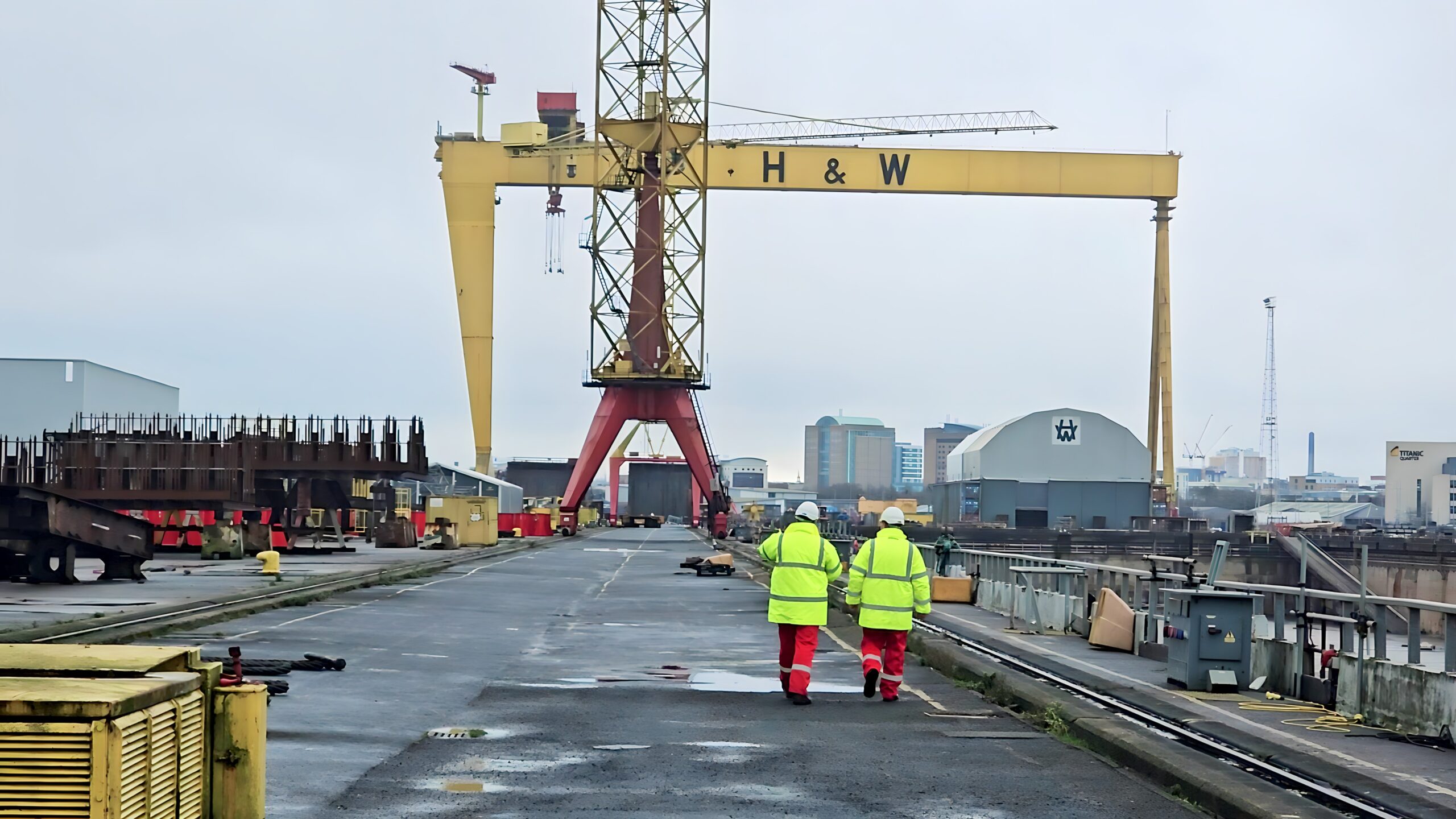
Harland and Wolff's iconic Belfast shipyard has secured a significant contract with the Royal Navy, marking a major milestone in the historic yard's ongoing revival and bringing hundreds of skilled jobs to the city's waterfront. The contract, the details of which are subject to commercial confidentiality, involves the construction and maintenance of naval vessels and is expected to sustain employment at the yard for several years.
The announcement has been welcomed by politicians and trade unions across Northern Ireland, who see it as a vindication of the decision to rescue the yard from administration in 2019 and as evidence that Belfast's shipbuilding heritage can be the foundation for a modern, sustainable industrial future.
A Historic Yard Reborn
Harland and Wolff's Belfast yard is one of the most famous industrial sites in the world. Founded in 1861, the yard was responsible for building some of the most celebrated ships in history, including the RMS Titanic, the RMS Olympic, and the RMS Britannic. At its peak in the early 20th century, the yard employed more than 35,000 workers and was the largest shipyard in the world.
The decline of the British shipbuilding industry in the latter half of the 20th century hit Belfast hard, and by the time the yard entered administration in 2019, it employed fewer than 200 people. The rescue of the yard by InfraStrata — which later rebranded as Harland and Wolff — was seen as a lifeline for the site and for the communities that had grown up around it.
Since then, the company has worked to rebuild the yard's capabilities and win new contracts, with a particular focus on the offshore energy and defence sectors. The Royal Navy contract represents the most significant piece of defence work the yard has secured in decades and is seen as a major step in its transformation into a modern, diversified industrial facility.
Jobs and Skills
The contract is expected to create and sustain several hundred jobs at the Belfast yard, with a mix of direct employment and work for the supply chain. The company has indicated that it will need to recruit and train a significant number of skilled workers, including welders, engineers, and project managers, and has been working with local colleges and training providers to develop the necessary pipeline of talent.
Trade unions have welcomed the announcement but have called on the company to ensure that the new jobs are well-paid and offer genuine career development opportunities. Unite the Union's regional officer for Northern Ireland said that the contract was good news for Belfast workers but that it was important that the benefits were felt across the workforce and not just at the senior level.
Political Reaction
The contract has been welcomed by politicians from across the political spectrum. Economy Minister Caoimhe Archibald said it was a "fantastic vote of confidence" in Belfast's industrial capabilities and in the skills of Northern Ireland's workforce. "This is exactly the kind of high-value, sustainable employment that we need to be attracting to Northern Ireland," she said.
The UK government's Secretary of State for Northern Ireland also welcomed the announcement, saying that it demonstrated the value of the Union and the UK government's commitment to investing in Northern Ireland's economy. The contract is part of a broader programme of Royal Navy procurement that is expected to benefit shipyards across the UK.
Looking to the Future
The Royal Navy contract is not the only piece of good news for Harland and Wolff in recent months. The company has also been involved in discussions about potential contracts in the offshore wind sector, which is expected to be a major source of work for shipyards and fabrication facilities in the coming decades as the UK and Ireland pursue their renewable energy targets.
For Belfast, the revival of Harland and Wolff represents more than just an economic story. The yard is woven into the city's identity and history, and its continued operation is a source of pride for many Belfastians. The sight of cranes working on the Lagan once again is a powerful symbol of a city that has reinvented itself and is looking confidently to the future.