Hallgrímsson Stands Firm After Israel FA Accuses Ireland Manager of 'Stupidity, Ignorance and Hypocrisy'
The Israel Football Association has issued a scathing public statement condemning Republic of Ireland manager Heimir Hallgrímsson after he told reporters that his team was "playing against genocide" ahead of their UEFA Nations League fixtures against Israel, with the IFA accusing the Icelandic coach of embodying "stupidity, ignorance and hypocrisy" — a charge Hallgrímsson has declined to retract.
Background
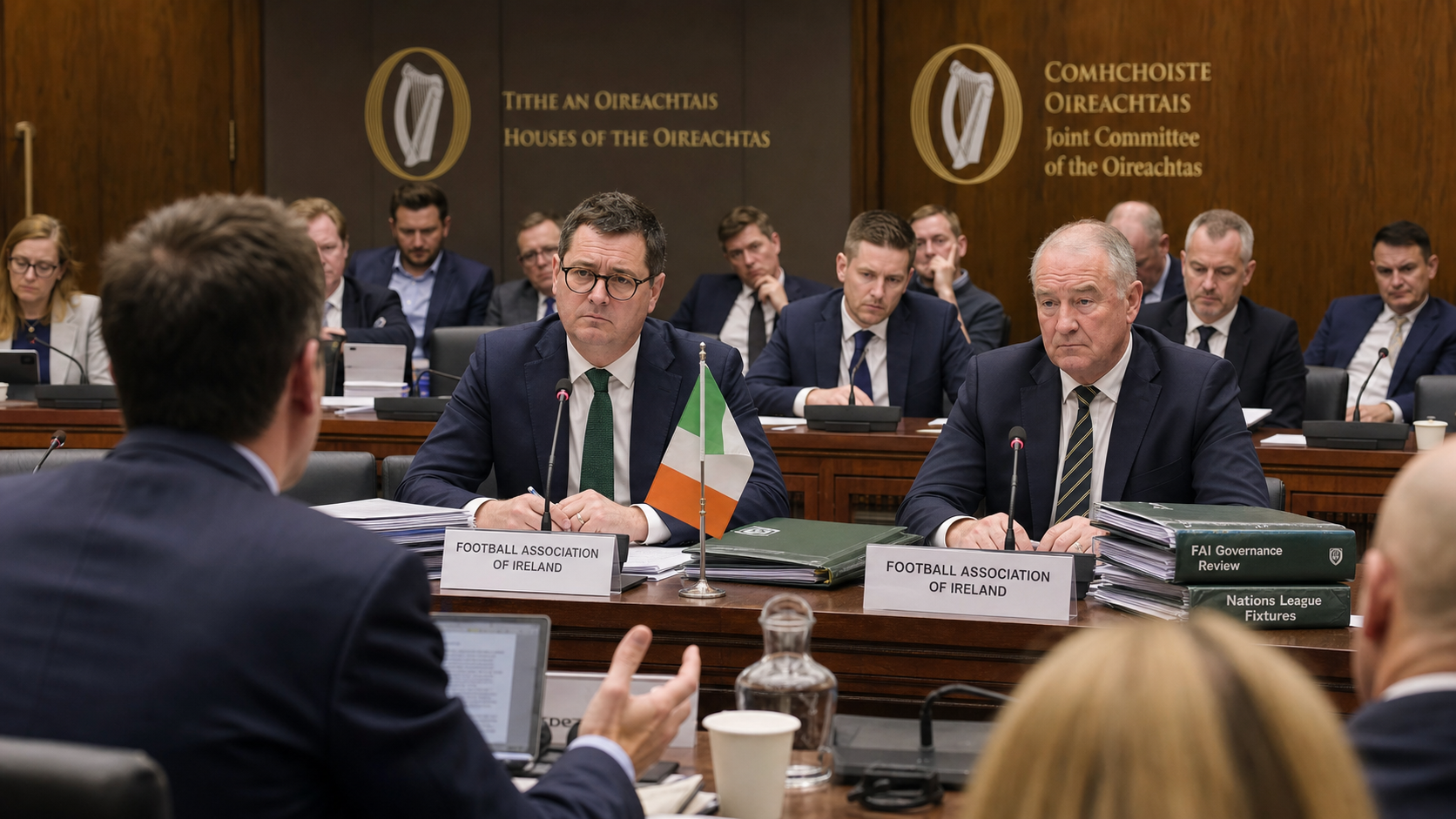
The Republic of Ireland's Nations League fixtures against Israel have been among the most politically charged sporting events in Irish football history. The Football Association of Ireland decided to proceed with the matches despite calls from over 160 Irish athletes — including Olympians, rugby internationals, and GAA players — for a boycott, citing an independent UN commission's conclusion that Israel is committing genocide in Gaza. The FAI argued that it had no legal basis to withdraw from the fixtures and that UEFA had rejected its request to keep Ireland and Israel in separate groups during the draw.
The matches are scheduled to be played at neutral venues — in Debrecen, Hungary, and Backa Topola, Serbia — due to security concerns. RTÉ has announced it will broadcast the fixtures without pundits, studio coverage, or advertising, in a gesture of solidarity with those who have called for a boycott. The broadcaster's decision has itself generated controversy, with some arguing it represents an inappropriate editorial stance and others praising it as a principled response to an extraordinary situation.
Hallgrímsson, the Icelandic manager who took charge of the Republic of Ireland in 2024, has navigated the controversy with a degree of candour that has surprised some observers. His comment that Ireland was "playing against genocide" was made in response to a question about the difficulty of maintaining player focus amid the public pressure, and was clearly intended as a statement of his personal view rather than a formal FAI position.
Key Developments
The Israel Football Association responded to Hallgrímsson's comments via its official X account on Monday, September 21, writing: "We have contributed to the world and humanity in countless fields, earning an impressive number of Nobel Prizes along the way. Unfortunately, we have not yet found a cure for stupidity, ignorance and hypocrisy displayed by the Ireland football team coach." The IFA was reported to be considering a formal complaint to UEFA regarding the manager's language, though no such complaint had been officially received by the governing body as of Monday evening.
The FAI declined to comment on the IFA's statement. Hallgrímsson was expected to face further media questions at his scheduled press conferences ahead of the Kosovo fixture on September 24. The Republic of Ireland squad is navigating the controversy while also dealing with a significant injury crisis, with captain Nathan Collins, Evan Ferguson, and Josh Cullen all absent. Carl Phillips has been called up to the squad following a double injury setback to other players.
The broader political context has also been shaped by Foreign Affairs Minister Helen McEntee's comments at the UN General Assembly in New York, where she said the EU's "credibility is gone" on illegal Israeli settlements in Palestine and called for further EU sanctions against Israel.
Why It Matters
The Hallgrímsson controversy illustrates the impossible position in which the FAI and the Republic of Ireland squad find themselves. The association has a legal obligation to fulfil its UEFA fixtures, but the moral case for doing so has been challenged by a broad coalition of Irish civil society, including athletes, academics, and politicians. Hallgrímsson's comment — whatever its diplomatic wisdom — reflects a view that is widely held in Ireland, where public opinion on the situation in Gaza has been consistently more critical of Israel than in most other European countries.
The IFA's response, with its reference to Nobel Prizes, was widely criticised in Ireland as tone-deaf and disproportionate. The exchange has further inflamed an already volatile situation and has made the task of managing the fixtures — both logistically and politically — significantly more difficult for the FAI and UEFA. The decision to play at neutral venues reflects the security concerns that surround the matches, but it does not resolve the underlying political controversy.
Local Impact
In Ireland, the controversy has generated significant public debate about the role of sport in political conflicts and the responsibilities of national sporting bodies. The 160-plus athletes who signed the open letter calling for a boycott represent a cross-section of Irish sport, and their intervention has given the campaign a visibility that purely political advocacy could not have achieved. For the Republic of Ireland players themselves, the situation is deeply uncomfortable — they are being asked to represent their country in fixtures that a significant portion of the Irish public believes should not be played.
What's Next
The Republic of Ireland face Kosovo in Pristina on Thursday, September 24, in their opening Nations League fixture. The Israel fixture follows on September 27 at a neutral venue in Backa Topola, Serbia. The FAI is expected to issue a statement on the IFA's comments before the Kosovo match. UEFA has been asked to comment on whether it is investigating the IFA's statement or Hallgrímsson's original remarks. The broader question of whether UEFA should have kept Ireland and Israel in separate groups is expected to be raised at the next UEFA Congress.