GRA Demands Tribunal on Garda Whistleblower Handling as RTÉ Investigation Exposes Systemic Failures
The Garda Representative Association has called for a full tribunal of inquiry into the handling of protected disclosures within An Garda Síochána, following an RTÉ Prime Time Investigates documentary that exposed what it described as systemic failures in the management of whistleblower complaints, with senior members of the Garda whistleblower unit describing themselves as "broken" by management's treatment and opposition leaders raising urgent questions in the Dáil on the first day back from summer recess.
Background
The treatment of Garda whistleblowers has been a recurring source of controversy in Irish public life for more than a decade. The cases of Maurice McCabe and John Wilson — both of whom made protected disclosures about Garda malpractice and were subsequently subjected to campaigns of harassment and reputational damage by senior Garda management — led to the establishment of the Disclosures Tribunal under Mr Justice Peter Charleton, which reported in 2018 and found that McCabe had been the victim of a "disgusting" smear campaign.
The Charleton Tribunal's findings were supposed to mark a turning point in how An Garda Síochána handles protected disclosures. The Garda Síochána (Protected Disclosures) Act 2017 strengthened the legal protections available to whistleblowers, and a dedicated Protected Disclosures Unit was established within the organisation to manage complaints. However, the RTÉ Prime Time Investigates documentary broadcast this week suggests that the cultural change that was supposed to accompany those structural reforms has not materialised.
The documentary, which drew on testimony from current and former members of the Protected Disclosures Unit, alleged that whistleblowers continue to be sidelined, penalised, and in some cases effectively forced out of the organisation after making protected disclosures. It also raised serious concerns about the storage of firearms at Garda Headquarters, alleging that dangerous practices had been identified by whistleblowers but not adequately addressed by management.
Key Developments
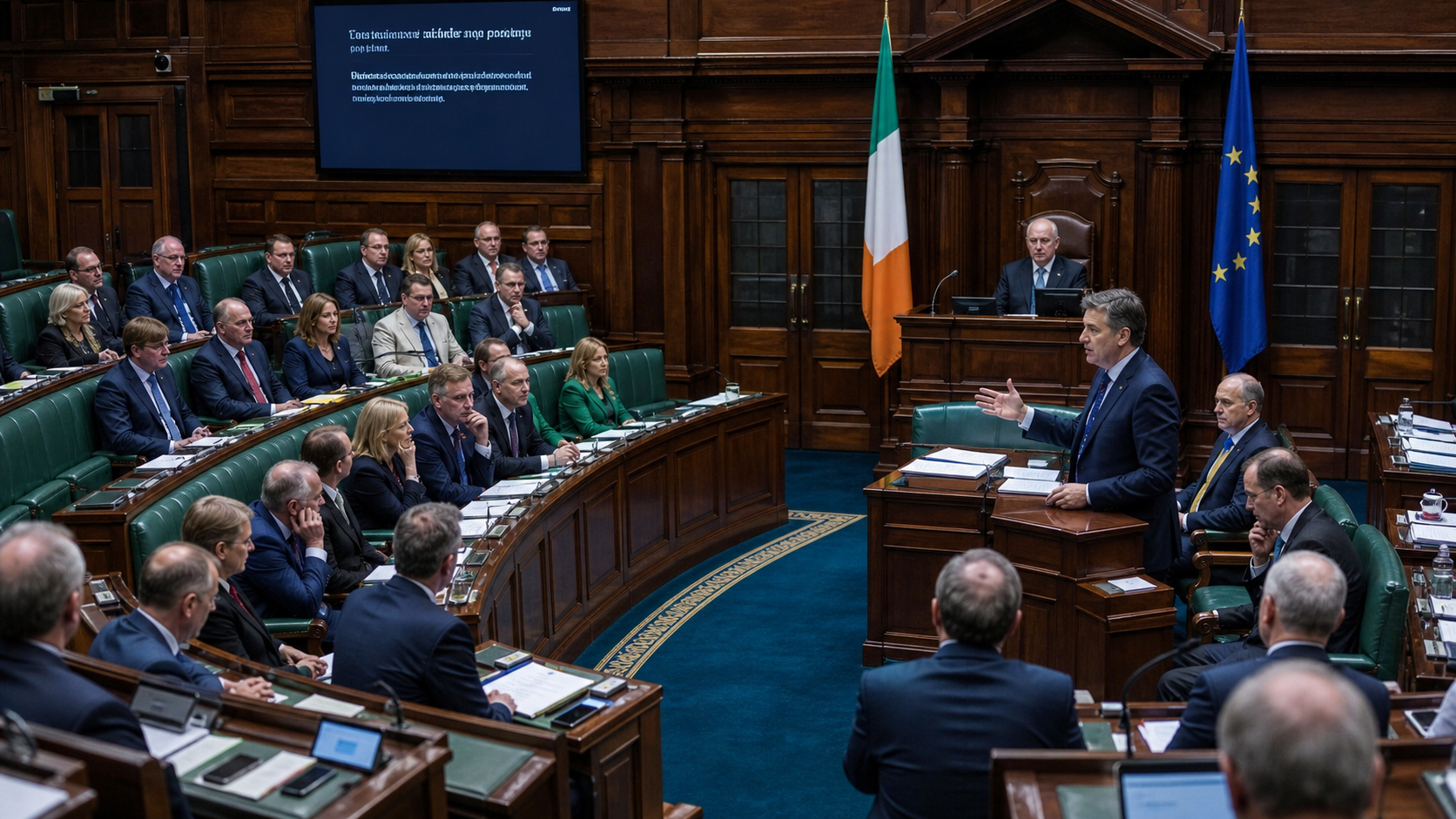
The Dáil returned from its summer recess on Wednesday to find the Garda whistleblower controversy dominating the political agenda. Sinn Féin leader Mary Lou McDonald and Labour leader Ivana Bacik both raised the matter during leaders' questions, with McDonald alleging that Garda whistleblowers are being "penalised and even purged" by senior management. Bacik called for an immediate independent review of the Protected Disclosures Unit and its handling of complaints.
The GRA, which represents rank-and-file gardaí, went further, calling for a full tribunal of inquiry into the handling of protected disclosures. The association's general secretary argued that the existing oversight mechanisms — including the Garda Síochána Ombudsman Commission and the Policing Authority — have proven inadequate to address the systemic nature of the problem, and that only a tribunal with full powers of compellability and discovery can get to the truth.
The Irish Times reported that a senior member of the Garda whistleblower unit described himself as "broken" by management's treatment, and that several other members of the unit have sought transfers or taken sick leave as a result of the pressure they have experienced. The Department of Justice has indicated that Minister Jim O'Callaghan is reviewing the documentary's findings and will make a statement to the Dáil in the coming days.
The controversy has also drawn attention to the role of the Garda Commissioner, Drew Harris, who has been in post since 2018 and who has presided over the period during which the alleged failures occurred. Harris has not yet made a public statement in response to the documentary's findings.
Why It Matters
The Garda whistleblower controversy matters because it goes to the heart of the rule of law in Ireland. An Garda Síochána is the state's primary law enforcement agency, and its integrity depends on the willingness of its members to report wrongdoing without fear of retaliation. If the culture of the organisation is such that whistleblowers are systematically penalised for making protected disclosures, then the mechanisms designed to ensure accountability within the force are effectively neutered.
The comparison with the McCabe case is instructive. The Charleton Tribunal found that the smear campaign against Maurice McCabe had been orchestrated at the highest levels of Garda management, and that it had been facilitated by a culture of impunity that allowed senior officers to act without accountability. The RTÉ documentary suggests that, despite the reforms introduced in the wake of the tribunal, that culture has not fundamentally changed.
Local Impact
For communities across Ireland that depend on An Garda Síochána for their safety and security, the whistleblower controversy raises troubling questions about the organisation's internal culture and its willingness to hold itself to account. The firearms storage concerns raised in the documentary are particularly alarming, as they suggest that safety risks identified by whistleblowers may not have been adequately addressed.
The controversy is also likely to have implications for Garda recruitment and retention. The organisation has been struggling to attract and retain members in recent years, and the perception that whistleblowers are treated badly is unlikely to help its efforts to present itself as an attractive employer.
What's Next
Minister O'Callaghan is expected to make a statement to the Dáil in the coming days setting out the government's response to the documentary's findings. The GRA's call for a tribunal of inquiry will be considered by the Cabinet, though the government has historically been reluctant to establish new tribunals given the cost and duration of previous inquiries. The Policing Authority is expected to request a briefing from the Garda Commissioner on the documentary's allegations at its next meeting.