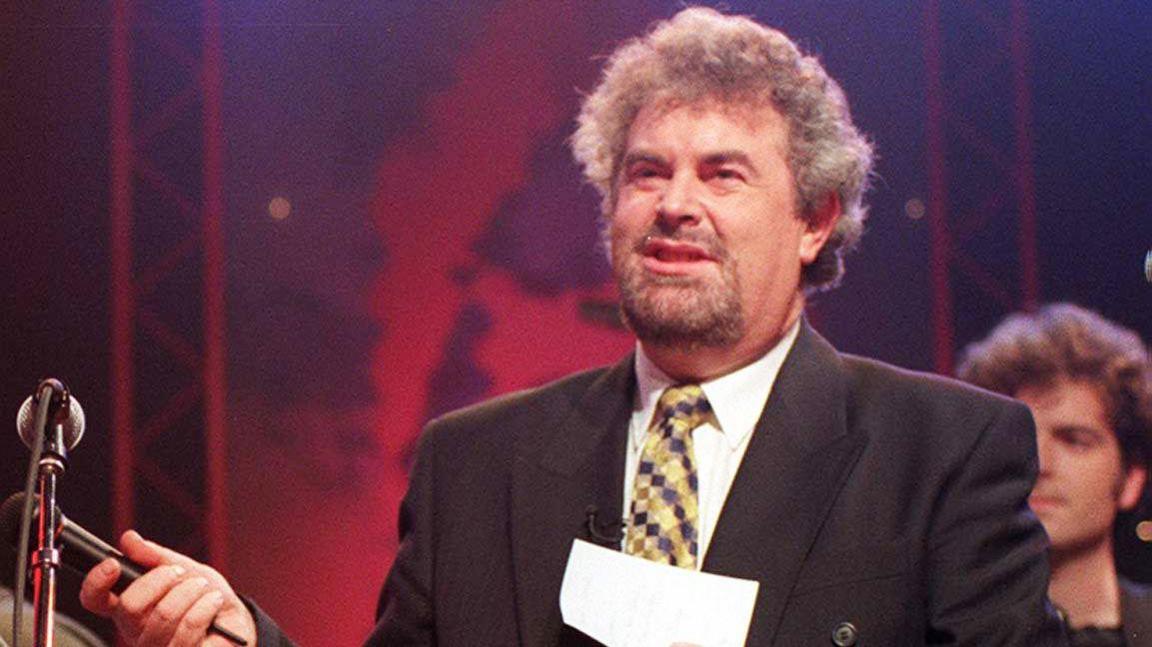
Gerry Kelly: Hundreds Attend Funeral of Beloved UTV Broadcaster Who Kept Northern Ireland Sane
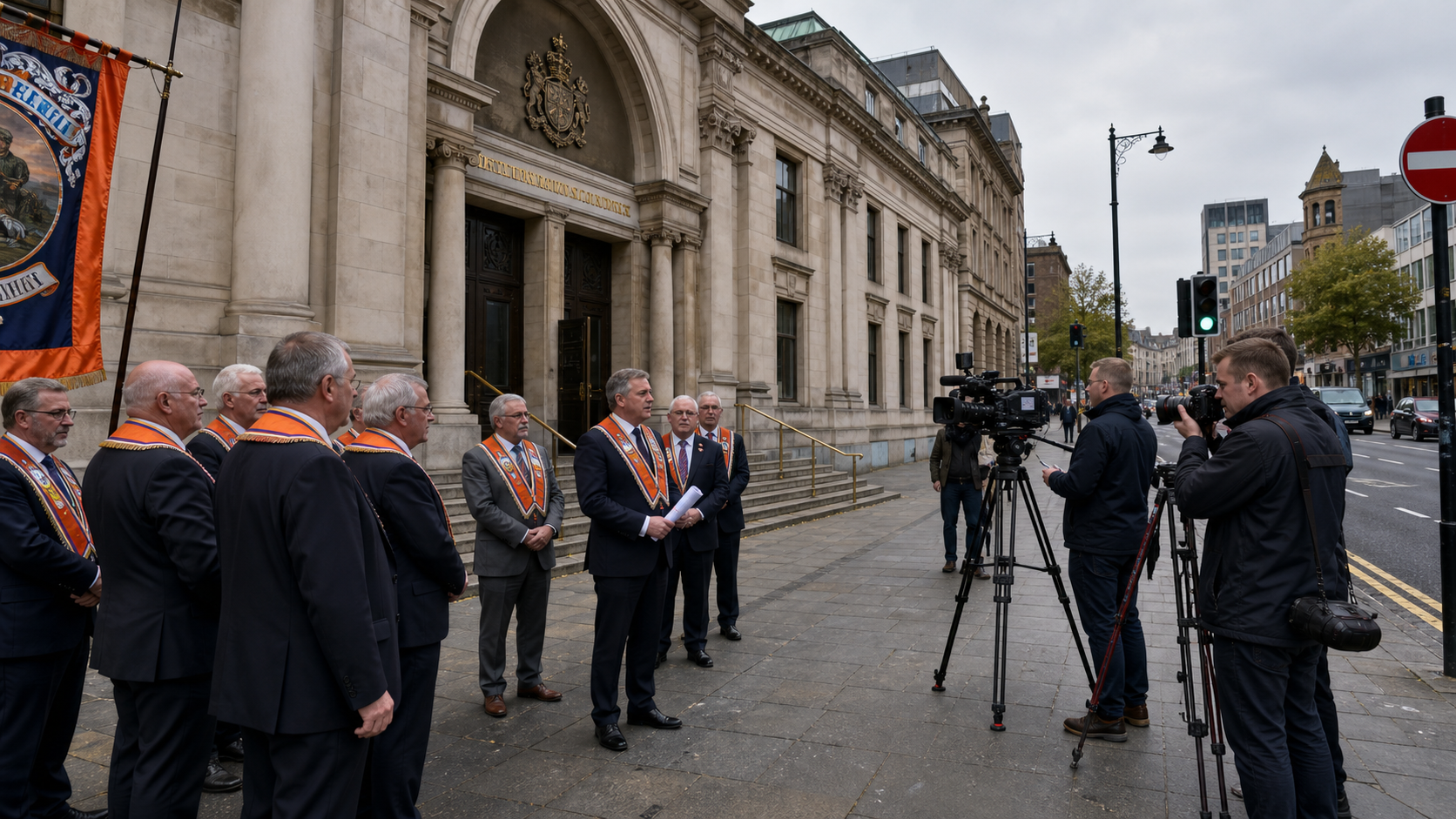
Hundreds of mourners, including many of the most recognisable names in Northern Ireland broadcasting and public life, gathered at St Nicholas' Church in Ardglass, County Down, on Wednesday afternoon for the funeral of Gerry Kelly, the veteran UTV presenter whose long-running Friday night chat show became one of the most important cultural institutions in Northern Ireland during the Troubles and beyond. Kelly, who died peacefully at his home in Ardglass on Sunday at the age of 77, was remembered as a man of extraordinary warmth, professionalism, and humanity whose ability to find common ground across the divisions of Northern Irish society was a rare and precious gift.
Background
Gerry Kelly was born in Belfast in 1948 and began his broadcasting career with BBC Radio Ulster before moving to UTV, where he would spend the majority of his professional life. His show Kelly, which ran from 1985 to 2005, was a Friday night institution for generations of Northern Ireland viewers, combining celebrity interviews, musical performances, and human interest stories in a format that was deceptively simple but required enormous skill to execute well. At its peak, the show attracted audiences of over 400,000 — a remarkable figure for a regional programme — and its longevity reflected the genuine affection in which Kelly was held by the Northern Ireland public.
What made Kelly's achievement particularly significant was the context in which he worked. Throughout the worst years of the Troubles, when Northern Ireland was a society under enormous strain, his programme offered something that was genuinely rare: a space of warmth, laughter, and shared humanity that transcended the political and sectarian divisions that defined so much of public life. He interviewed politicians from all traditions, celebrities from across the island and beyond, and ordinary people with extraordinary stories, and he did so with a consistency of tone and a generosity of spirit that made his programme feel like a safe harbour in difficult times.
Beyond his television work, Kelly was a familiar presence on BBC Radio Ulster and was involved in numerous charitable and community initiatives throughout his career. He was awarded an MBE for services to broadcasting and was widely regarded as one of the most significant figures in the history of Northern Ireland television.
Key Developments
The Requiem Mass at St Nicholas' Church began at 1:00 p.m. on Wednesday, following a procession from Kelly's late residence at 12:30 p.m. The church was filled to capacity, with mourners including former colleagues from UTV and BBC, politicians from across the political spectrum, and members of the public who had grown up watching his programme. The musical group The Priests, whom Kelly had interviewed multiple times during his career, performed at the service, providing a musical tribute that was deeply moving.
Father Brian D'Arcy, a close friend and colleague who had appeared on Kelly's programme on many occasions, delivered the principal tribute. He described Kelly as "a voice of sanity during insane times," a man who possessed the professional skill and the personal warmth to maintain a sense of normalcy and shared humanity during the most difficult periods of Northern Ireland's history. "Gerry understood that what people needed, more than anything, was to laugh together, to cry together, to feel that they were part of the same community," Father D'Arcy said. "He gave them that, week after week, for twenty years." Interment took place in the adjoining Calvary Cemetery following the service.
Why It Matters
The outpouring of grief that followed Kelly's death reflects the depth of his impact on Northern Ireland society. In a region where public figures are often defined by their political or religious affiliation, Kelly was genuinely cross-community in his appeal — a broadcaster who was trusted and loved by people from all backgrounds. That achievement, in the context of Northern Ireland's history, is not a small thing. His programme demonstrated, week after week, that there was more that united the people of Northern Ireland than divided them, and that shared laughter and shared humanity were more powerful than the forces of division. That message, delivered consistently over two decades, had a cultural impact that is difficult to quantify but easy to recognise.
Local Impact
In Ardglass, the small County Down fishing village where Kelly had made his home, the response to his death was one of quiet, profound sadness. The village, which sits on the coast of the Irish Sea south of Strangford Lough, is a tight-knit community, and Kelly was a familiar and beloved figure in local life. The family requested that the house remain private to family and close friends, and donations were directed to the Northern Ireland Hospice in lieu of flowers. UTV and BBC Northern Ireland both broadcast tribute programmes in the days following his death, drawing large audiences and generating an outpouring of memories and tributes on social media from people across Northern Ireland and beyond.
What's Next
A memorial event celebrating Kelly's life and career is expected to be organised in the coming months, with details to be confirmed by his family and former colleagues. UTV has indicated that it will broadcast a special tribute programme in the autumn. The Northern Ireland Hospice, which was named as the beneficiary of donations in lieu of flowers, has expressed its gratitude to the Kelly family and to the many people who have already contributed in his memory.