Gardaí 'Acted Within the Law' in Fatal M9 Pursuit, Fiosrú Watchdog Finds After Investigation
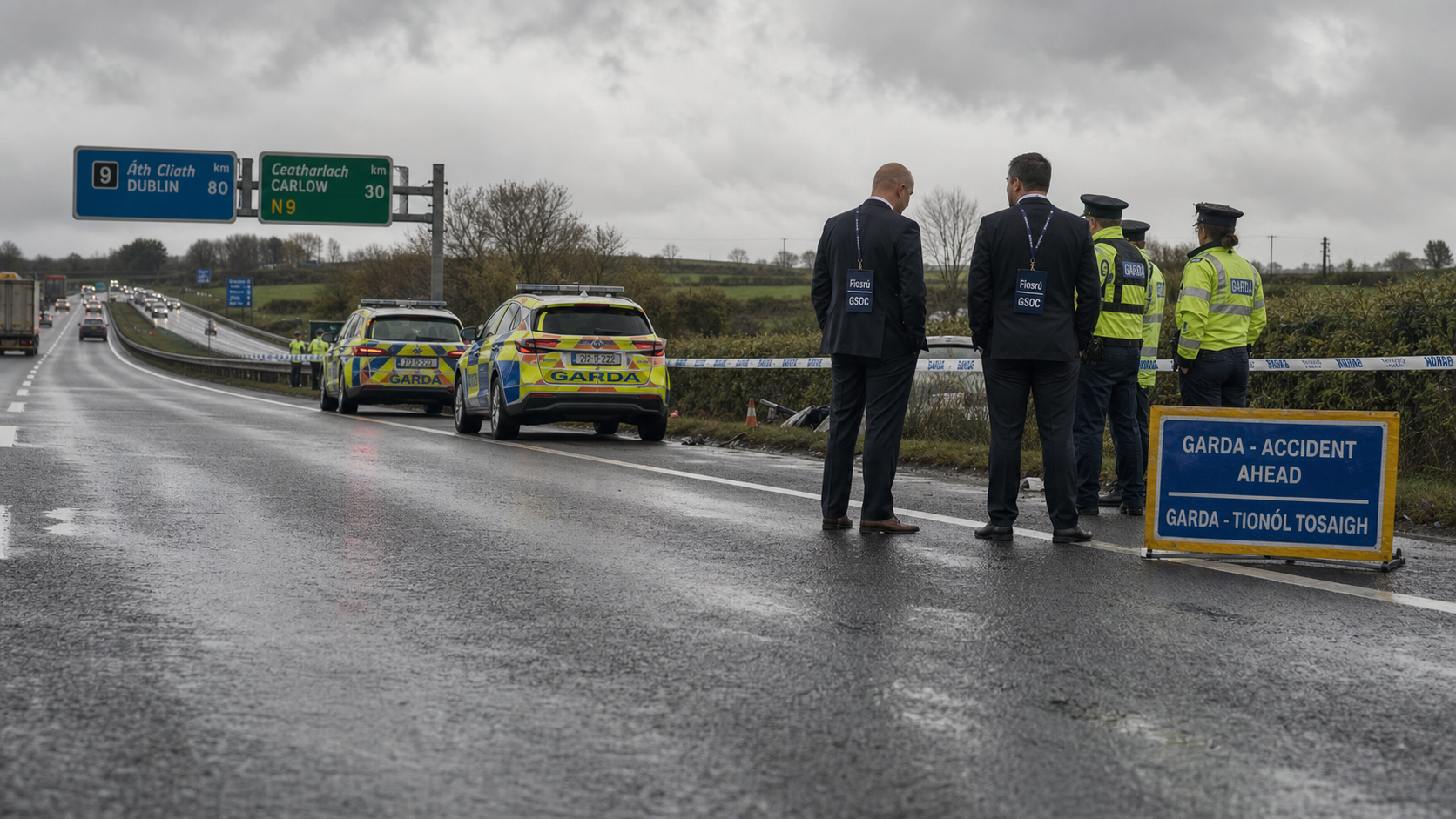
The Garda Síochána Ombudsman Commission, known as Fiosrú, has concluded that members of An Garda Síochána acted appropriately and within the law during a pursuit on the M9 motorway that ended in a fatal crash, clearing the officers involved of any wrongdoing while acknowledging the profound tragedy of the outcome for the families of those who died.
Background
The M9 motorway, which runs between Dublin and Waterford, has been the scene of a number of serious road incidents in recent years. The pursuit that prompted the Fiosrú investigation involved gardaí attempting to stop a vehicle that had come to their attention, with the chase ending in a collision that resulted in fatalities. The precise circumstances of the incident — including the speed of the vehicles involved, the duration of the pursuit, and the decisions made by the officers — were the subject of the investigation.
Fiosrú, which was established to provide independent oversight of the Garda Síochána, investigates complaints and incidents involving members of the force. Its investigations are conducted independently of the Garda Commissioner and the Department of Justice, and its findings carry significant weight in public debates about policing standards and accountability. The investigation into the M9 incident was one of a number of pursuit-related cases that Fiosrú has examined in recent years, reflecting growing public concern about the risks associated with high-speed police chases on Irish roads.
Garda pursuit policy has been a contentious issue in Ireland for many years. Critics argue that the policy is insufficiently restrictive and that pursuits should be abandoned more readily when the risk to public safety becomes unacceptable. Defenders of the current approach argue that abandoning pursuits too readily would encourage dangerous driving and make it easier for criminals to evade justice.
Key Developments
Fiosrú's report, published on Friday, found that the gardaí involved in the M9 pursuit had followed the relevant protocols and had acted within the law throughout the incident. The investigators concluded that the decisions made by the officers were reasonable in the circumstances and that there was no basis for a finding of misconduct or criminal liability. The report acknowledged the devastating consequences of the crash for the families of those who died but found that these consequences did not, in themselves, indicate that the gardaí had acted improperly.
The families of those who died in the crash have been informed of the findings. Their legal representatives indicated they were studying the report carefully and would consider their options, including whether to seek a judicial review of the findings.
Why It Matters
The Fiosrú finding will not end the debate about garda pursuit policy in Ireland. Every fatal pursuit raises the same fundamental question: at what point does the public interest in apprehending a suspect become outweighed by the risk to the lives of the suspect, the pursuing officers, and innocent bystanders? The current policy attempts to answer this question through a framework of risk assessment and proportionality, but the application of that framework in the heat of a pursuit is inevitably imperfect. The M9 finding clears the officers involved, but it does not resolve the underlying policy questions, and those questions will continue to be asked as long as pursuits result in fatalities.
Local Impact
The M9 motorway serves communities across the south-east of Ireland, connecting Dublin with Waterford, Kilkenny, and Carlow. The fatal crash had a significant impact on the communities from which the victims came, and the Fiosrú investigation has been followed closely by local media and community groups. Road safety organisations have used the case to renew their calls for a review of garda pursuit policy, and the Road Safety Authority has indicated it will engage with the Department of Justice on the issue.
What's Next
The Department of Justice has indicated it will review the Fiosrú report and consider whether any changes to garda pursuit policy are warranted. A broader review of pursuit policy, which was announced following a series of fatal incidents in 2024, is expected to report before the end of 2026. The families of those who died in the M9 crash have indicated they will continue to seek accountability through whatever legal avenues are available to them.