Garda Whistleblowers 'Penalised and Purged' as Dáil Returns to Explosive Protected Disclosures Row
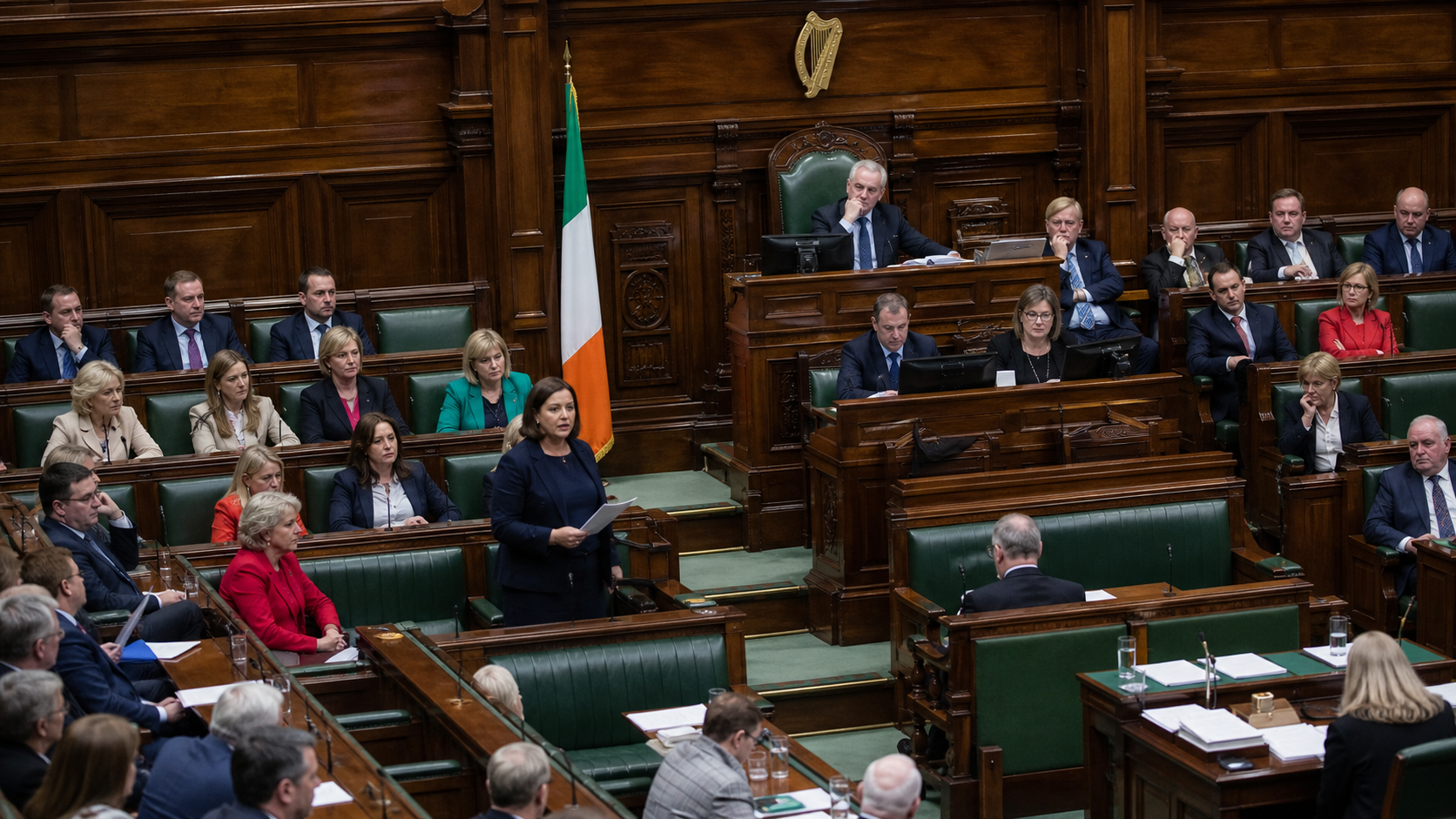
Sinn Féin leader Mary Lou McDonald and Labour leader Ivana Bacik raised urgent concerns in Dáil Éireann on the first day back from the summer recess, alleging that Garda whistleblowers are being "penalised and even purged" by senior management within An Garda Síochána. The debate, which dominated the opening session of the autumn term, followed an RTÉ Prime Time Investigates documentary that exposed systemic failures in the force's handling of protected disclosures and raised alarming questions about the storage of firearms and defective equipment at Garda Headquarters.
Background
The treatment of Garda whistleblowers has been one of the most persistent and damaging controversies in Irish public life for more than a decade. The Maurice McCabe affair — in which a Garda sergeant who raised concerns about malpractice was subjected to a sustained campaign of character assassination — exposed deep cultural problems within An Garda Síochána and led to a series of inquiries, reforms, and legislative changes designed to protect those who speak out about wrongdoing in the force. The Protected Disclosures Act, strengthened in 2022, was intended to provide robust legal protection for whistleblowers across the public sector, including within the Gardaí.
However, the RTÉ Prime Time Investigates documentary broadcast in September 2026 suggested that the culture of hostility toward whistleblowers within the Gardaí has not fundamentally changed. The programme focused on the Garda Protected Disclosures Unit (PDU), which was established specifically to handle complaints from officers who wished to raise concerns about malpractice, and alleged that personnel assigned to the unit had themselves been subjected to hostility, pressure to close cases prematurely, and active interference from senior management.
Two former members of the PDU — Donal Corcoran and Rose Sweeney — were among those who eventually became whistleblowers themselves after observing the undermining of the unit's independence. Both were effectively removed from their roles in January 2025 after raising concerns internally, according to the documentary.
Key Developments
At Leaders' Questions on 17 September 2026, McDonald described the situation as "as bad as it has ever been" and called on the Taoiseach to take personal responsibility for the failure to protect Garda whistleblowers. She said the documentary had exposed a "systemic culture of retaliation" that was incompatible with the rule of law and with the government's stated commitment to transparency and accountability. Bacik echoed these concerns, saying the allegations were "deeply disturbing" and called for an independent review of the PDU and its handling of protected disclosures.
The documentary also raised serious safety concerns, highlighting dangerous practices at Garda Headquarters regarding the haphazard storage of firearms, ammunition, and explosives, as well as the continued use of defective gun holsters despite internal warnings. The holster issues were linked to the 2020 murder of Detective Colm Horkan and a separate non-fatal shooting of a Garda — a connection that gave the safety allegations particular gravity.
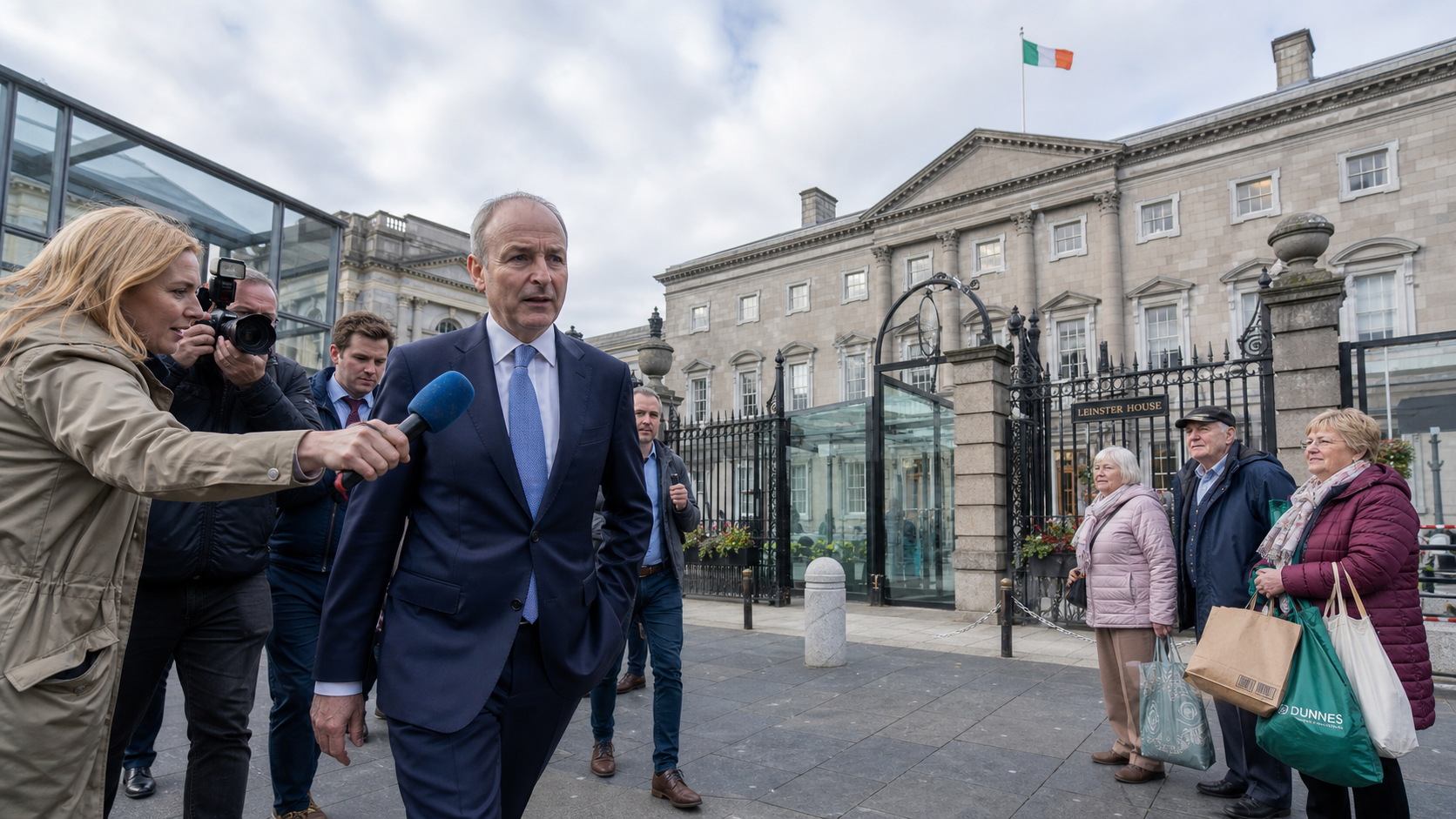
Taoiseach Micheál Martin defended the government's position, stating he could not interfere in operational Garda matters or specific protected disclosures. He rejected accusations of political inaction, describing the questions as "loaded" and emphasising that the legal framework for protected disclosures prevents ministerial intervention. However, he acknowledged that the current legislative framework regarding confidentiality and protected disclosures may be "untenable" and in need of reform — a concession that was immediately seized upon by the opposition as an admission that the system is not working.
Why It Matters
The Garda whistleblower controversy matters because it goes to the heart of the rule of law in Ireland. A police force that retaliates against those who report wrongdoing is a police force that cannot be trusted to police itself — and a police force that cannot be trusted to police itself is a threat to the democratic accountability that underpins the entire justice system. The parallels with the Maurice McCabe affair are not merely rhetorical: the same patterns of behaviour — the targeting of individuals who speak out, the pressure to close cases, the interference with oversight mechanisms — appear to be recurring despite the reforms that were supposed to prevent them. For the government, the controversy is a serious political problem, not least because it undermines the credibility of the legislative changes that were introduced in the wake of the McCabe affair. If those changes have not produced the cultural shift they were designed to achieve, the question of what will is one that demands an urgent and honest answer.
Local Impact
The controversy has resonated across Ireland, but has particular significance in communities where trust in the Gardaí has historically been fragile. In Dublin's north inner city, in parts of Cork and Limerick, and in border communities where the relationship between the state and its citizens has been complicated by historical tensions, the allegations of whistleblower retaliation reinforce existing scepticism about the force's willingness to hold itself accountable. The Garda Representative Association and the Association of Garda Sergeants and Inspectors have both called for an independent review of the PDU, arguing that the current situation is damaging to the morale of the vast majority of Garda members who serve with integrity. The Policing Authority, which has oversight responsibility for the force, has indicated it will seek a briefing from Garda management on the documentary's allegations.
What's Next
The Taoiseach has indicated that the government will review the legislative framework for protected disclosures in the Gardaí, with a report expected before the end of 2026. The Policing Authority is expected to hold a special session on the PDU allegations in October 2026. The Oireachtas Justice Committee has indicated it will invite the whistleblowers, Garda management, and the Minister for Justice to appear before it to address the allegations raised in the Prime Time documentary. The documentary itself is expected to be the subject of a formal Garda response, with the force's press office having been contacted for comment ahead of broadcast.