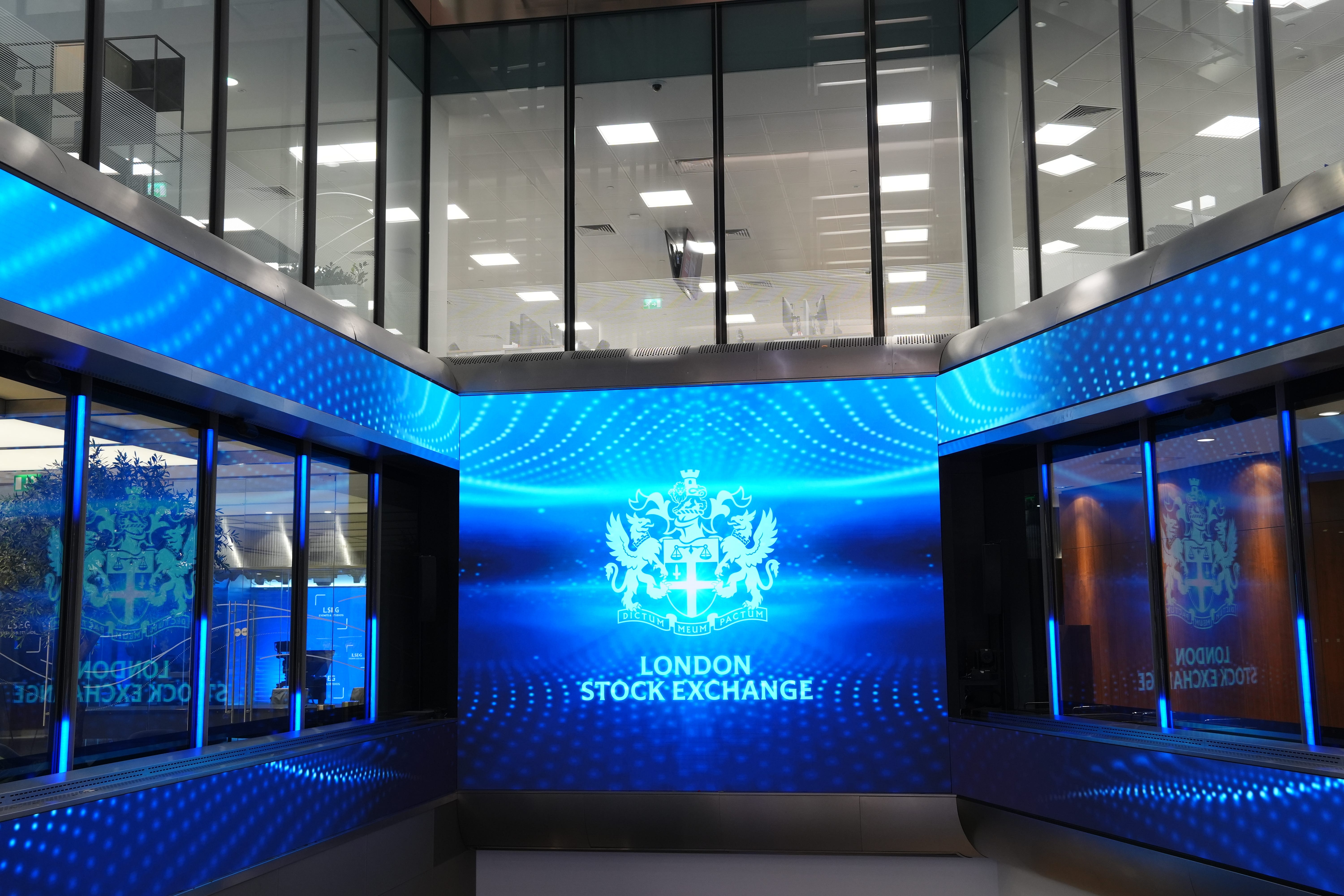
FTSE 100 Surges Past 10,000 as UK Stocks Defy Global Turbulence
The UK's flagship FTSE 100 index crossed the historic 10,000-point mark for the first time earlier this year, a milestone that analysts say reflects the resilience of British blue-chip stocks even as the Iran war rattles global markets.
The index reached an intraday high of 10,046 before closing at 9,951 on the first trading day of 2026, representing a 21% increase from its level in January 2024. The surge was driven by strong performance in mining and defence sectors, fuelled by rising global defence spending and higher commodity prices.
Background
The FTSE 100 has long been considered a barometer of global business activity rather than purely the UK domestic economy, with approximately 75% of its constituent companies' revenues generated overseas. This international exposure has made it particularly sensitive to commodity price movements and global defence spending trends.
Key Developments
Financial commentator Susannah Streeter described the 10,000 milestone as "a psychologically important" moment for UK markets, while Chancellor Rachel Reeves called it "a vote of confidence in Britain's economy." The index's performance has been underpinned by strong gains in mining stocks, which have benefited from higher commodity prices, and defence companies, which have seen their valuations rise sharply amid increased NATO spending commitments.
However, the Iran war has introduced significant volatility into global markets since late February 2026. Asian stock markets have experienced sharp falls, with the Nikkei 225, Kospi, and Hang Seng indices all declining since the conflict began. The International Monetary Fund has warned that the war is causing higher prices and slower global growth, particularly affecting energy importers in Europe.
Why It Matters
For UK investors and pension holders, the FTSE 100's performance has direct implications for retirement savings and investment portfolios. The index's resilience amid global turbulence has been attributed in part to its heavy weighting towards energy, mining, and defence stocks — sectors that have benefited from the current geopolitical environment. However, economists caution that rising oil prices driven by the Iran conflict could weigh on UK consumer spending and corporate margins in the months ahead.
What's Next
Analysts are watching closely for the impact of the Iran war on UK corporate earnings, particularly in sectors exposed to energy costs and global supply chains. The Bank of England's next interest rate decision will also be a key factor for UK markets, as policymakers balance the risk of inflation from higher energy prices against the potential for slower economic growth. Read the full BBC report.