FTSE 100 Stalls as NatWest Warning and Oil Price Slide Spook Markets
London's leading stock index, the FTSE 100, ended the week on a flat note, as a cautious outlook from banking giant NatWest and a sharp drop in oil prices offset positive corporate earnings and signs of easing trade tensions.
Background
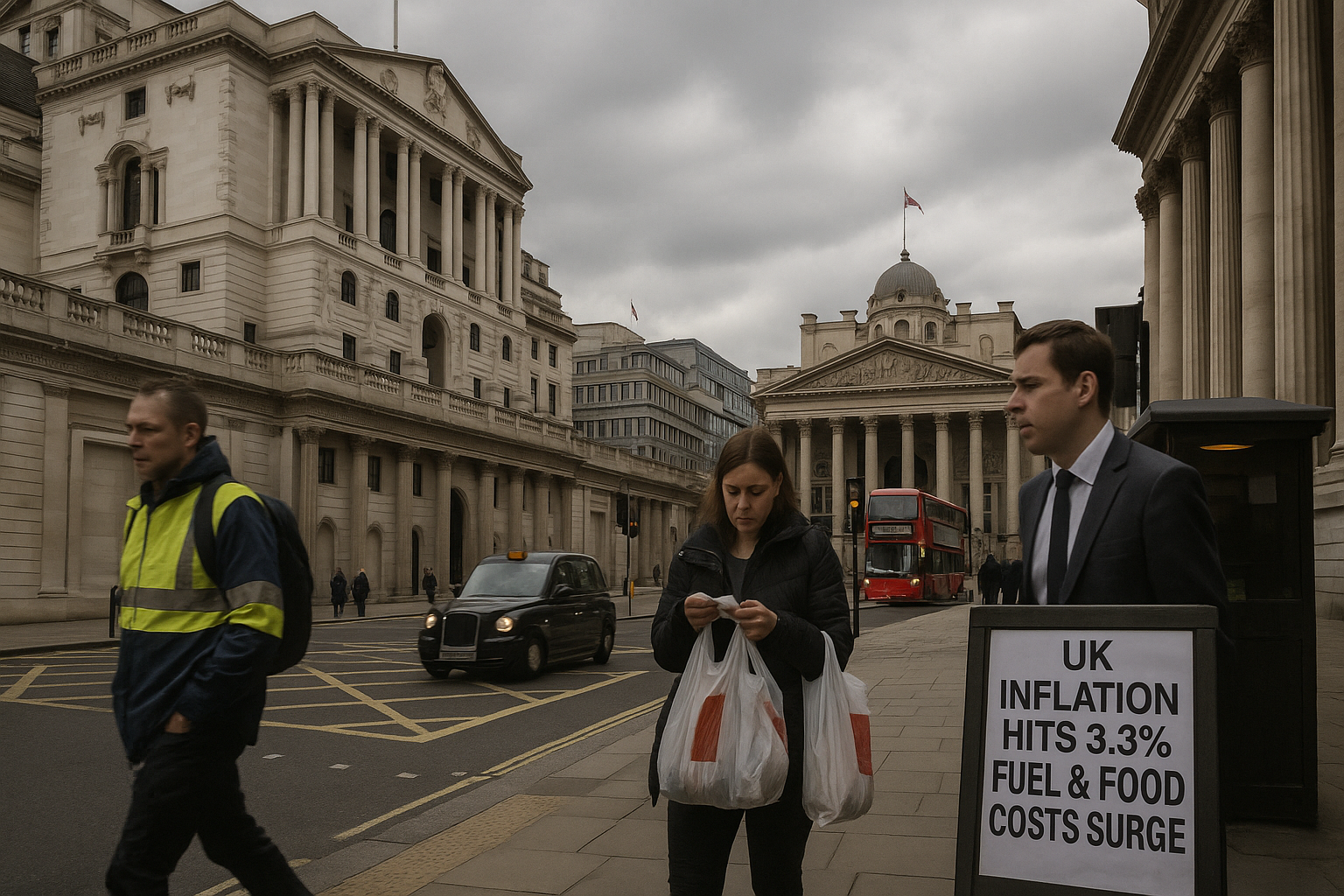
The FTSE 100 has had a strong run in 2026, recently breaking through the 10,000-point barrier for the first time in its history. This rally has been fuelled by a combination of factors, including hopes of interest rate cuts, resilient corporate earnings, and a perception that UK stocks are undervalued compared to their international peers. However, the market remains sensitive to geopolitical and economic headwinds, particularly the ongoing volatility in global energy markets and the persistent threat of inflation.
The situation in the Middle East has been a primary source of concern for investors. The recent conflict involving Iran sent oil prices soaring, raising fears of a new inflationary shock that could force central banks to delay or even reverse their planned interest rate cuts. The Bank of England has been particularly hawkish, warning that it will not hesitate to act to curb any resurgence in inflation. This has created a tense and uncertain environment for investors, who are weighing positive corporate news against a fragile macroeconomic backdrop.
Key Developments
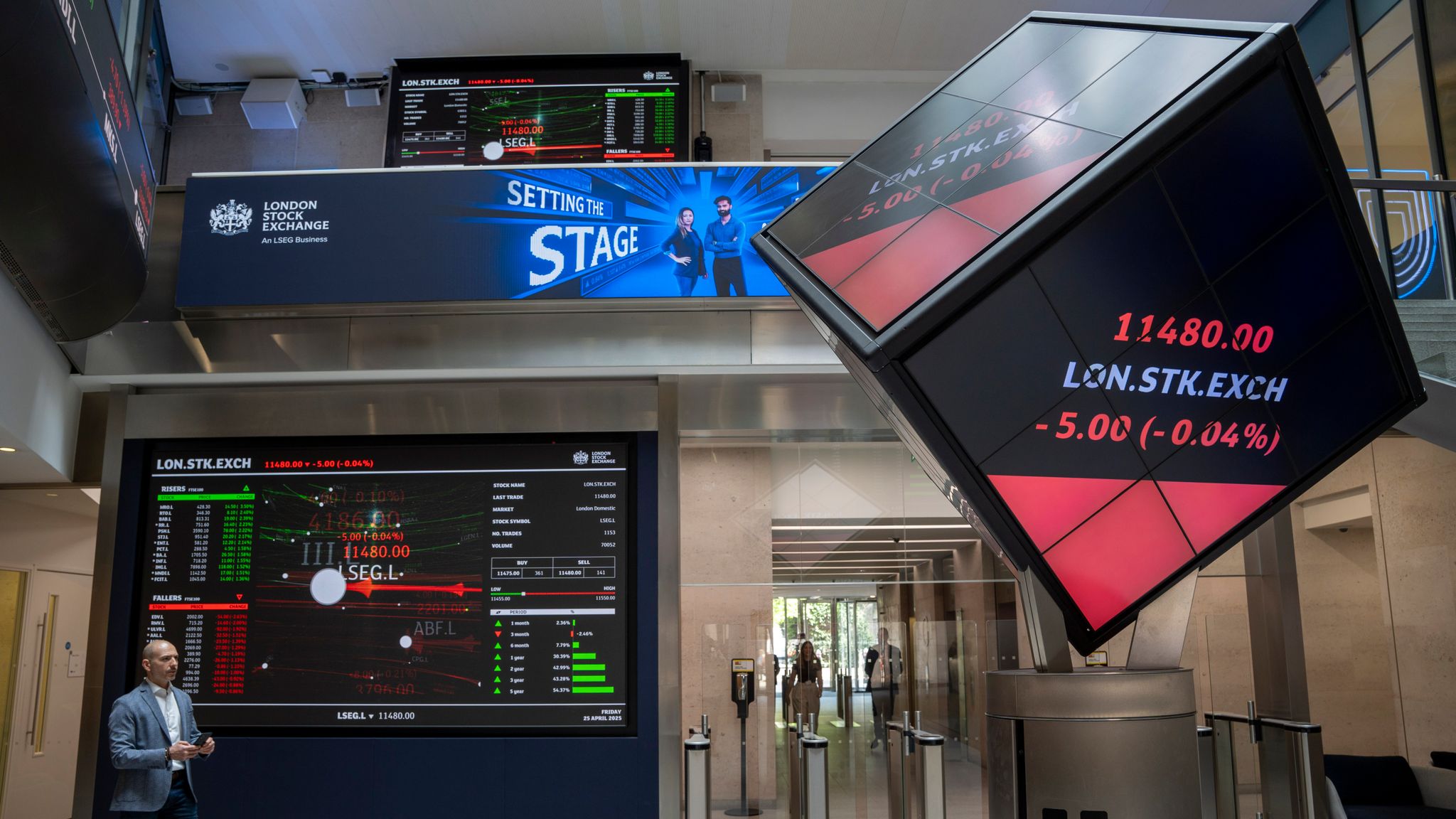
The FTSE 100 closed at 10,380 on Friday, May 1, largely unchanged on the day. The market's momentum was checked by a significant slump in the share price of NatWest Group. The banking giant fell 3.5% despite reporting a strong first-quarter pre-tax operating profit of £2.03 billion. Investors were spooked by the bank's accompanying statement, which warned of significant economic risks stemming from the Iran conflict and its potential impact on energy prices and inflation. This cautious tone overshadowed the solid profit figure and highlighted the market's underlying anxiety.
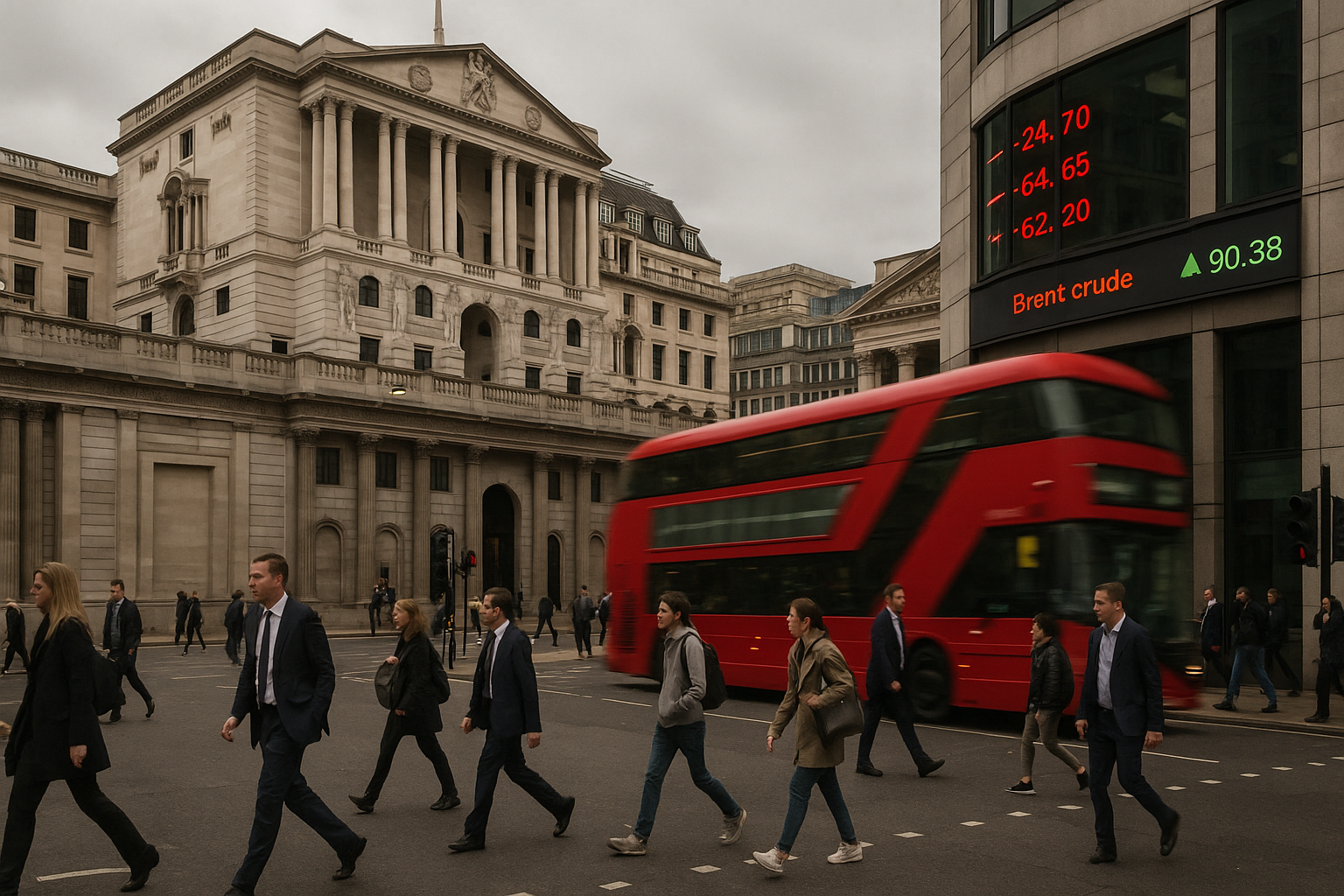
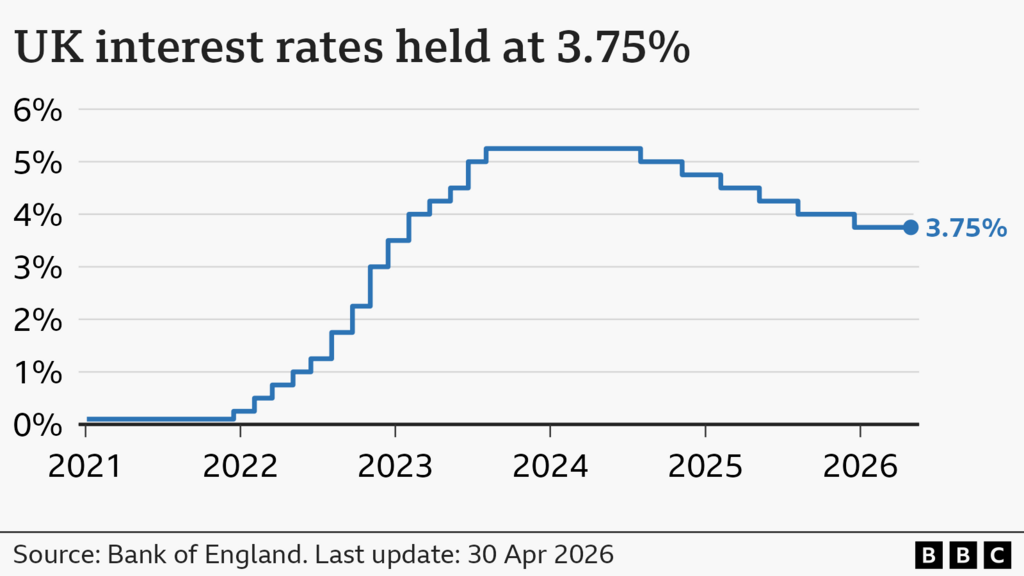
The energy sector also exerted downward pressure on the index. Oil prices fell sharply following reports of an Iranian ceasefire proposal, which eased fears of a wider regional conflict. This led to a 1.9% drop in the shares of BP and a 0.9% fall for Shell. According to Trading Economics, this volatility in commodity prices is a key factor influencing the FTSE's performance. On the upside, publishing firm Pearson was a standout performer, rising over 3% after it reported a 4% increase in first-quarter sales. Drinks giant Diageo also saw its shares climb 0.6% after US President Donald Trump announced a partial relief on tariffs affecting Scotch whisky. The market's performance comes just days after the Bank of England opted to hold interest rates at 3.75% on April 30, while warning that rates may need to rise again if the energy shock from the Middle East conflict translates into sustained domestic inflation, as tracked by market data.
Why It Matters
The market's flat performance, despite some strong individual company results, reveals a deep-seated nervousness among investors. The tug-of-war between positive micro-level corporate news and macro-level geopolitical and economic risks is creating a volatile and unpredictable trading environment. NatWest's decision to prioritise a cautious outlook over its strong profits is telling; it shows that major financial institutions are bracing for potential economic turbulence. The market is currently in a holding pattern, waiting for a clearer signal on the direction of inflation, interest rates, and global energy prices.
The sensitivity of the FTSE 100 to oil prices and Middle East politics underscores the interconnectedness of the global economy. A ceasefire proposal in Iran can have a more significant impact on the London market than a multi-billion-pound profit announcement from a major bank. This highlights the challenges facing investors and policymakers in navigating a world where geopolitical events can instantly upend economic forecasts.
Local Impact
For UK investors and pension holders, the market's current stagnation is a cause for concern after the recent rally. The performance of the FTSE 100 directly impacts the value of millions of people's savings and retirement funds. The warnings from the Bank of England about potential interest rate hikes could also mean higher mortgage and loan costs for households and businesses across the country. The performance of major UK companies like NatWest, BP, and Diageo also has a direct impact on employment and investment within the UK, with their fortunes closely tied to the health of the wider national economy.
What's Next
Market participants will be closely monitoring developments in the Middle East and their impact on oil prices over the coming weeks. The next major domestic event will be the release of the UK's April inflation data, which will be a critical input for the Bank of England's next interest rate decision in June. Investors will also be scrutinising the upcoming slate of corporate earnings reports for further clues about the health of the UK economy and the outlook for corporate profitability.