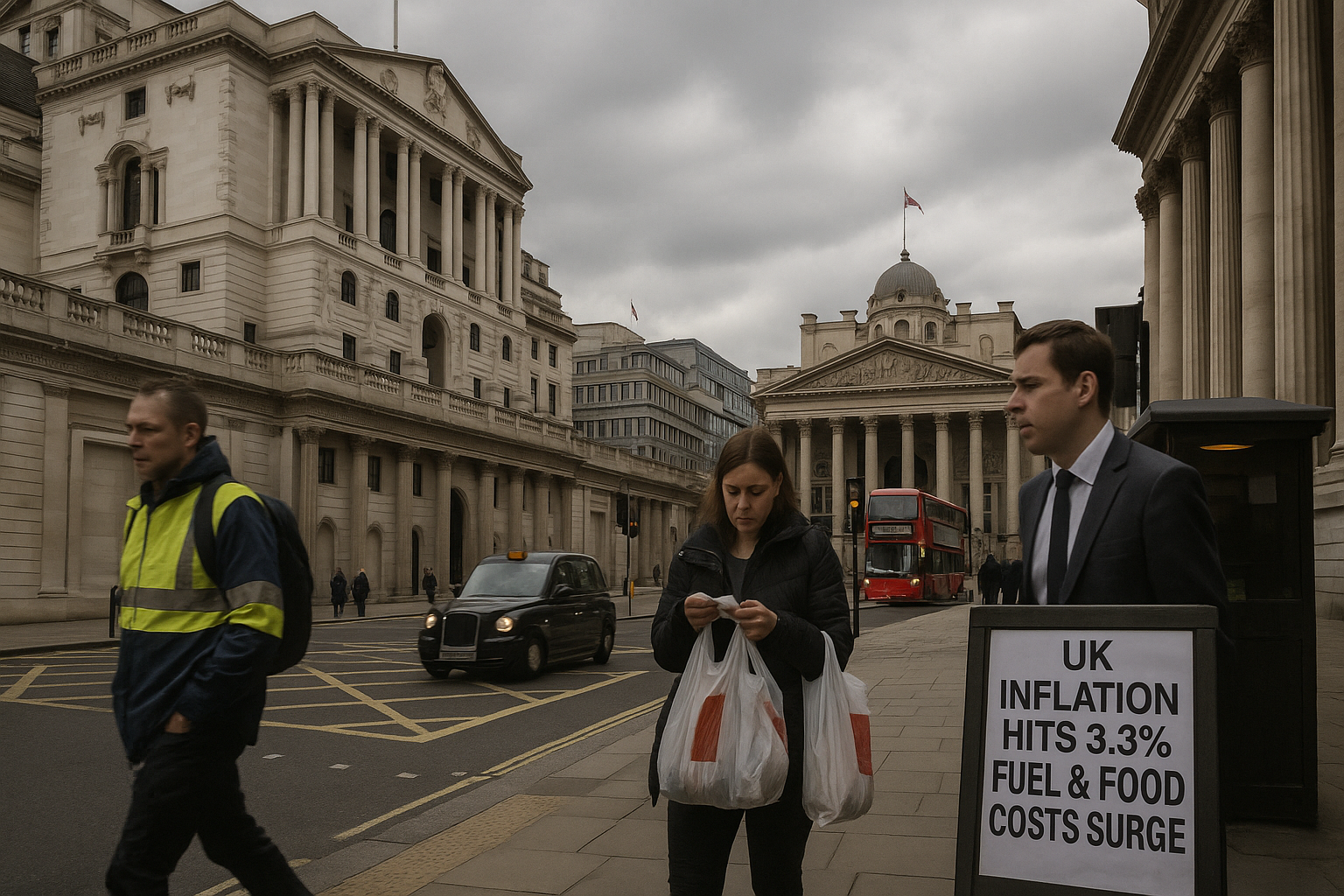
UK Inflation Climbs to 3.3% as Middle East Conflict Drives Up Fuel and Food Prices
The UK's battle with inflation has suffered a significant setback, with the Consumer Prices Index (CPI) unexpectedly climbing to 3.3% in the year to March 2026. The increase, up from 3.0% in February, has been driven by soaring motor fuel prices and rising food costs, both direct consequences of the escalating conflict in the Middle East, dashing hopes of a swift return to the Bank of England's 2% target.Background
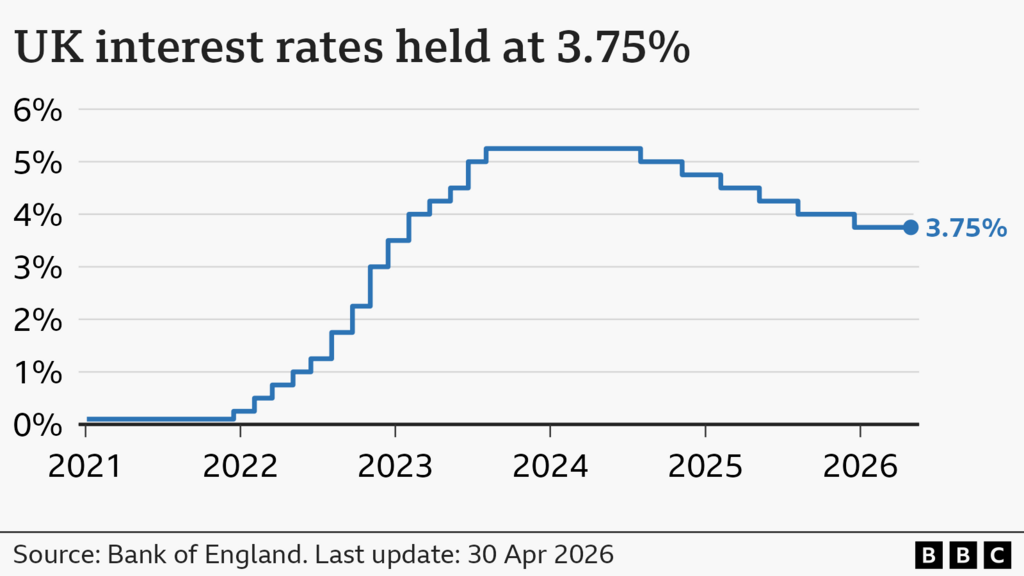
After peaking at over 11% in late 2022, UK inflation has been on a downward trajectory for more than a year, providing much-needed relief to households battered by the cost of living crisis. This decline was driven by the unwinding of post-pandemic supply chain issues and, most significantly, a sharp fall in wholesale energy prices from the record highs seen after Russia's invasion of Ukraine. The Bank of England's aggressive series of interest rate hikes also played a crucial role in taming domestic price pressures. By early 2026, with inflation hovering around the 3% mark, the consensus among economists was that the UK had broken the back of the inflation crisis, and the focus had shifted to when, not if, the Bank of England would begin to significantly cut interest rates to support the sluggish economy.
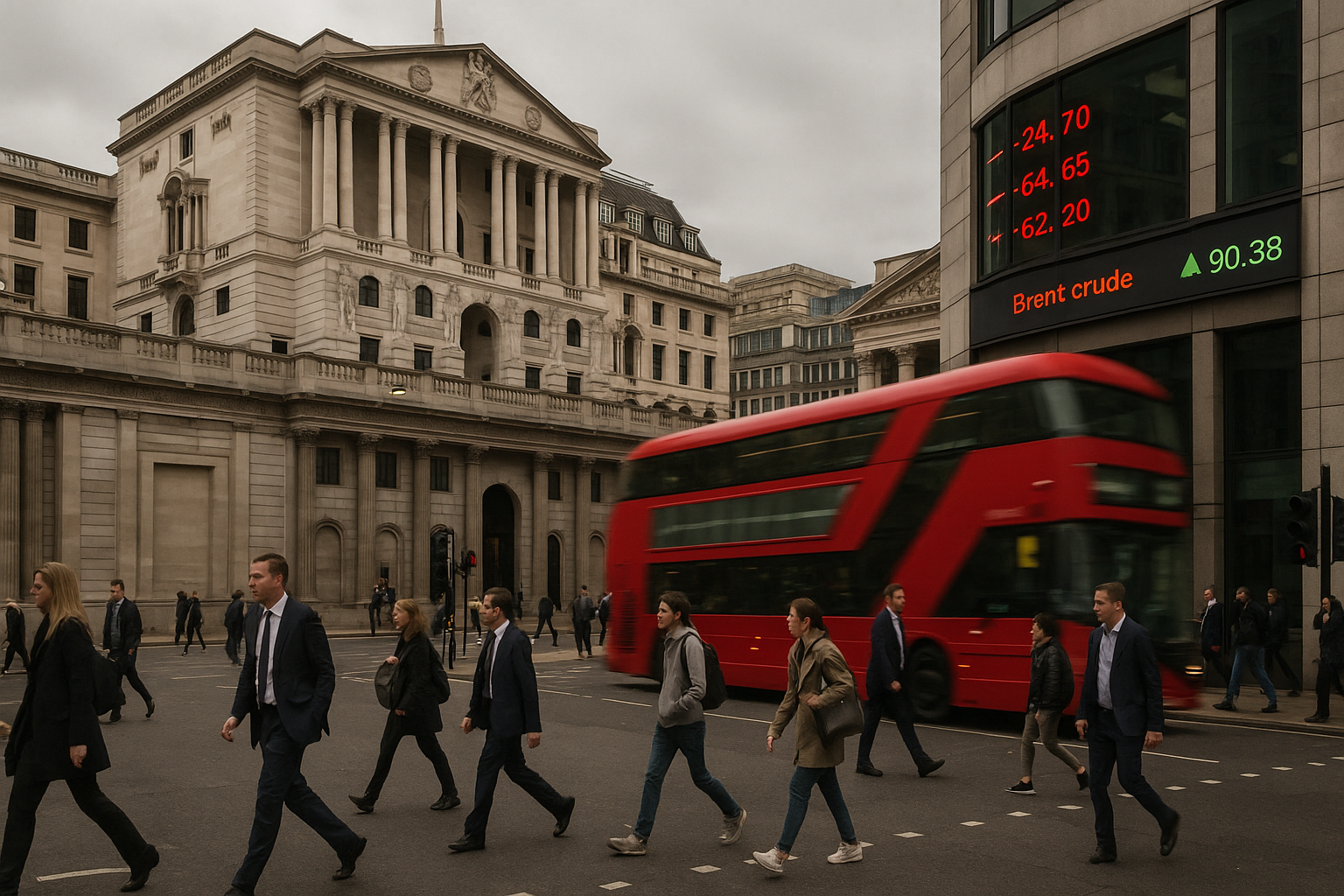
However, this optimistic outlook was predicated on a relatively stable global environment. The sudden eruption of a major conflict in the Middle East in early 2026 has fundamentally altered the global economic landscape. The region is a critical supplier of global oil and gas, and the conflict has led to immediate and severe disruptions to energy markets, pushing the price of Brent crude oil sharply higher. This external shock has introduced a new and powerful inflationary force into the UK economy, threatening to undo much of the progress made over the past year.
Key Developments
Data released by the Office for National Statistics (ONS) showed that the CPI rose by 3.3% in the 12 months to March 2026. The largest upward contributions came from transport, particularly motor fuels, and to a lesser extent, rising airfares. Food prices also contributed to the increase, with the rate of food price inflation ticking up to 3.7%. The House of Commons Library provides extensive background data on inflation trends, illustrating how sensitive the UK headline rate is to volatile components like fuel.
The outlook is grim. The Food and Drink Federation has issued a warning that food price inflation could surge to as high as 10% by the end of 2026 if energy prices remain at their current elevated levels. The macroeconomic impact is already being felt, with both the International Monetary Fund (IMF) and the Organisation for Economic Co-operation and Development (OECD) cutting their UK growth forecasts for 2026 by 0.5 percentage points—the largest downgrade for any major advanced economy. The Resolution Foundation think tank has warned that the UK is now facing a renewed cost of living squeeze, with unemployment, currently at 4.9%, projected to surpass 5.5%, which would be an 11-year high.
Why It Matters
The return of rising inflation is a body blow to the UK economy and the Labour government. It effectively imports a new cost of living crisis at a time when the country has barely recovered from the last one. For households, it means the purchasing power of their wages is once again being eroded, and the cost of essentials like filling up the car and the weekly shop is heading in the wrong direction. For businesses, it means higher operating costs, squeezed profit margins, and uncertainty that deters investment and hiring.
This stagflationary shock—a combination of rising inflation and stagnant or falling economic growth—is the most difficult of all economic problems to solve. It puts the Bank of England in an impossible position: raising interest rates to fight inflation will further damage the economy, while cutting them to boost growth would risk letting inflation spiral out of control. For the government, it is a political nightmare. Having promised economic stability and an end to the chaos of the Conservative years, Keir Starmer's administration is now at the mercy of global events. The prospect of rising unemployment and falling living standards just over a year into its term is a deeply unwelcome development that will be ruthlessly exploited by opposition parties. Unlike the 2022 crisis, which could be blamed on Putin's war, this new shock arrives at a time when the government has had ample time to build economic resilience.
Local Impact
In Northern Ireland and across the UK, the tangible impact will be felt at the petrol pumps and in supermarket aisles. The 3.3% figure is an average, but the inflation rate for low-income households, who spend a larger proportion of their income on energy and food, will be significantly higher. This renewed squeeze on living standards will increase demand on food banks and debt advice charities, which are already stretched to breaking point. For the Northern Ireland economy, which has a large number of small, family-run businesses, the combination of rising costs and the prospect of higher interest rates is a recipe for distress and potential insolvencies. The political frustration over the dormant Stormont Executive will only be exacerbated as people see no local political leadership to address this new economic crisis.
What's Next
The government and the Bank of England will be anxiously awaiting the next set of inflation figures for April, to be released in late May. These will be crucial in determining whether the March increase was a one-off spike or the beginning of a new upward trend. The Bank of England's Monetary Policy Committee will meet in June to decide on interest rates, with a rate hike now a distinct possibility. The Chancellor of the Exchequer may be forced to consider further fiscal support for households and businesses if the situation deteriorates, though his options are limited by the UK's already high levels of public debt.