UK Housing Market Shows Signs of Stabilisation as Mortgage Rate Hopes Grow
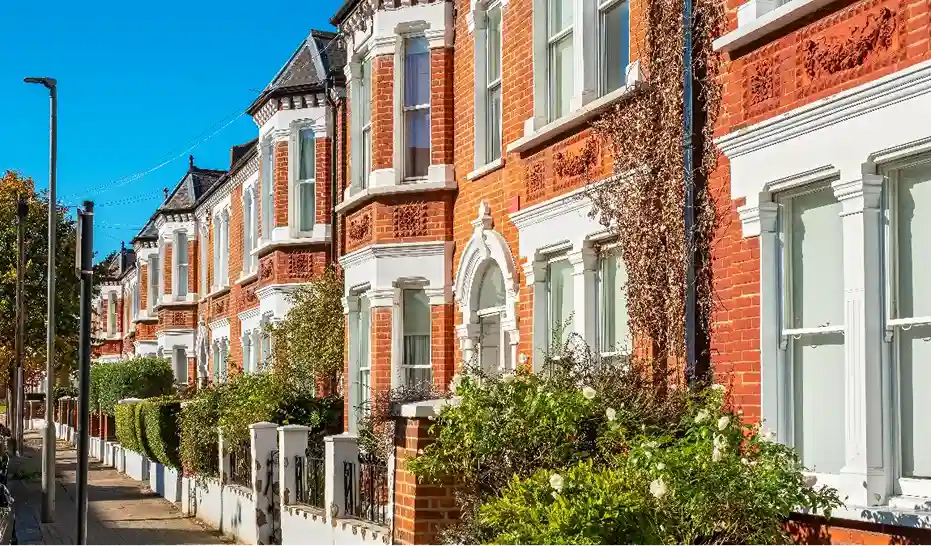
The UK housing market, which has been in the doldrums for the best part of two years, is finally showing signs of stabilisation, with growing expectations of a fall in the Bank of England’s base rate later this year offering a glimmer of hope to prospective homebuyers. After a period of significant price falls, particularly in London, there is a growing sense that the market may have bottomed out, although a full-blown recovery is not yet on the cards.
Background
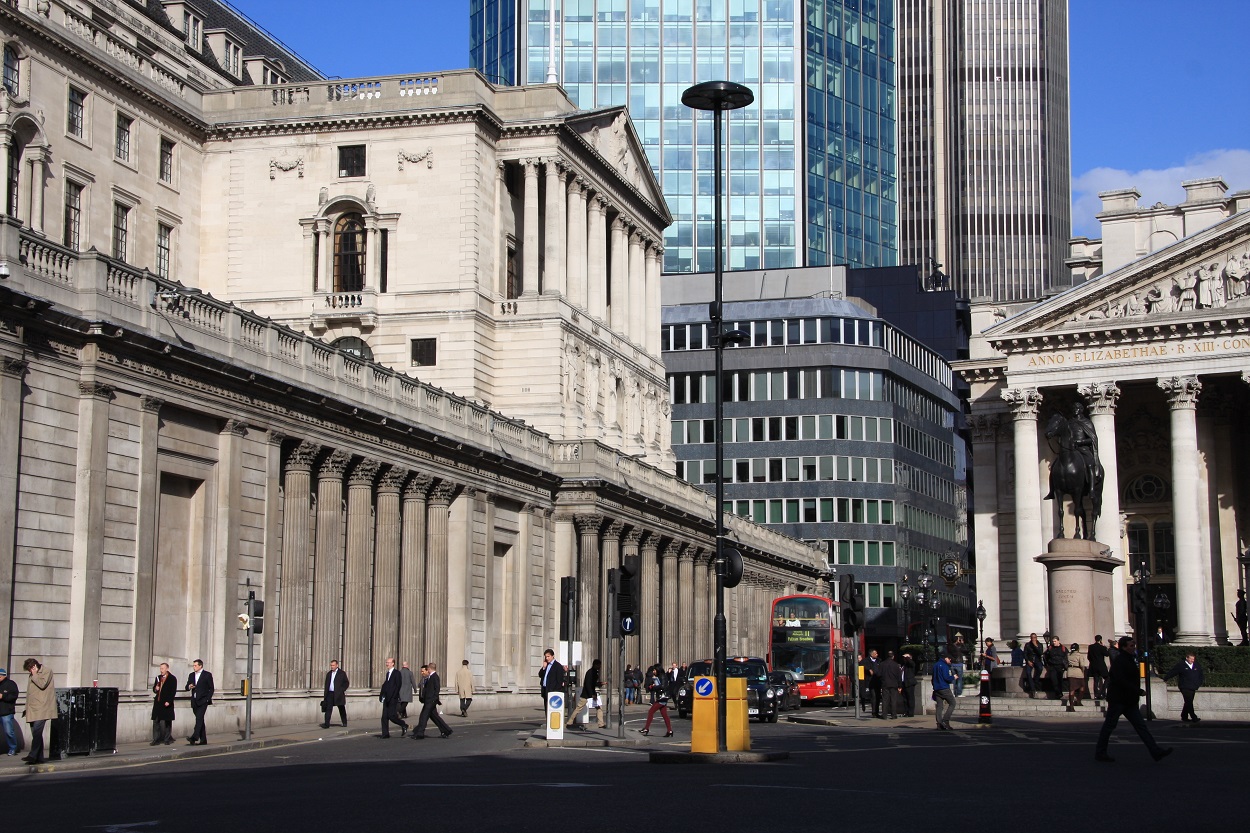
The UK housing market has been on a rollercoaster ride in recent years. The Covid-19 pandemic sparked a mini-boom, with prices soaring as people sought more space and took advantage of the stamp duty holiday. However, the subsequent surge in inflation and the Bank of England’s aggressive interest rate hikes brought the party to an abrupt end. Mortgage rates soared, affordability was stretched to breaking point, and house prices began to fall. The London market was particularly hard-hit, with home sales falling to a 20-year low in 2024.
Key Developments
Now, however, there are signs that the market is starting to turn a corner. The latest data from a number of property market analysts suggests that the pace of price falls is slowing, and in some areas, prices are even starting to edge up again. A key factor behind this newfound stability is the growing expectation that the Bank of England will start to cut its base rate later this year. While the Bank held rates at 3.75% at its latest meeting, the markets are still pricing in at least one rate cut by the end of the year. This has led to a fall in swap rates, which are used by lenders to price their fixed-rate mortgages, and some experts are now forecasting that mortgage offers in the “twos” could be available by the summer of 2026. This would provide a significant boost to affordability and could tempt many would-be buyers back into the market. However, it is not all good news. A persistent shortage of new homes remains the root cause of the UK’s affordability crisis, and while wage growth has recently outpaced house price rises, property values remain at historically high levels. The London market, in particular, is expected to see only modest growth of between 0% and 3% in 2026. A new “mansion tax” on properties over £2 million, which is due to be introduced in 2028, could also have a cooling effect on the top end of the market, although it may also have the unintended consequence of freeing up larger family homes. For more on the London property market, see the analysis from the Evening Standard.
Why It Matters
The health of the housing market is a key indicator of the health of the wider economy, and a stable and functioning property market is essential for social mobility and economic prosperity. The recent downturn in the market has had a significant impact on the construction industry, the financial services sector, and a wide range of other businesses that are dependent on the housing market. A recovery in the market would provide a welcome boost to the economy and could help to underpin a broader economic recovery. However, the long-term challenges facing the UK housing market, including the shortage of new homes and the crisis of affordability, will not be solved overnight. A sustained period of investment in new housing, coupled with a more stable and predictable interest rate environment, will be needed to put the market on a more sustainable footing. As The Guardian reports, the future of the housing market is closely linked to the future of the UK economy as a whole.
Local Impact
The housing market is a deeply local issue, and the picture varies significantly from one part of the country to another. While the London market has been particularly volatile, other parts of the country have seen more modest price falls and are now showing stronger signs of recovery. The affordability crisis is also a national problem, but it is felt most acutely in London and the South East, where prices are highest. The shortage of new homes is a particular problem in areas with high population growth, and it is putting a significant strain on local infrastructure and public services. The government has set ambitious targets for housebuilding, but it has so far failed to meet them, and a new approach is urgently needed to address this long-standing problem.
What's Next
The future of the UK housing market will depend on a number of factors, including the path of interest rates, the strength of the economy, and the government’s housing policies. If the Bank of England does start to cut rates later this year, it could provide a significant boost to the market, but a full-blown recovery is unlikely until there is a sustained increase in the supply of new homes. The government is under pressure to come up with a credible plan to address the housing crisis, and the issue is likely to be a key battleground at the next general election. For now, the market remains in a state of flux, but there are at least some signs that the worst may be over.