Ireland's New Home Builds Hit 15-Year High as Housing Crisis Persists
The number of new homes being built in Ireland has hit a 15-year high, according to new data from the Central Statistics Office (CSO), but the country’s chronic housing crisis is far from over. While the increase in construction activity is a welcome development, the supply of new homes is still falling well short of demand, and prices and rents continue to rise at an alarming rate.
Background
Ireland has been in the grip of a housing crisis for the best part of a decade. A combination of factors, including a rapidly growing population, a lack of investment in new housing, and a dysfunctional planning system, has led to a severe shortage of affordable homes. The crisis has had a devastating impact on individuals and families across the country, with many people being forced to live in overcrowded or unsuitable accommodation, or to pay exorbitant rents. The government has made tackling the housing crisis a top priority, but its efforts have so far failed to make a significant dent in the problem.
Key Developments
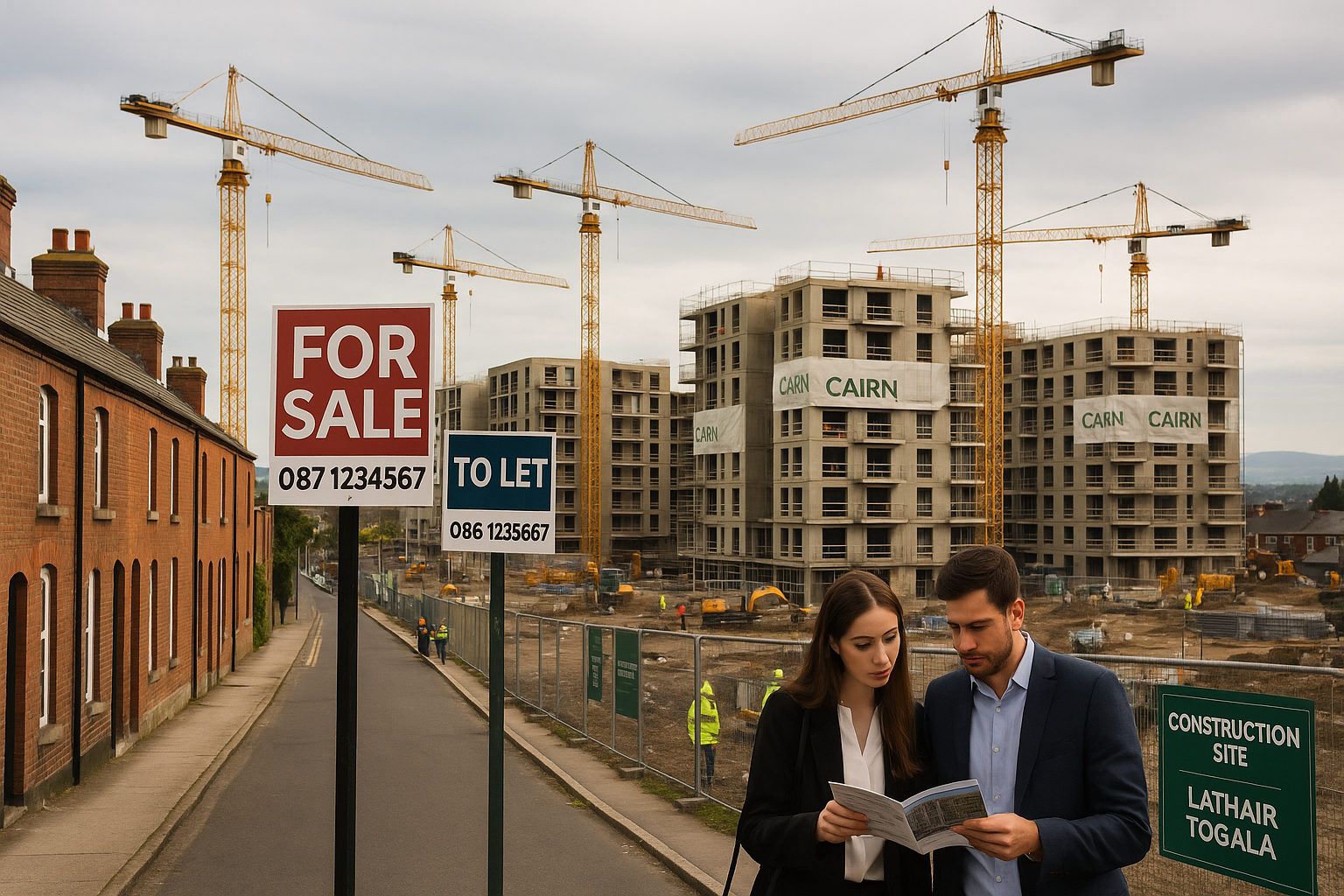
The latest CSO data, published on April 30, shows that there were 7,856 new dwelling completions in the first quarter of 2026, a 32.9% increase on the same period last year and the highest first-quarter figure since 2011. The increase was driven by a surge in the construction of apartments, which were up 33.3% year-on-year, as well as a strong performance in the scheme and single dwelling sectors. The Dublin region accounted for over 30% of all completions, while the border region saw a particularly strong increase of 58%. However, despite this welcome increase in supply, the number of new homes being built is still well below the estimated annual demand of between 45,000 and 50,000. Davy chief economist Kevin Timoney described the growth as “strong” but noted that it was below his forecast of 9,660, with adverse weather in February being a contributing factor. The median house price in Ireland now stands at €381,000, and the government has extended the Help-to-Buy scheme, which provides financial assistance to first-time buyers, until 2029 in an effort to improve affordability. For more on this story, see the report from The Irish Times.
Why It Matters
The housing crisis is one of the biggest social and economic challenges facing Ireland today. The lack of affordable housing is a major barrier to social mobility, and it is having a corrosive effect on the fabric of Irish society. The crisis is also a major drag on the economy, with the high cost of housing making it difficult for businesses to attract and retain staff. The government is under intense pressure to address the crisis, and its failure to do so could have serious political consequences. The issue is likely to be a key battleground at the next general election, and the party that can convince voters that it has a credible plan to solve the crisis will be in a strong position. As Investropa reports, the future of the Irish economy is closely linked to the future of its housing market.
Local Impact
The housing crisis is being felt in every corner of Ireland, but it is particularly acute in Dublin and other urban areas. The high cost of housing is forcing many people to move further and further away from their places of work, leading to long commutes and a decline in the quality of life. The crisis is also having a major impact on the rental market, with rents soaring and the number of available properties at an all-time low. The government has introduced a number of measures to try and control rents, but these have had limited success. The lack of affordable housing is also having a major impact on essential services, with schools, hospitals, and other public services struggling to recruit and retain staff.
What's Next
The Irish government has set ambitious targets for housebuilding, but it is clear that a new approach is needed if the housing crisis is to be solved. A number of experts have called for a major state-led housebuilding programme, similar to the one that was implemented in the 1950s and 1960s. Others have called for a radical overhaul of the planning system, which is seen as a major barrier to new development. The government has so far been reluctant to embrace these more radical solutions, but it is coming under increasing pressure to do so. The one thing that is certain is that the housing crisis is not going to go away on its own, and a concerted and sustained effort will be needed to address this long-standing problem.
%20(6)-Nov-26-2025-02-12-55-8074-PM.png)