Bank of England Holds Interest Rates at 3.75% as Iran Conflict Reignites Inflation Fears
The Bank of England's Monetary Policy Committee (MPC) has voted to maintain the base interest rate at 3.75%, resisting pressure to act despite a worrying resurgence in inflation driven by escalating conflict in the Middle East. The decision, made on Thursday, 30th April 2026, was widely anticipated by markets but underscores the perilous tightrope the Bank is walking between controlling rising prices and nurturing a fragile economy. With Brent crude oil prices surging past the $100 per barrel mark and European wholesale gas prices jumping by approximately 60%, the spectre of stagflation looms larger over the United Kingdom.
Background
Today's decision follows a period of relative stability, after the MPC voted unanimously to hold the rate at the same level in its March meeting. That decision was taken in a climate of cautious optimism, with inflation having trended downwards from its peak in late 2024. The Bank had embarked on a series of aggressive rate hikes throughout 2023 and early 2024 to combat the post-pandemic surge in the cost of living, a strategy that appeared to be bearing fruit as headline inflation figures began to recede. The primary goal has been to steer the Consumer Price Index (CPI) back towards its mandated 2% target, a goal that seemed within reach just a few months ago.
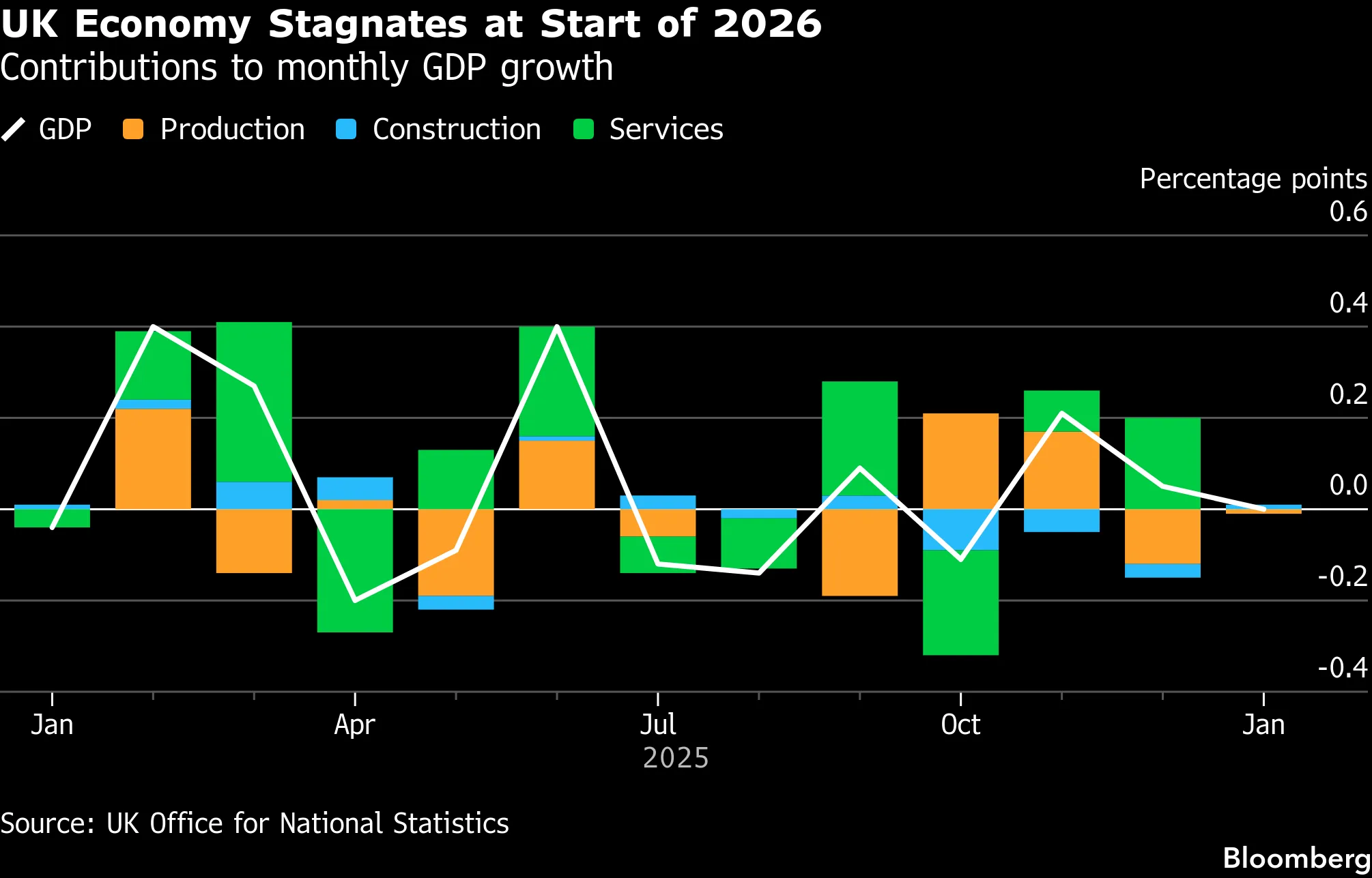
However, the economic landscape has shifted dramatically in recent weeks. The eruption of a significant conflict involving Iran has sent shockwaves through global energy markets, reversing the downward trend in fuel costs that had provided much-needed relief to British households and businesses. This external shock has arrived at a moment of acute vulnerability for the UK economy, which has shown negligible growth over the past six months. The MPC is therefore caught in a classic policy bind: raising rates to counter the new inflationary wave risks tipping the stagnant economy into a full-blown recession, while holding them steady could allow price pressures to become embedded.
The nine-member committee, chaired by Governor Andrew Bailey, has been keen to project an image of unity and resolve. Yet, beneath the surface, a debate has been raging. The minutes from previous meetings, including the summary of the March 2026 meeting, reveal a committee acutely aware of the risks on both sides. The challenge is not just managing the immediate "first-round" effects of higher energy prices, but also preventing them from triggering a "second-round" wage-price spiral.
Key Developments
The most significant factor influencing the MPC's decision is the alarming reversal in the UK's inflation trajectory. The latest data from the Office for National Statistics showed that the Consumer Price Index (CPI) rose to 3.3% in March, a marked increase from the previous month and a clear move away from the 2% target. This was driven almost entirely by the surge in global energy prices following the outbreak of hostilities in the Middle East. The Bank's own analysis acknowledges that this external pressure is likely to persist for several months, keeping inflation elevated throughout the remainder of 2026.
In its official statement, the Bank confirmed it is monitoring these "second-round effects" with extreme vigilance. There is a palpable fear that the renewed inflation could reignite higher wage demands, complicating the path back to price stability. While most economists had predicted the Bank would hold rates this month, a minority believed that more hawkish policymakers on the committee might push for an immediate increase to 4%, in a bid to signal their determination to fight inflation. Former Bank of England chief economist Andy Haldane commented earlier in the week that the UK's subdued economic growth necessitates a move towards lower, not higher, rates. Meanwhile, the uncertainty is already being felt by consumers, with several major lenders beginning to tick up their mortgage rates in anticipation of a "higher for longer" interest rate environment. Further context is available from the House of Commons Library's interest rate briefing.
Why It Matters
Today's decision to hold interest rates is far more than a technical adjustment; it is a statement about the severe constraints facing the UK economy. The Bank of England is effectively trapped between a rock and a hard place. On one hand, its core mandate is to control inflation, and the recent spike to 3.3% demands a firm response. Allowing inflation to drift further from the 2% target risks un-anchoring public expectations and leading to the kind of persistent, corrosive price increases that plagued the economy in previous decades. This would erode savings, punish the poorest households, and create a volatile environment for businesses. On the other hand, the economy is crying out for stimulus. With GDP growth flatlining and unemployment ticking upwards, raising borrowing costs could be the final straw that pushes the country into a recession. The MPC's decision to wait and see is a gamble that the current inflationary shock will prove temporary. It highlights the diminishing power of central banks to control events when faced with major geopolitical shocks that are entirely outside their sphere of influence.
Local Impact
For ordinary Britons, the MPC's decision offers little immediate relief. The primary concern for millions of households is the rising cost of borrowing. Homeowners on variable-rate mortgages or whose fixed-rate deals are coming to an end will face higher monthly repayments as lenders have already begun to price in the expectation that rates will not be cut any time soon. This will squeeze household budgets that are already under pressure from high energy bills and food prices. First-time buyers will also find it harder to get onto the property ladder as affordability criteria become stricter. For local businesses, the decision creates further uncertainty. While the cost of borrowing has not increased today, the prospect of future hikes and the general weakness of the economy will make many firms hesitant to invest or hire new staff.
What's Next
All eyes will now be on the incoming economic data. The Bank of England has made it clear that its future decisions will be data-dependent. The MPC will be closely watching the next set of inflation figures, as well as labour market data and GDP growth estimates. If inflation continues to surprise to the upside or if there is evidence of a wage-price spiral taking hold, the pressure to raise rates at the next meeting in June will become immense. The geopolitical situation in the Middle East remains the largest unknown. A de-escalation of the conflict could see energy prices fall, providing the Bank with the breathing room it needs. However, a further escalation would almost certainly force the MPC's hand.