Bank of England Holds Interest Rates at 3.75% But Warns of Further Rises Amid Energy Crisis
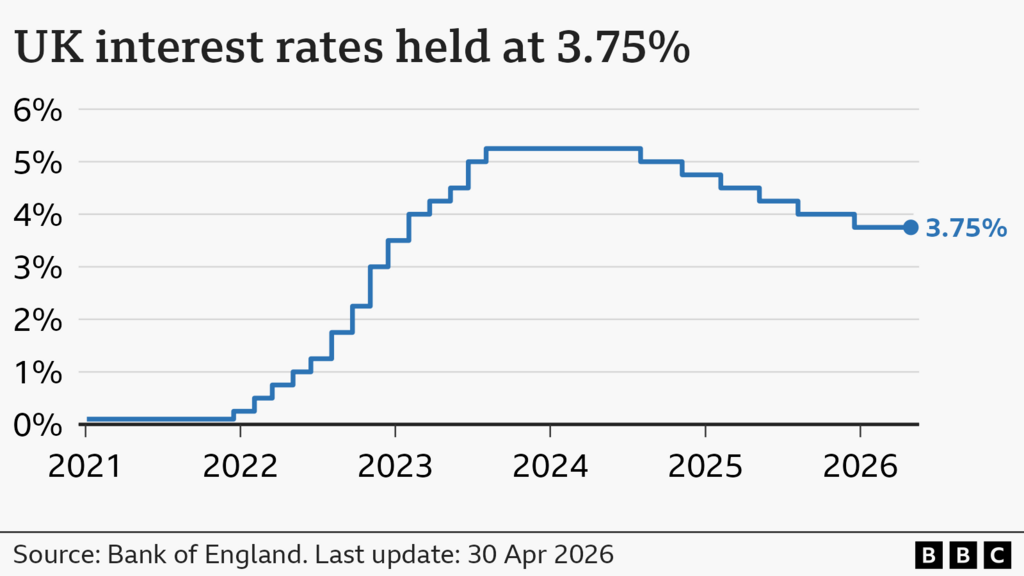
The Bank of England's Monetary Policy Committee (MPC) has voted to hold the UK's base interest rate at 3.75%, pausing a cycle of cuts that began in mid-2024. However, the Bank issued a stark warning that it is 'ready to act' with further rate hikes later in the year if inflationary pressures, driven by a deepening global energy crisis, continue to build.
Background
The UK economy has been navigating treacherous waters for several years. After a period of sharp rate hikes to combat the post-pandemic inflationary surge, the Bank of England began a cautious cycle of monetary easing in the summer of 2024 as the economy cooled. The base rate was incrementally lowered from a peak of 4.5% to 3.75% in a bid to stimulate growth. This strategy, however, is now being severely tested by a fresh wave of external shocks. The primary driver of concern is the global energy market, which has been thrown into turmoil by the escalating conflict in Iran, a major oil and gas producer.
The geopolitical instability in the Middle East has caused wholesale gas and oil prices to spike to levels not seen since the crisis of 2022. This external price shock is feeding directly into the UK economy, threatening to reignite the high inflation that the Bank has worked so hard to bring under control. The MPC is now faced with a classic monetary policy dilemma: raising rates to fight inflation risks tipping a fragile economy into recession, but failing to act could allow inflation to become entrenched, leading to a more painful economic correction down the line. This difficult balancing act formed the context for the MPC's latest, and highly anticipated, decision.
Key Developments
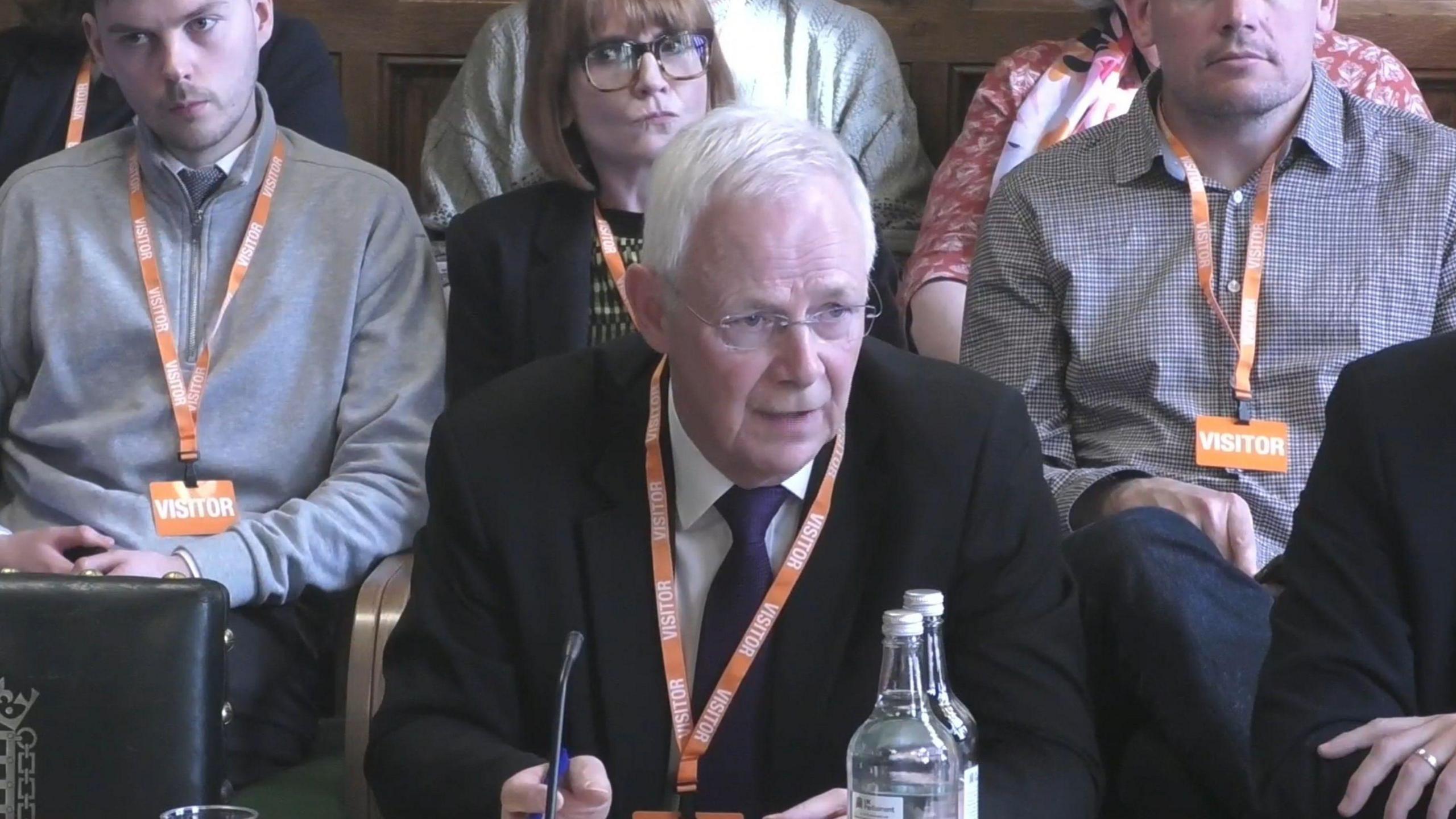
The decision to hold rates at 3.75% was passed by a narrow majority on the nine-member committee. The minutes of the meeting revealed a split, with some members favouring an immediate rate rise to get ahead of the inflationary curve. In his statement following the announcement, Bank of England Governor Andrew Bailey stressed that the decision was a pause, not a pivot. 'We are in a period of heightened vigilance,' he stated. 'While the pause gives us time to assess the impact of the developing energy crisis, let me be clear: we will not hesitate to act forcefully if the evidence suggests more persistent inflationary pressures are emerging.'
The Bank's primary concern is the potential for 'second-round effects'. This is where the initial shock of higher energy prices leads to workers demanding higher wages to compensate, and businesses raising their prices to protect profit margins, creating a dangerous wage-price spiral. The Bank's latest forecast now projects that headline inflation, which had been falling, will rise again in the latter half of the year. Governor Bailey offered a sober assessment, warning that the Bank 'cannot entirely shield households' from the impact of rising global energy costs, a clear signal that consumers should brace for higher bills and borrowing costs in the near future.
Why It Matters
The Bank of England's decision and accompanying commentary signal a potential turning point for the UK economy. The era of falling interest rates appears to be over, and households and businesses must now prepare for a period of tighter monetary policy. This has significant implications for millions of mortgage holders, particularly those on variable rate or short-term fixed deals, who could see their monthly payments rise sharply. For businesses, higher borrowing costs could stifle investment and expansion plans, acting as a further brake on economic growth. The Bank is effectively sacrificing short-term growth to prevent the long-term damage of entrenched inflation.
This move also places the UK central bank in a similar position to its counterparts in the United States and Europe, who are all grappling with the same inflationary pressures emanating from the energy markets. The coordinated hawkish tone from central bankers globally suggests a collective determination to prevent a repeat of the 1970s, a decade defined by runaway inflation. However, the risk of policy error is high. If central banks move too aggressively, they could trigger a deep and synchronised global recession. The Bank of England is walking a tightrope, and its decisions over the coming months will be critical in determining the UK's economic trajectory for years to come.
Local Impact
The prospect of further interest rate rises will cast a shadow over households and businesses across the country. In areas with high levels of homeownership and mortgage debt, such as the commuter belts around London and other major cities, even a small increase in rates can have a significant impact on disposable income, leading to reduced spending in the local economy. For regions heavily reliant on manufacturing or construction, higher borrowing costs can make firms less competitive and lead to job insecurity. The warning from Governor Bailey about not being able to shield households will be felt most keenly by those on lower and fixed incomes, who spend a higher proportion of their budget on essentials like energy and food, and who will face a renewed cost of living squeeze.
What's Next
June 2026: The next inflation data from the Office for National Statistics will be crucial. A higher-than-expected figure will increase the probability of a rate rise at the MPC's next meeting.
August 2026: The MPC's next scheduled interest rate decision and monetary policy report. Financial markets are currently pricing in a high likelihood of a 0.25% rate increase at this meeting.
Autumn 2026: The government's Autumn Statement will reveal its fiscal response to the crisis, which will have a significant bearing on the Bank's future decisions.
Winter 2026/27: The evolution of the conflict in Iran and its impact on global energy prices will be the single biggest factor influencing the Bank's policy path through the winter.
This story was first reported in the Financial Times. For ongoing analysis, consult resources from institutions like the Bank of England itself.