Bank of England Holds Interest Rates at 3.75% as Oil Price Shock Threatens UK Economy
The Bank of England has held interest rates steady for the third consecutive time, leaving the Bank Rate at 3.75% amidst growing fears that a new oil price shock, driven by conflict in the Middle East, could derail the UK's fragile economic recovery. While the hold was expected, the Bank issued a stark warning that rate hikes could be back on the table if energy prices continue to surge.Background
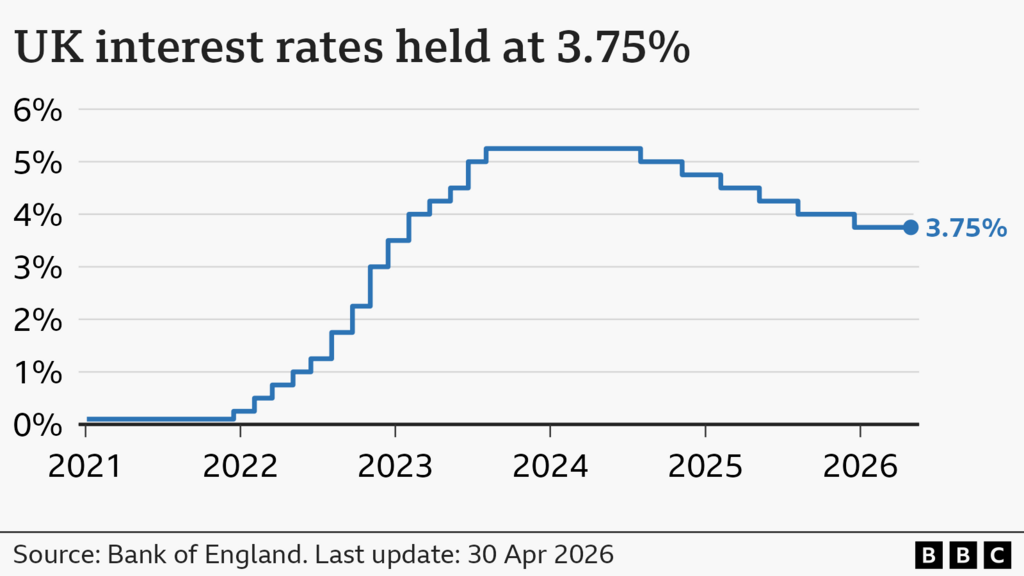
The Monetary Policy Committee (MPC) of the Bank of England is tasked with maintaining price stability, defined by the government's 2% inflation target. Its primary tool for achieving this is the Bank Rate, the interest rate at which it lends to commercial banks, which in turn influences borrowing costs across the entire economy. Between late 2021 and mid-2024, the UK experienced a dramatic cycle of monetary tightening as the Bank battled a surge in inflation that peaked in double digits, driven by post-pandemic supply chain disruptions and the energy price spike following Russia's invasion of Ukraine. The Bank Rate was aggressively hiked from a historic low of 0.1% to a peak of over 5%.
Beginning in August 2024, as inflation began to fall back towards its target, the MPC embarked on a series of rate cuts to ease the pressure on households and businesses and support economic growth. Six successive cuts brought the Bank Rate down from its peak to 3.75% by December 2025. The prevailing wisdom at the start of 2026 was that this easing cycle would continue, with rates potentially falling below 3% by the end of the year. However, this calculus has been thrown into disarray by a fresh geopolitical crisis in the Middle East, which has triggered a significant and sustained increase in global oil prices.
Key Developments
At its meeting concluding on 30 April 2026, the MPC voted 8-1 to maintain the Bank Rate at 3.75%. The decision was accompanied by a hawkish statement reflecting the Committee's growing anxiety over the inflationary impact of rising oil prices. The single dissenting member voted for an immediate 0.25 percentage point increase, a clear signal of the pressure to resume tightening. According to the official Bank of England Monetary Policy Report, the committee noted that while current inflation was behaving as expected, the risks from geopolitical developments had increased significantly.
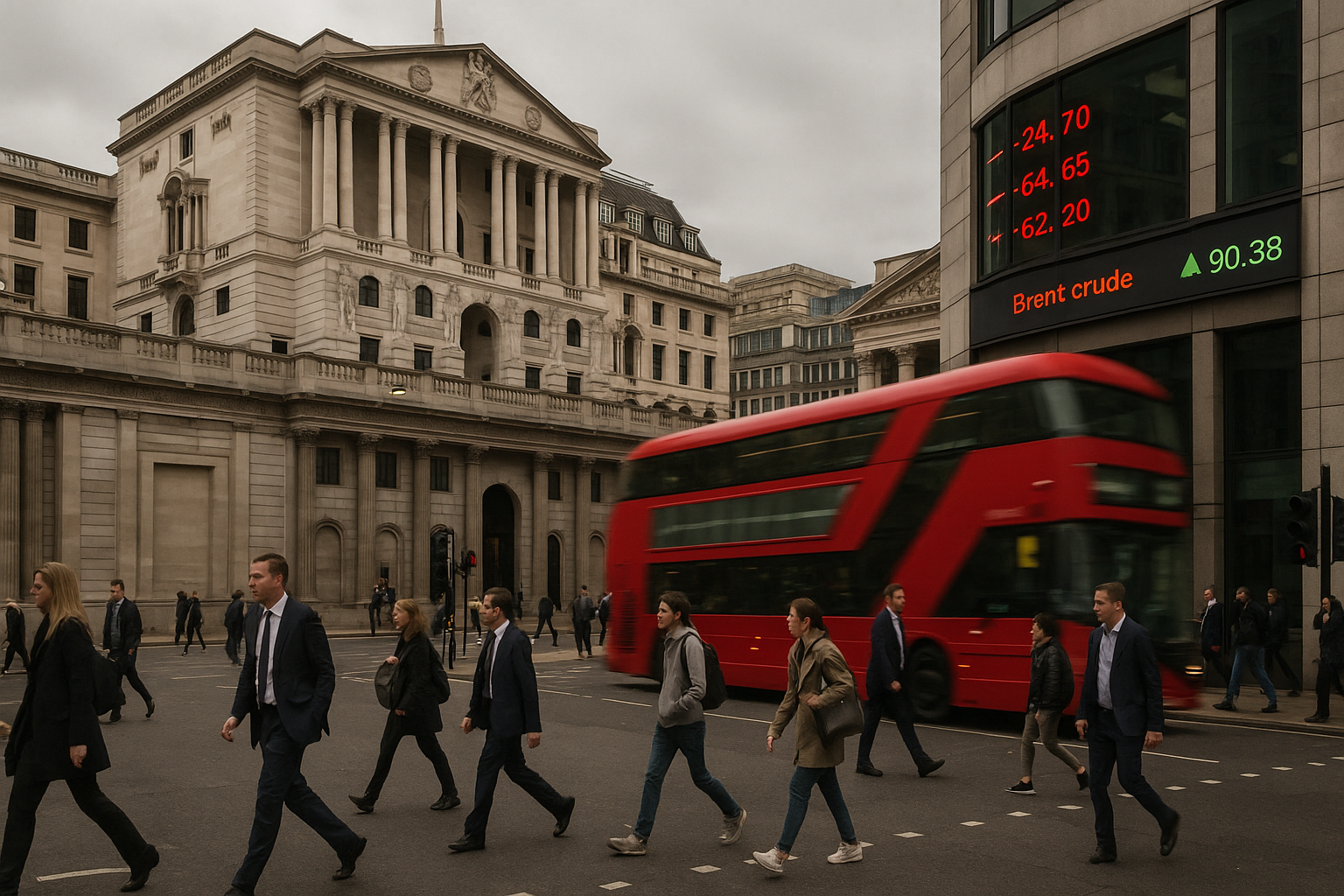
The Bank's analysis presented a deeply worrying worst-case scenario. If the Middle East conflict were to escalate further, pushing the price of a barrel of oil consistently above $130, the consequences for the UK economy would be severe. Under this scenario, the Bank projects that CPI inflation would surge back to a peak of 6% in early 2027. This would likely force the MPC into a painful U-turn, hiking interest rates back up to 5.25% or higher to bring inflation under control, pushing unemployment up to 5.6%. As reported by The Guardian, economists are now pricing in a much lower probability of further rate cuts in 2026.
Why It Matters
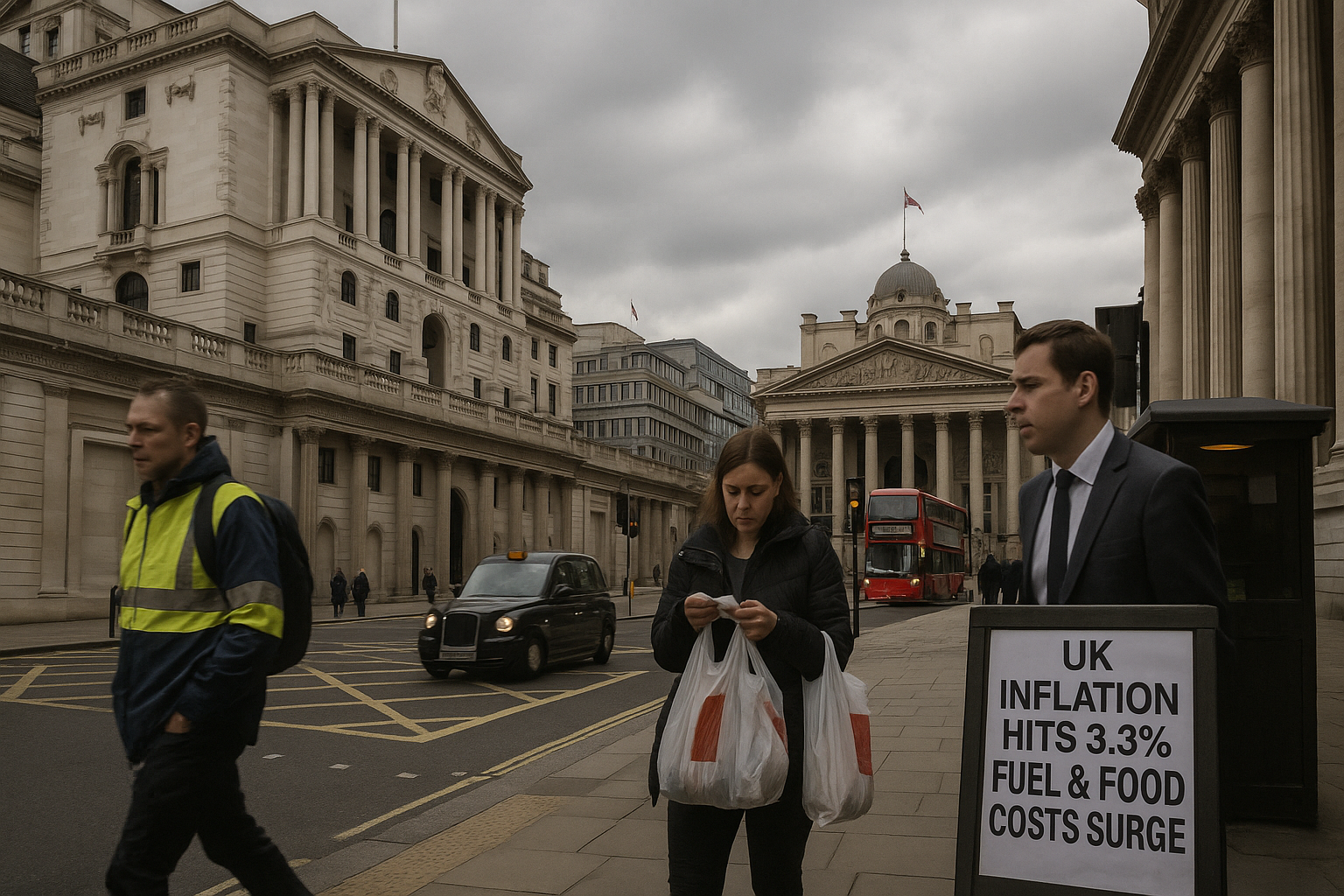
The MPC's decision and its stark warning underscore the UK economy's extreme vulnerability to external global shocks. After a brutal cost of living crisis, households and businesses were just beginning to feel the relief of falling inflation and lower borrowing costs. The prospect of a second inflationary wave, driven this time by oil prices rather than natural gas, is a nightmare scenario for the government and the public alike. It would mean renewed pressure on household budgets through higher petrol and energy bills, increased costs for businesses, and a return to more expensive mortgages and loans.
This situation creates an acute dilemma for the Bank of England. If it raises rates to combat the imported inflation from oil prices, it risks tipping the domestic economy into a recession. However, if it fails to act and allows inflation to become embedded in the economy again, it could lead to a more damaging, long-term economic crisis. Unlike the 2022 energy shock, which was primarily driven by natural gas prices, this new shock is centred on oil, which has a broader and more immediate impact on transport costs and food prices. The decision highlights the difficult trade-offs facing central bankers in a volatile world, where geopolitical events thousands of miles away can have a direct and painful impact on the financial well-being of ordinary people in the UK.
Local Impact
In Northern Ireland, the impact of a renewed surge in fuel prices would be particularly acute. The region has a higher-than-average reliance on private cars for transport due to its more dispersed population and less extensive public transport network. Higher prices at the pump therefore have a disproportionate effect on household budgets. Furthermore, the agri-food and haulage industries, both vital to the local economy, are heavily dependent on fuel, meaning a sustained oil price shock would rapidly translate into higher food prices and increased business costs. The prospect of further interest rate hikes would also be a major blow to the local housing market and small businesses, which are the backbone of the Northern Ireland economy. Across the rest of the UK, from Cornwall to the Scottish Highlands, the same pressures will be felt.
What's Next
The MPC's future decisions will be almost entirely dependent on two factors: the price of oil and incoming UK inflation data. The committee will be watching the geopolitical situation in the Middle East with extreme nervousness. The next monthly inflation data from the Office for National Statistics (ONS) will be scrutinised for any signs that higher energy costs are feeding through into the wider economy. The next MPC interest rate decision is scheduled for 19 June 2026. Between now and then, every speech by a committee member will be analysed for clues about the Bank's direction of travel.