FTSE 100 Enters Correction Territory as Iran War Drives UK Energy Bills Towards £2,000
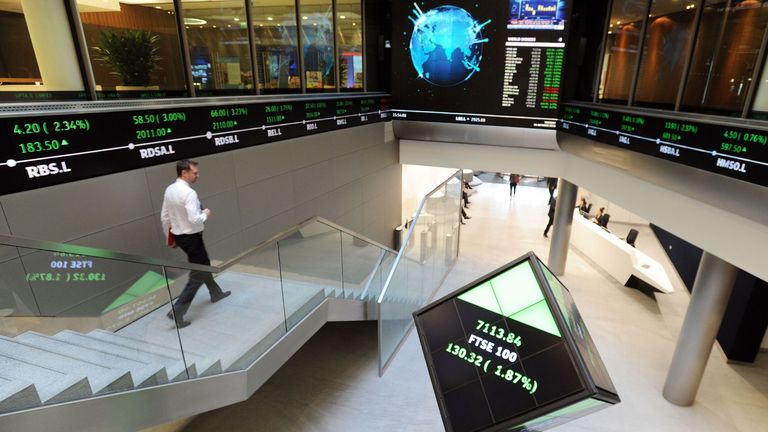
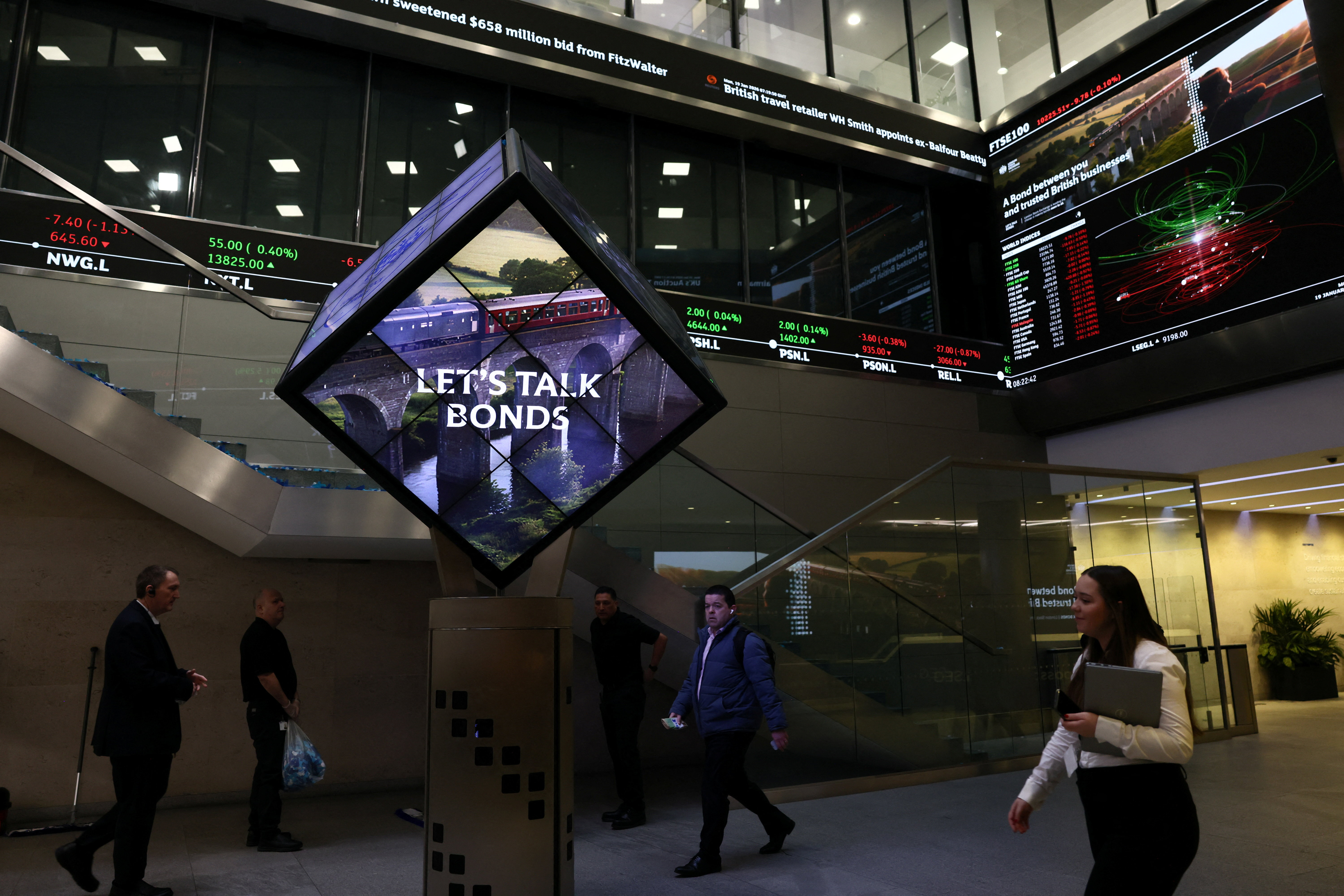
The FTSE 100 has fallen into correction territory — down more than 10% from its February peak — as the ongoing conflict in the Middle East continues to drive up oil prices, push UK government borrowing costs to their highest level since 2008, and send household energy bills towards £2,000 a year from July.
The index, which reached a record high of 10,934.94 on 27 February 2026, has shed significant value in the weeks since the United States launched military operations against Iran, with the conflict disrupting global oil and gas supply and triggering a wave of risk-off sentiment across financial markets.
Background
The FTSE 100 had enjoyed a strong start to 2026, breaching the 10,000-point mark for the first time on 2 January, a milestone hailed by Chancellor Rachel Reeves as a "vote of confidence in Britain's economy." The index had gained over 21% in 2025, outperforming major US indices. However, the outbreak of the Iran war at the end of February triggered a sharp reversal, with the index losing all its 2026 gains by 20 March, when it closed at 9,918 points — its lowest level since December 2025.
Key Developments
By 1 April, the FTSE 100 was down 10% from its February peak, placing it firmly in correction territory. Among the hardest-hit stocks are UK housebuilders, with Barratt Redrow and Persimmon both down approximately 30% from their 2026 highs, as rising interest rates reduce mortgage affordability. Private equity firm 3i saw its shares fall 19% in a single day and is down 27% since January.
The Bank of England has warned that the Iran war shock is intensifying risks to the financial system and is likely to hit economic growth. UK government borrowing costs have surged, with the yield on 10-year gilts surpassing 5% — the highest level since 2008. Money markets are pricing in as many as three interest rate rises in 2026, which would push fixed mortgage rates towards 6%.
Household energy bills are forecast to rise to almost £2,000 a year from July under the UK government's quarterly price cap, an 18% increase driven by higher wholesale prices linked to the conflict. Analysts warn that further increases are possible if geopolitical tensions persist.
Why It Matters
The combination of rising energy bills, higher mortgage costs, and stagnant economic growth is squeezing UK household finances at a time when real household disposable income is already declining. Office for National Statistics data indicates that real household disposable income fell by 1.2% in 2025, signalling weaker consumer spending and increasing financial strain on families across the country.
Small and medium-sized enterprises and the hospitality sector are facing particularly acute cost pressures, with industry leaders warning that rising energy and fuel costs are reaching unsustainable levels. William Hill has announced plans to close 200 stores due to rising costs and higher gambling taxes, highlighting the ongoing pressures on high street businesses.
What's Next
The outlook for the UK economy depends heavily on the trajectory of the Iran war and its impact on global energy markets. The Bank of England's next interest rate decision will be closely watched, as will any government announcements on further cost-of-living support. Full market analysis is available from The Guardian.