Fleadh Cheoil na hÉireann Opens in Belfast with Sharon Shannon Headlining Historic First Day
Fleadh Cheoil na hÉireann has opened its doors in Belfast for the first time in the festival's history, with a noon ceremony at the City Hall Gig Rig marking the beginning of eight days of traditional Irish music, song, language, and dance that are expected to draw 800,000 visitors to the city before the festival concludes on Sunday, 9 August.
Background
Fleadh Cheoil na hÉireann is the world's largest celebration of Irish traditional music and culture, organised annually by Comhaltas Ceoltóirí Éireann. Since its foundation in 1951, the Fleadh has been held in towns and cities across Ireland, from Mullingar and Clones to Ennis and Drogheda, but this year marks the first time it has come to Belfast — a moment that carries profound cultural and symbolic significance for a city that has spent the past three decades rebuilding its identity in the aftermath of the Troubles.
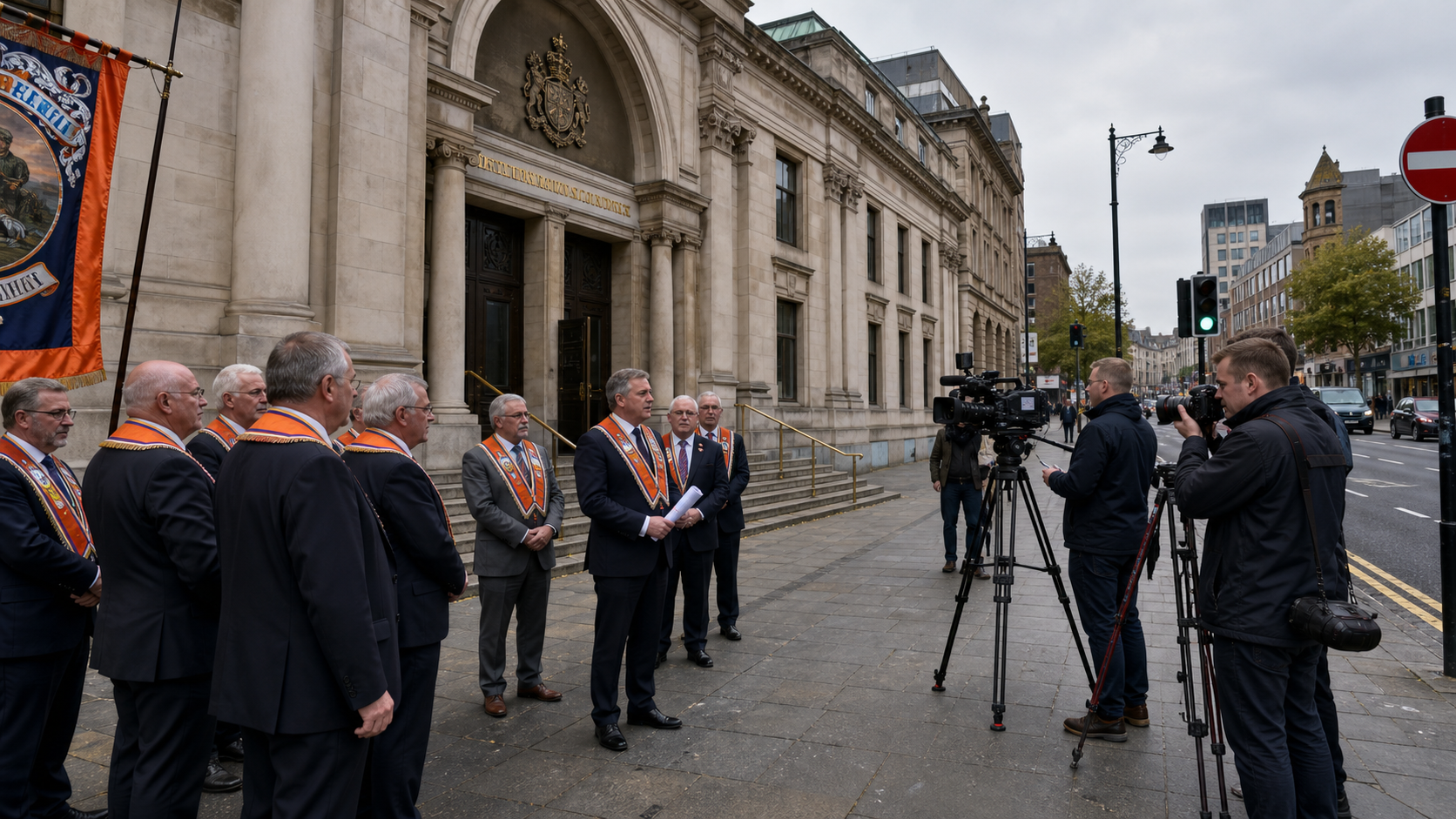
Belfast's designation as a UNESCO City of Music in 2021 made it a natural candidate to host the Fleadh, and the city's bid was supported by Belfast City Council, Tourism NI, and a wide coalition of community and cultural organisations. The decision to bring the festival north of the border was welcomed across the political spectrum as a demonstration of the island of Ireland's shared cultural heritage, and preparations have been under way for more than two years.
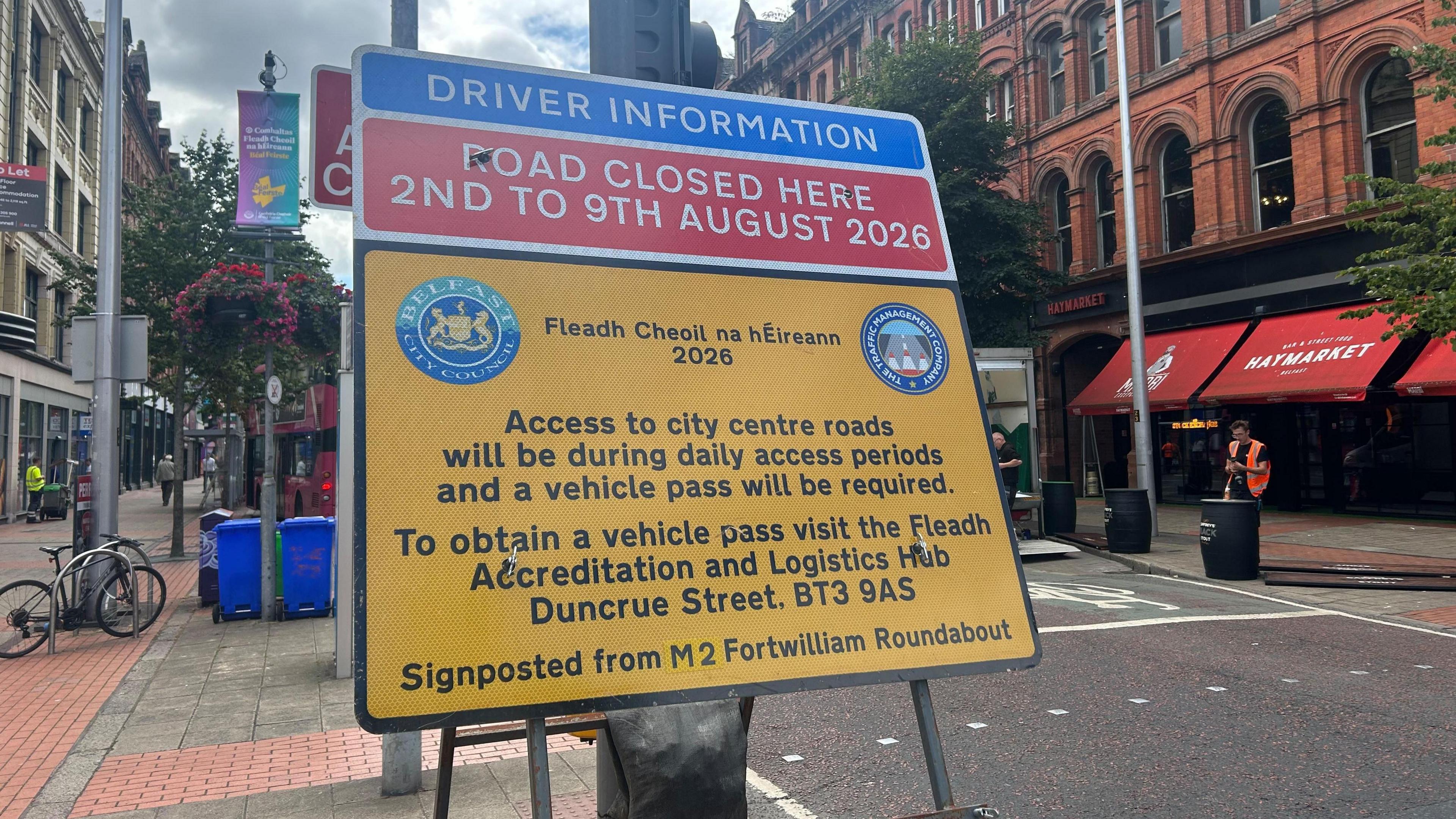
The festival runs from Sunday, 2 August, to Sunday, 9 August, with the main Gig Rig located outside Belfast City Hall hosting free daily performances. Road closures across the city centre have been in effect from 5:00 am this morning, with additional late-night bus and rail services laid on for the opening day and from 6 August onward.
Key Developments
The opening ceremony, titled Sharing Traditions, took place at noon at the City Hall Gig Rig and featured performances from Ards CCÉ, the Belfast Bands Forum, Arts Ekta, the South Asian Dance Academy, and a choir of over 130 school pupils from Belfast and North Down. The ceremony was designed to reflect Belfast's multicultural character while celebrating the Irish traditional music tradition at its heart.
The day's programme continued with performances from the Blackwater Céilí Band, Goitse and the Shaer, and the Moss and Warnock Trio, before Sharon Shannon and her Big Band took to the Gig Rig stage at 8:00 pm for the headline evening performance. Shannon, the Galway-born accordionist who has been one of the defining figures of Irish traditional music for more than three decades, drew a large and enthusiastic crowd to the city centre.
Seven pop-up session spaces have been designated across Belfast for acoustic performances throughout the week, and the festival extends into east, north, south, and west Belfast, with events including heritage tours, art exhibitions, and community-curated showcases. An Irish Language Hub has been established at the MAC on Exchange Street West, offering workshops, talks, and performances through the medium of Irish.
Why It Matters
The arrival of Fleadh Cheoil na hÉireann in Belfast is more than a cultural event — it is a statement about the city's transformation and its place within the broader Irish cultural landscape. For decades, Belfast was a city defined in the international imagination by conflict and division. The hosting of the world's largest Irish traditional music festival in the city centre, with free events accessible to all communities, represents a different kind of story.
The economic impact is also significant. An estimated 800,000 visitors over eight days represents one of the largest influxes of tourists Belfast has ever experienced, and the hospitality, retail, and transport sectors have been preparing for months. Belfast City Council has projected that the festival will generate tens of millions of pounds for the local economy, with hotels, guesthouses, and short-term lets across the city and surrounding areas fully booked.
Local Impact
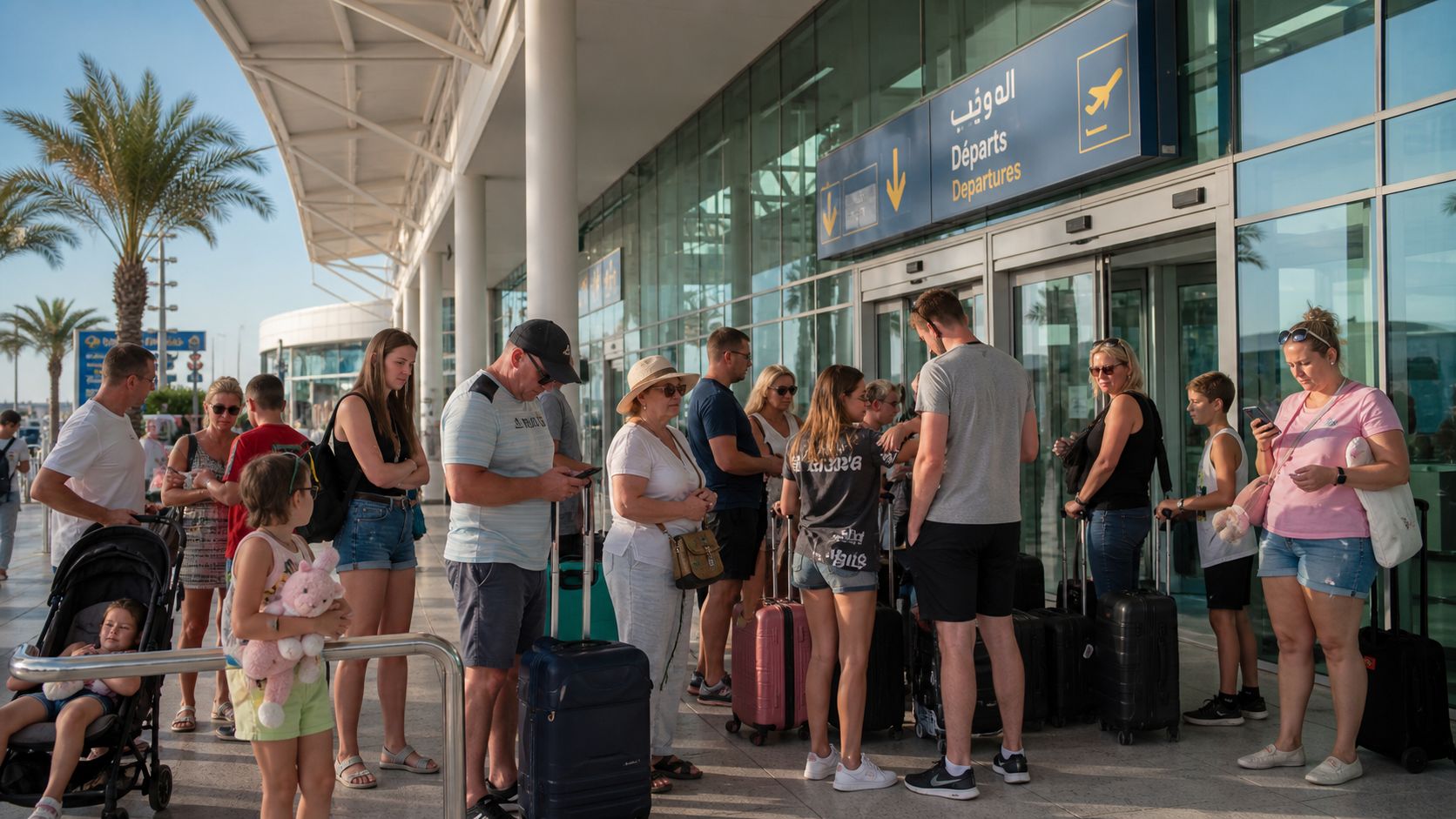
Across Belfast's neighbourhoods, the Fleadh has already begun to make its presence felt. In west Belfast, where the festival has strong community roots through the Féile an Phobail tradition, local musicians and session players have been preparing for weeks. In east Belfast and north Belfast, community organisations have organised their own fringe events to coincide with the festival. The Translink network has been significantly augmented, with additional Metro bus services on key routes into the city centre and extended operating hours on the Glider rapid transit line. Camping facilities at Ormeau Park are providing accommodation for visitors who could not secure hotel rooms in the city.
What's Next
The Fleadh programme continues through the week with competitions across all instruments and age groups, céilí dancing, singing competitions, and a full programme of concerts and sessions. The Senior Céilí Band Competition takes place at the Waterfront Hall on the evening of 9 August, with the winners performing at the City Hall Gig Rig to close the festival. Tickets for the ticketed evening concerts at venues including the Waterfront Hall and the Ulster Hall are available through the Fleadh website, while all Gig Rig performances remain free to attend.