Fine Gael to Publish Blueprint for a Unified Ireland as Unity Debate Moves from Fringe to Centre of Irish Politics
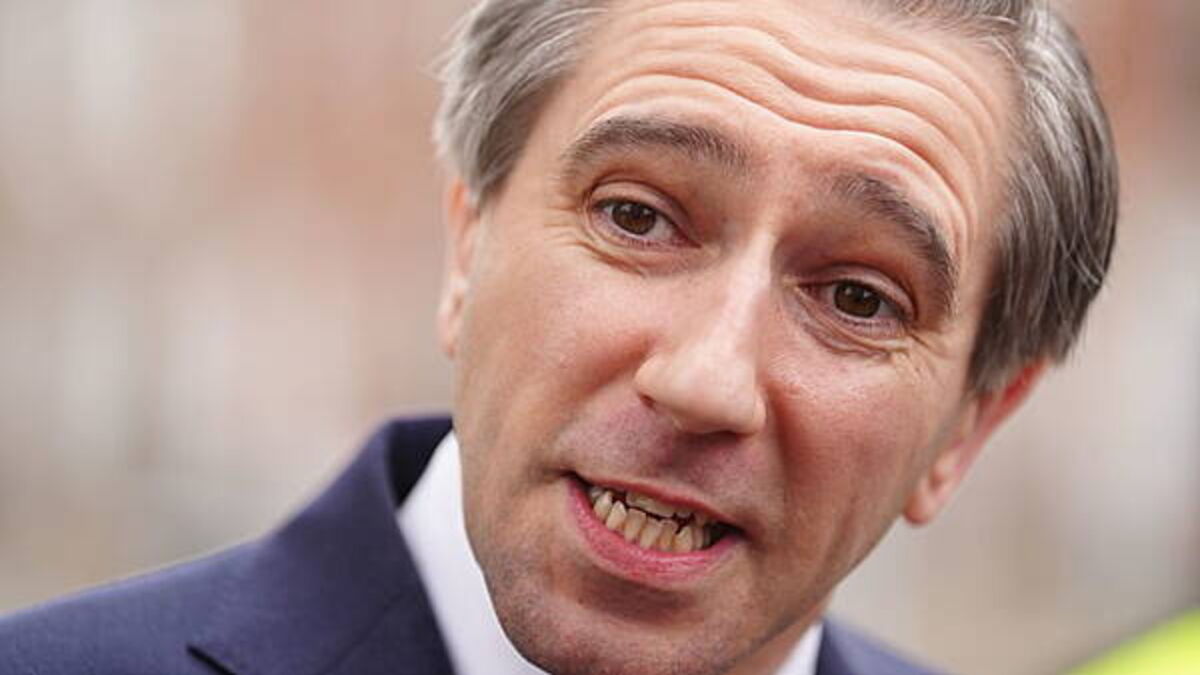
Tánaiste Simon Harris has announced that Fine Gael will publish a "blueprint for a unified island" in November 2026, marking a historic shift in the approach of one of Ireland's two traditional parties of government to the question of Irish unity, as the debate moves from the political fringes to the mainstream of government thinking — a development that has been welcomed by Sinn Féin but treated with characteristic caution by Taoiseach Micheál Martin.
Background
The question of Irish unity has been a constant presence in Irish political life since partition in 1921, but for most of the intervening century it was treated by the two main parties of government — Fianna Fáil and Fine Gael — as a long-term aspiration rather than a practical political project. The Good Friday Agreement of 1998 changed the constitutional framework by providing a mechanism — a border poll — through which unity could be achieved democratically, but it did not immediately change the political culture in the Republic, where unity remained a topic for Sinn Féin and the political left rather than the mainstream centre.
The Brexit referendum of 2016 began to shift that dynamic. The prospect of Northern Ireland being taken out of the European Union against the wishes of a majority of its voters — 56% of whom voted Remain — prompted a new conversation about the constitutional future of the island. The subsequent years of Brexit negotiations, which repeatedly highlighted the unique complexity of the Irish border and the fragility of the peace process, kept that conversation alive and gave it a new urgency.
The 2020 general election, in which Sinn Féin emerged as the largest party by first-preference votes in the Republic, was another watershed moment. It demonstrated that a party with Irish unity as a central policy commitment could command majority support in the south, and it forced Fianna Fáil and Fine Gael to engage more seriously with the unity question than they had previously been willing to do.
Key Developments
The immediate trigger for the current debate was a statement by Justice Minister Jim O'Callaghan — a Fianna Fáil TD — in late June, in which he argued that the next government "must prepare for Irish unity." O'Callaghan noted that the timing of a border poll is ultimately determined by the UK Secretary of State, who is required to call one if it appears likely that a majority in Northern Ireland would vote for unity. He argued that the Irish government has a responsibility to prepare for that eventuality, rather than waiting for it to arrive without adequate planning.
Taoiseach Micheál Martin's response was characteristically measured. He cautioned against "soundbites on Irish unity" that he described as "not helpful," and emphasised his preference for practical cross-border work through the Shared Island Fund — a €500 million initiative established by his government to support all-island economic and social development. Martin's caution reflects both his personal political instincts and a genuine concern that premature or poorly managed unity rhetoric could destabilise the political situation in Northern Ireland.
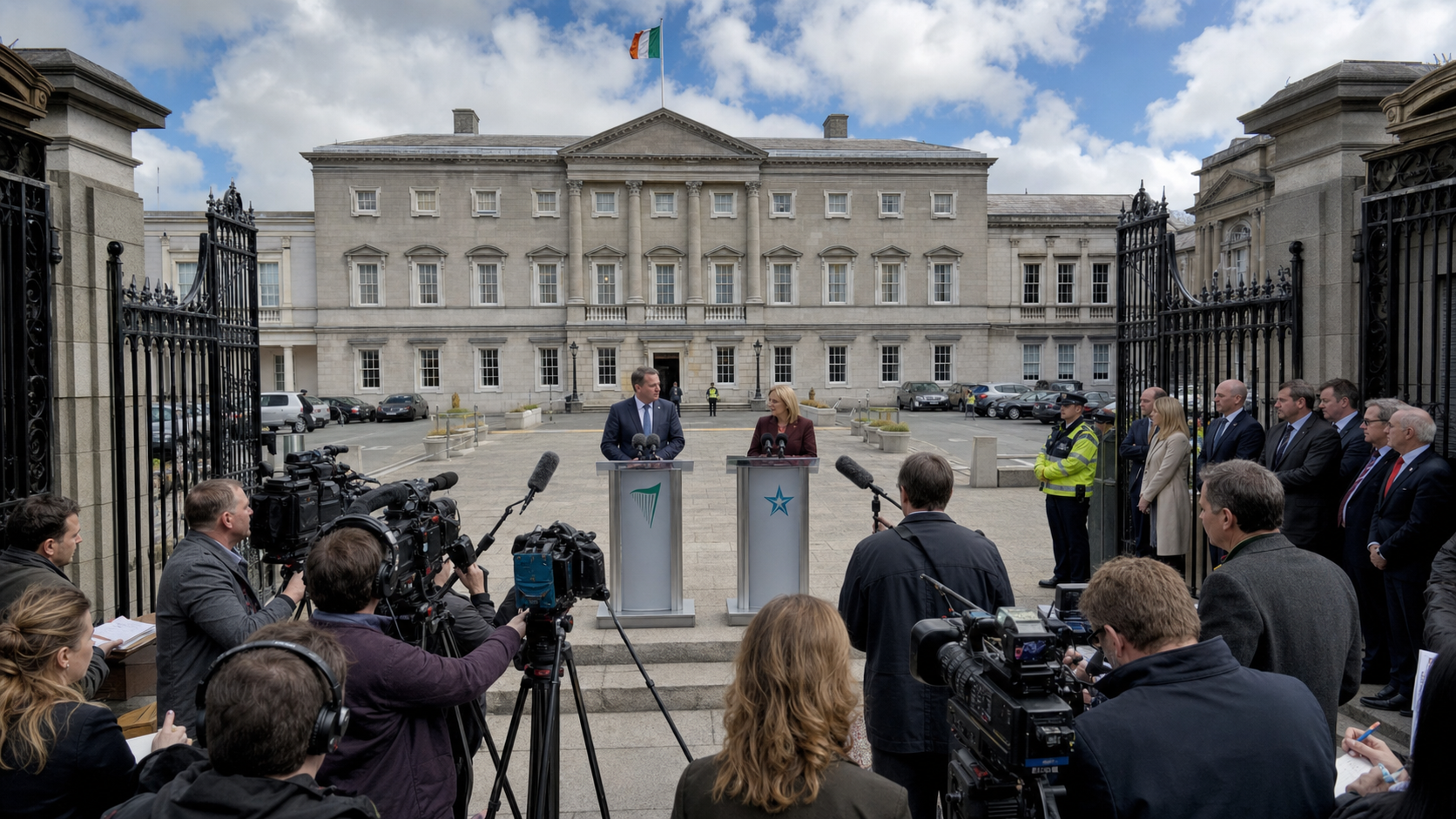
Tánaiste Simon Harris's announcement of a Fine Gael unity blueprint is the most significant development in the current debate. Fine Gael — historically the party most associated with the Irish state's relationship with Britain and with a cautious approach to constitutional change — is now committing to develop a detailed policy document on how a unified Ireland might be structured and governed. The blueprint, to be published in November, is expected to address questions of governance, economic integration, identity, and the protection of unionist rights and traditions in a united Ireland.
Sinn Féin has welcomed the moves by both Fianna Fáil and Fine Gael, but has argued that they do not go far enough. The party continues to call for a formal Green Paper on Irish unity — a government consultation document that would set out the options and invite public debate — and for a citizens' assembly to develop a shared vision for what unity might look like. Sinn Féin argues that the Shared Island Fund, while useful, is not a substitute for formal planning for constitutional change.
Why It Matters
The significance of the current debate lies not in any immediate prospect of a border poll — the conditions for one are not yet in place — but in the shift it represents in the political culture of the Republic. For Fine Gael, in particular, the decision to develop a unity blueprint represents a departure from a tradition of treating the question as too sensitive and too complex to engage with directly.
This is the first time in the history of the state that both main parties of government have simultaneously been developing formal policy positions on Irish unity. That is a historic development, regardless of the specific content of those positions. It signals that the question of Ireland's constitutional future is now a mainstream political issue that cannot be managed by avoidance or vague aspiration.
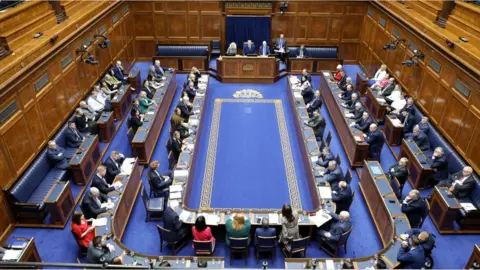
The reaction in Northern Ireland will be closely watched. Unionist parties — the DUP, UUP, and TUV — have consistently opposed any moves towards unity and are likely to view the Fine Gael blueprint with alarm. Alliance, which takes a more nuanced position, has called for a "civic conversation" about the constitutional future that is not driven by party political agendas. The SDLP and Sinn Féin in the north have welcomed the southern debate as a sign of growing seriousness about the issue.
Local Impact
In the Republic, the unity debate has generated significant public interest, with opinion polls consistently showing majority support for unity in principle, though with significant caveats about the conditions under which it should be pursued. The Fine Gael blueprint, when published, will be the first detailed policy document from a mainstream southern party on the practical mechanics of unity, and it is likely to generate substantial public debate.
In Northern Ireland, the debate is more complex. Surveys suggest that support for unity has grown in recent years, particularly among younger voters and those who identify as neither unionist nor nationalist. But the path from increased support to an actual border poll is long and uncertain, and the political conditions — including the stability of the Stormont institutions and the state of community relations — will be critical factors in determining when and whether a poll is called.
The Shared Island Fund, which Martin has emphasised as his preferred vehicle for cross-border engagement, has funded a range of practical projects in areas including health, education, and economic development. Its supporters argue that this kind of practical cooperation builds the relationships and the shared infrastructure that would make unity more viable if and when it comes. Its critics argue that it is a substitute for the harder political work of actually planning for constitutional change.
What's Next
Fine Gael's unity blueprint is expected to be published in November 2026, ahead of what is anticipated to be a significant political autumn. The document will be developed through a process of internal party consultation and external engagement with academics, civil society organisations, and community groups in both the Republic and Northern Ireland.
The government is also expected to respond formally to calls for a Green Paper on unity, with Minister O'Callaghan having indicated he is open to the idea. A Green Paper would be a significant step — it would represent the first formal government consultation on the mechanics of unity and would signal a level of institutional seriousness that goes beyond individual ministerial statements.
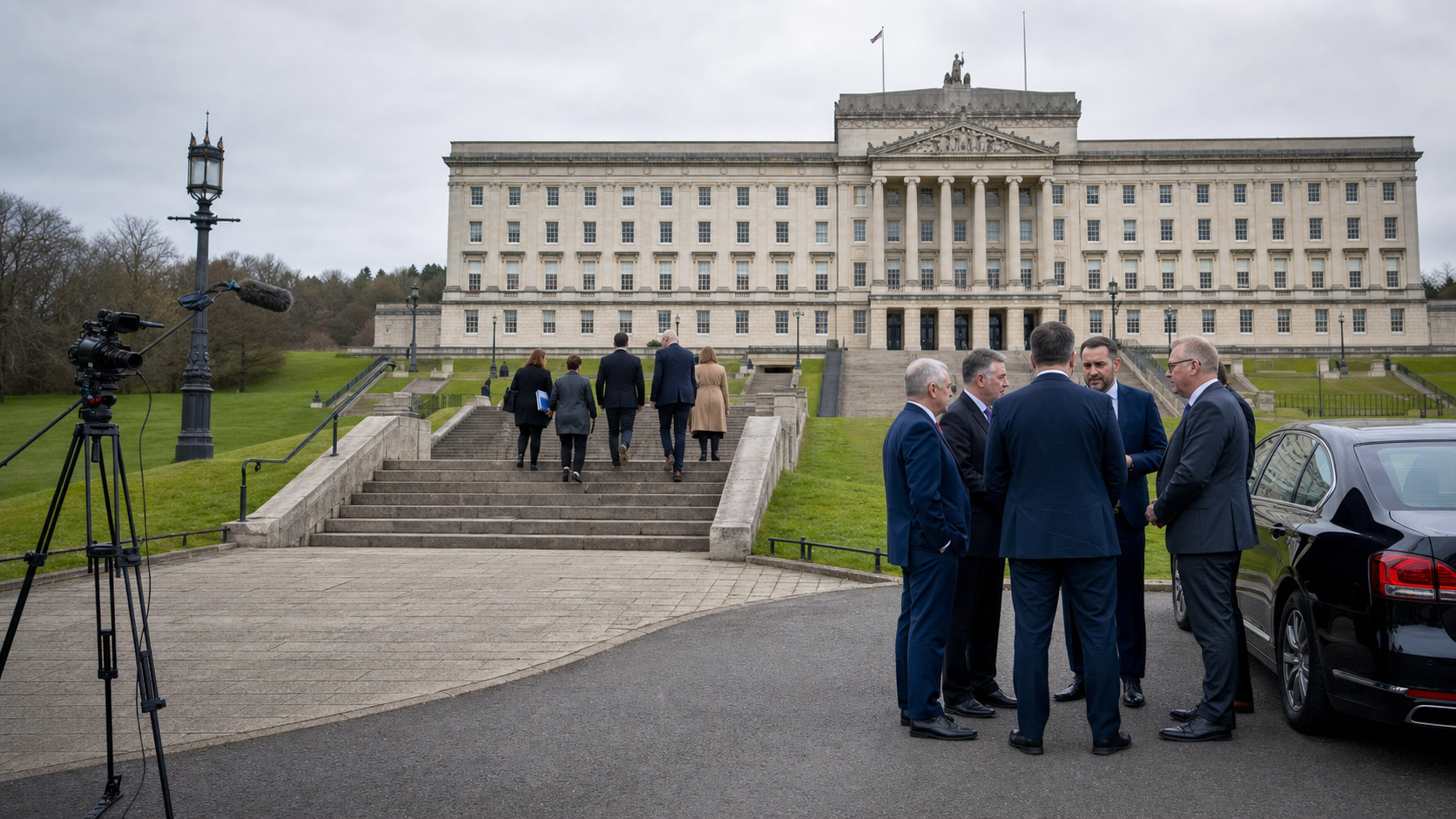
In the meantime, the Shared Island Fund will continue to support cross-border projects, and the North-South Ministerial Council — which brings together ministers from the Stormont Executive and the Irish government — will continue its regular meetings. The unity debate will be a backdrop to all of these activities, shaping the political context in which cross-border cooperation takes place.