DUP Launches Independent Review into Donaldson Conduct as Party Faces Existential Crisis Over What Senior Figures Knew
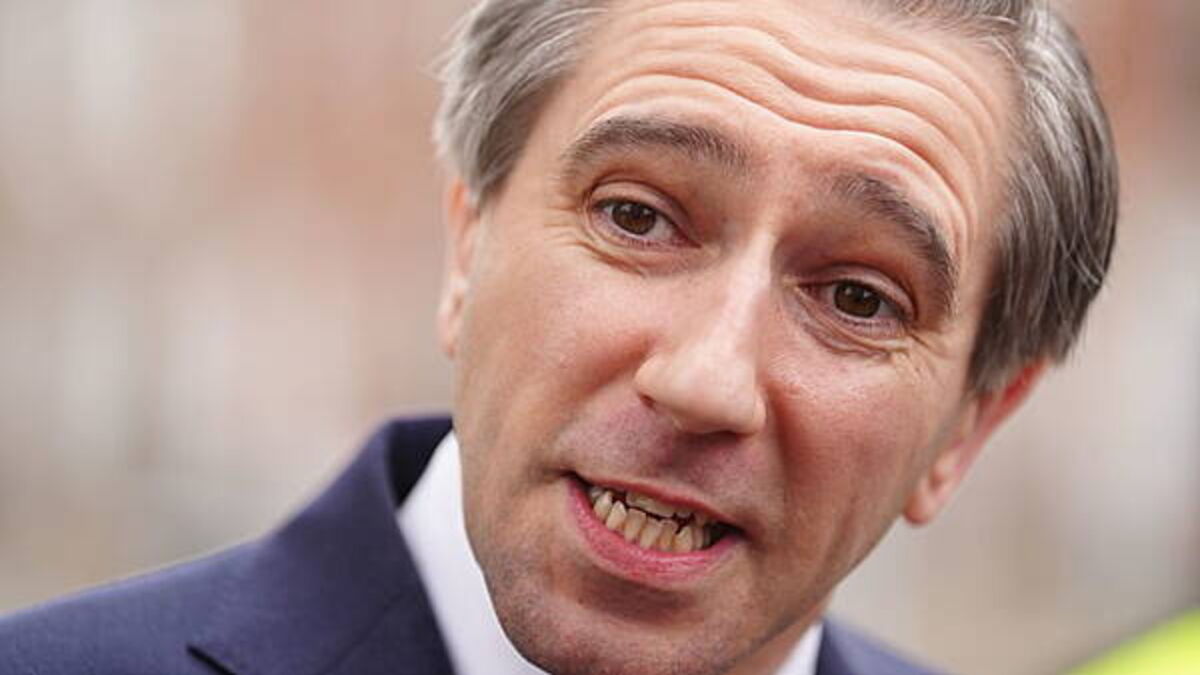
The Democratic Unionist Party has announced a "specialised and detailed independent review" into the conduct of former leader Sir Jeffrey Donaldson and what senior party figures may have known about concerns regarding his behaviour, following his conviction for 18 historical sexual offences — a scandal that has shattered trust among the party's socially conservative voter base and raised fundamental questions about the DUP's internal governance and its future as a political force.
Background
Sir Jeffrey Donaldson's conviction in late June 2026 for 18 historical sexual offences was one of the most dramatic political events in Northern Ireland for years. Donaldson had been one of the most prominent figures in unionist politics for decades — a former Ulster Unionist who crossed the floor to join the DUP, a long-serving MP for Lagan Valley, and the party leader who negotiated the DUP's return to the Stormont Executive in 2024 after a two-year boycott over the Northern Ireland Protocol.
His arrest in March 2024 — on the same day he announced the DUP's return to Stormont — was a shock that reverberated through Northern Irish politics. His subsequent resignation from the party leadership and from his parliamentary seat, and the appointment of Gavin Robinson as interim leader, left the DUP in a state of considerable disarray at a moment when it needed to demonstrate that its return to government was a sign of political maturity and strategic clarity.
The conviction, when it came, was the culmination of a legal process that had been watched closely by the political community in Northern Ireland. The nature of the offences — historical sexual crimes — and the fact that they had apparently been committed over an extended period raised immediate questions about what, if anything, senior figures in the DUP had known or suspected about Donaldson's conduct, and whether any concerns had been raised and ignored.
Key Developments
The DUP's decision to launch an independent review reflects the seriousness with which the party's current leadership is treating the reputational damage caused by the Donaldson conviction. The review is described as "specialised and detailed," suggesting it will go beyond a superficial examination of party procedures and will attempt to establish a clear account of what was known, when it was known, and what action was or was not taken.
The political context of the review is significant. The DUP's voter base is predominantly socially conservative — many of its supporters hold traditional views on issues of sexual morality and family values that are at odds with the nature of the offences for which Donaldson has been convicted. The sense of betrayal among these voters is acute, and the party's leadership is acutely aware that its ability to retain their support depends on demonstrating that it takes the matter seriously and is committed to accountability.
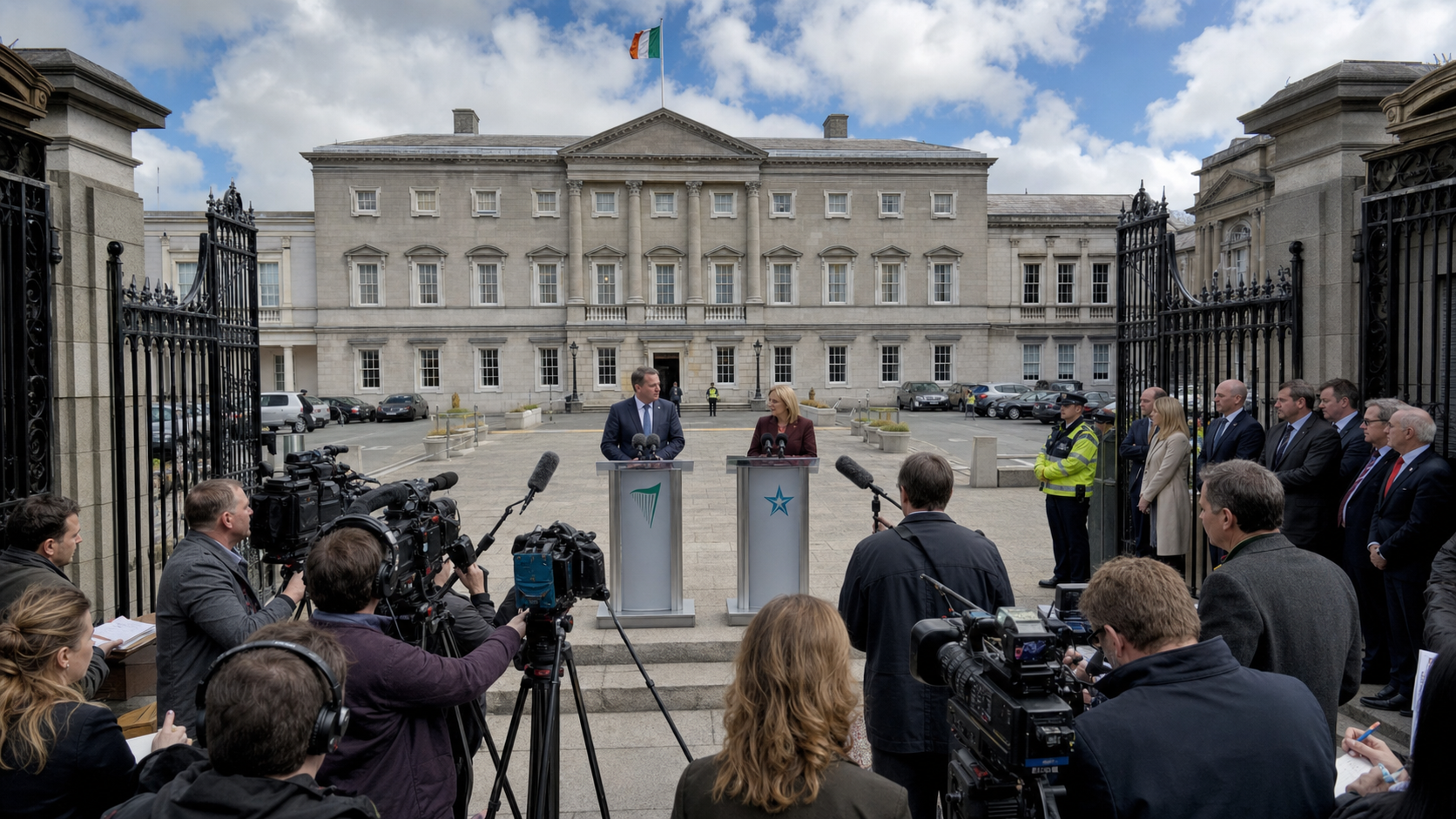
Stormont Opposition leader Matthew O'Toole has described the situation as a "very significant moment" that has exposed what he characterised as hypocrisy within the DUP — a party that has consistently taken strong public positions on issues of sexual morality and family values while, it now appears, failing to address concerns about the conduct of its own leader. O'Toole's criticism has been echoed by other opposition parties, who have called for the independent review to be genuinely independent and to have the power to compel the production of documents and the attendance of witnesses.
The DUP's current leader, Gavin Robinson, has sought to draw a clear line between the party's past and its future, emphasising that the review will be conducted without fear or favour and that its findings will be acted upon. Robinson faces the difficult task of managing the immediate reputational crisis while also trying to maintain the DUP's position within the Stormont Executive — a position that requires it to work alongside Sinn Féin in a power-sharing arrangement that many of its traditional supporters find deeply uncomfortable.
Why It Matters
The Donaldson scandal matters for reasons that extend well beyond the DUP itself. The stability of the Stormont institutions depends on the DUP's continued participation in the Executive, and a party in existential crisis is not well placed to provide the kind of stable, effective governance that Northern Ireland needs. If the independent review produces findings that further damage the party's credibility, or if it triggers internal divisions that the leadership cannot manage, the consequences for the Executive could be significant.
The scandal also raises broader questions about the culture of political parties in Northern Ireland and the mechanisms that exist — or do not exist — for holding party leaders accountable for their personal conduct. The DUP is not the first party in any jurisdiction to face questions about what it knew about the behaviour of a senior figure, but the particular nature of the Donaldson case — the seniority of the individual, the nature of the offences, and the length of time over which they apparently occurred — makes it an unusually severe test of those mechanisms.
For unionism more broadly, the Donaldson conviction is a significant blow at a moment when the movement is already under pressure. The DUP's decision to return to Stormont in 2024 was controversial within unionism, with the TUV and some within the UUP arguing that the party had conceded too much in its negotiations over the Windsor Framework. The Donaldson scandal adds a further layer of difficulty to the DUP's efforts to maintain its position as the dominant force within unionism.
Local Impact
In Lagan Valley, the constituency that Donaldson represented for many years, the reaction to his conviction has been one of shock and sadness. Donaldson was a well-known and, in many quarters, well-regarded local politician, and the nature of his offences has been deeply distressing for many of his former constituents and supporters. The local DUP organisation, which was closely associated with Donaldson's political career, is having to rebuild its identity and its relationship with voters in the constituency.
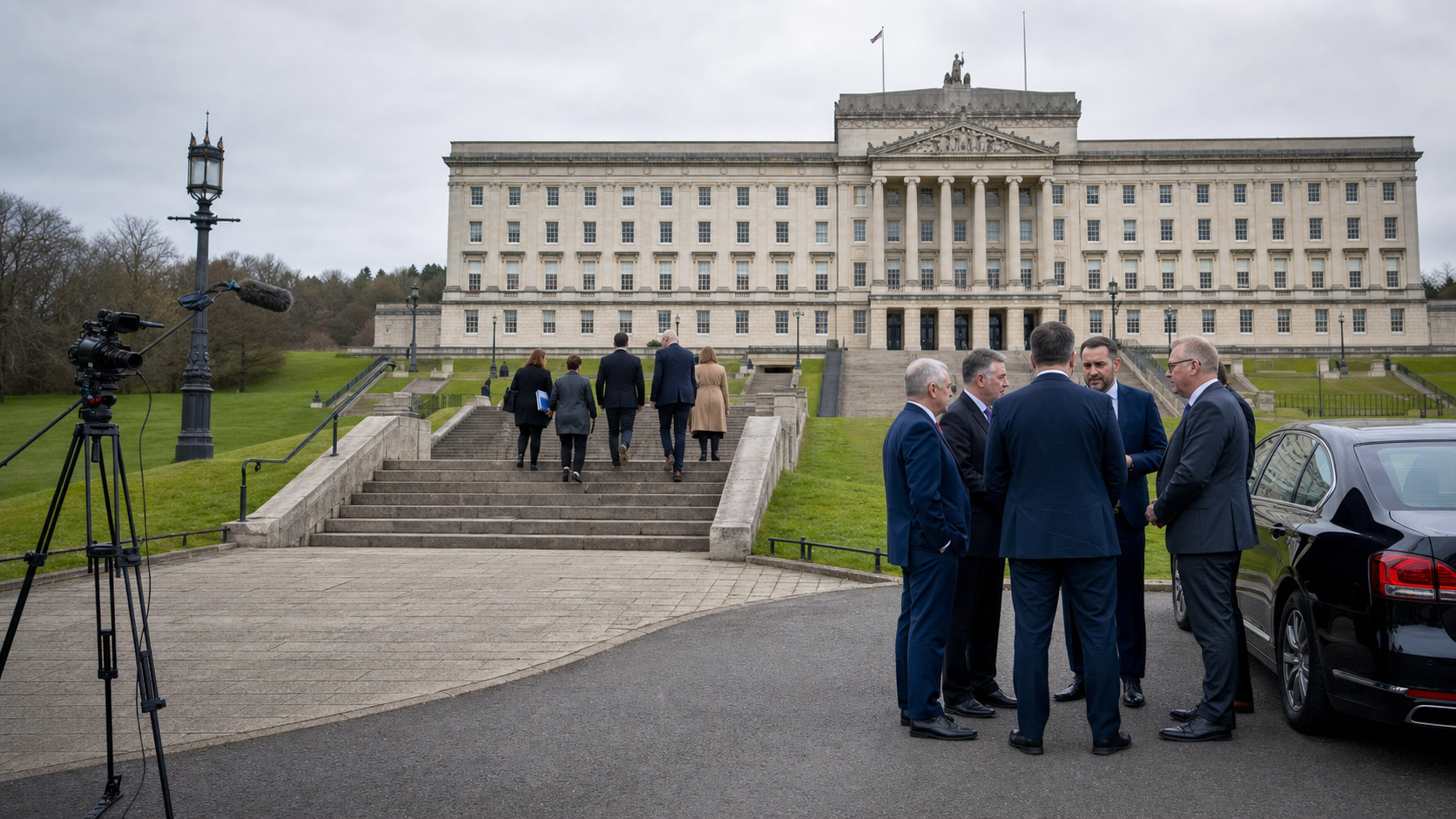
In Belfast, the political reverberations of the scandal have been felt across the Assembly and in the corridors of Stormont. DUP MLAs have had to navigate a difficult period in which they are simultaneously managing the immediate political fallout, supporting the independent review process, and trying to maintain the party's effectiveness as a governing party within the Executive.
For the victims of Donaldson's offences, the conviction and the subsequent political debate have been a further ordeal. Victim support organisations have called for the political discussion to remain focused on the needs of those who were harmed, rather than becoming primarily a debate about the DUP's political future.
What's Next
The independent review is expected to take several months to complete, with the DUP indicating it will publish the findings in full. The review panel is being assembled, and the DUP has indicated it will include individuals with expertise in governance, legal matters, and safeguarding — reflecting the range of issues the review will need to address.
The sentencing of Donaldson, which has not yet taken place, will be another significant moment in the political calendar. The sentence handed down by the court will be closely watched, and any perception that it is inadequate will generate further political pressure on the DUP and on the justice system more broadly.
In the longer term, the DUP faces the challenge of rebuilding its credibility and its electoral support in the context of the Donaldson scandal, the ongoing difficulties of the Stormont Executive, and the broader pressures on unionism. The party's performance in the next Assembly election — which must take place by 2027 — will be a critical test of whether it has managed to navigate this crisis successfully.