Fianna Fáil Think-In Puts Cost of Living at Centre of Budget 2027 Strategy as Martin Pledges Tax Relief and Childcare Cuts
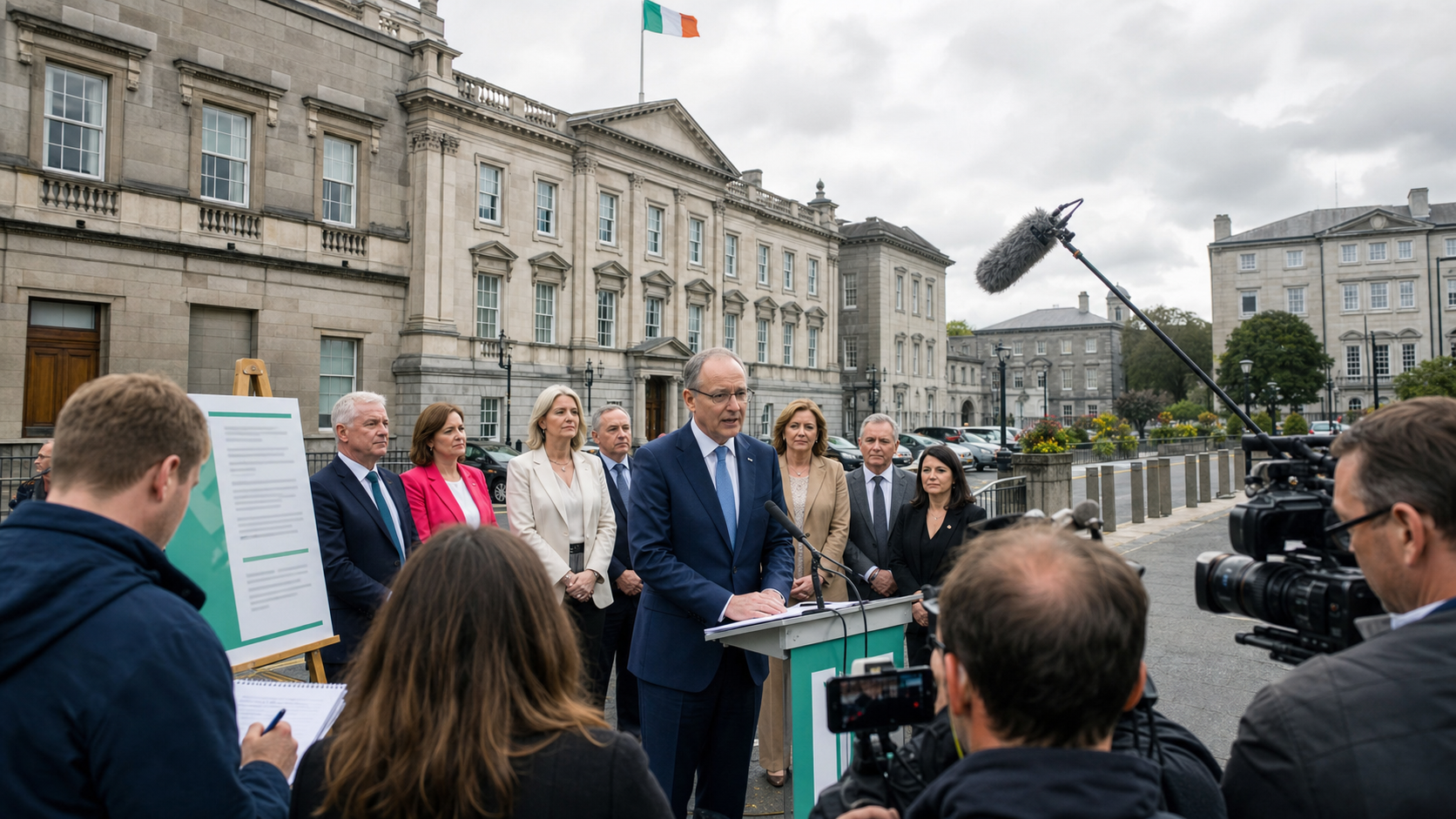
Fianna Fáil's parliamentary party has gathered in County Offaly for its annual think-in under the theme "Supporting People, Protecting Jobs, Improving Infrastructure," with Taoiseach Micheál Martin using the occasion to set out the party's priorities for Budget 2027 and to signal that easing the cost-of-living burden on Irish households will be the defining objective of the government's autumn legislative programme.
Background
The annual parliamentary think-in is a fixture of the Irish political calendar, providing parties with an opportunity to regroup after the summer recess, align their messaging ahead of the Dáil's return, and signal their priorities to the media and the public. For Fianna Fáil, this year's event carries particular significance: the party is navigating a challenging political environment in which the cost of living remains the dominant public concern, the housing crisis shows no sign of abating, and a new opinion poll has placed Sinn Féin ahead of Fine Gael as the most popular party in the state.
The think-in format — typically a combination of plenary sessions, working group discussions, and media briefings — allows party leaders to test messages and build internal consensus before the formal budget negotiations with coalition partners begin in earnest. This year's event in County Offaly follows a similar gathering in Thurles in 2023, where the party also prioritised cost-of-living measures and discussed potential changes to income tax and the Universal Social Charge.
The political context for Budget 2027 is more complex than in recent years. Ireland's public finances remain strong — corporation tax receipts have surged by 33 per cent in the first eight months of 2026, and the state recorded €66 billion in total tax receipts over the same period — but the government faces competing pressures to use that fiscal space wisely. Social Justice Ireland has warned that income tax reliefs disproportionately benefit higher earners, while the carbon tax debate continues to generate political heat ahead of a decision on whether to proceed with the scheduled increase.
Key Developments
Martin used his opening address to the think-in to outline three core priorities for Budget 2027: reducing income tax, cutting childcare costs, and increasing support for people with disabilities. On income tax, the Taoiseach signalled that the government would seek to reduce the burden on middle-income earners, though he stopped short of specifying the precise measures under consideration. On childcare, he indicated that the government would build on the significant reductions already achieved in recent budgets, with the aim of making Ireland's childcare costs more comparable to the European average. On disability, he acknowledged that the current system of supports was inadequate and committed to a "meaningful increase" in funding.
The Taoiseach also addressed the question of the Future Ireland Fund and the Infrastructure, Climate and Nature Fund, reiterating the government's commitment to building long-term fiscal buffers against the volatility of corporation tax receipts. He acknowledged that the global economic environment remained uncertain — citing the ongoing impact of US trade policy and the conflict in Ukraine — and argued that prudent management of the public finances was essential to protecting Ireland's economic resilience.
Why It Matters
The Fianna Fáil think-in is the opening move in a budget negotiation process that will conclude with the formal Budget 2027 announcement in October. The party's ability to secure its key priorities — particularly on income tax and childcare — will depend on its negotiations with Fine Gael and the Green Party within the coalition, and on the overall fiscal envelope that the Department of Finance determines is available for discretionary spending. The political stakes are high: with Sinn Féin leading in the polls and the next general election no more than two years away, the government parties need to demonstrate that they are delivering tangible improvements in living standards for ordinary Irish families. A budget that is seen as insufficiently ambitious on cost of living could accelerate the political momentum that Sinn Féin has been building.
Local Impact
The specific measures that emerge from Budget 2027 will have direct consequences for households across Ireland. Income tax reductions will benefit workers in Dublin, Cork, Galway, and Limerick who have seen their real wages eroded by inflation over the past three years. Childcare cost reductions will be particularly significant for families in urban areas, where the cost of a full-time childcare place can exceed €1,500 per month. In rural Ireland, the focus on infrastructure investment — roads, broadband, public transport — will be watched closely by communities that feel they have been left behind by the concentration of economic activity in the major cities. The disability measures, if they materialise, will be welcomed by advocacy groups that have been pressing for reform of a system widely regarded as inadequate and inconsistent.
What's Next
The Dáil returns from its summer recess on Tuesday, September 9. Budget 2027 is scheduled for October 14. The coalition parties will hold formal pre-budget negotiations over the coming weeks, with the Department of Finance expected to publish its pre-budget economic and fiscal outlook in late September. The Oireachtas Finance Committee will hold pre-budget hearings throughout September, providing an opportunity for advocacy groups, economists, and business representatives to make their case for specific measures.