Dáil Returns from Summer Recess with Budget 2027 Dominating as Spending Overruns Exceed €1.4 Billion
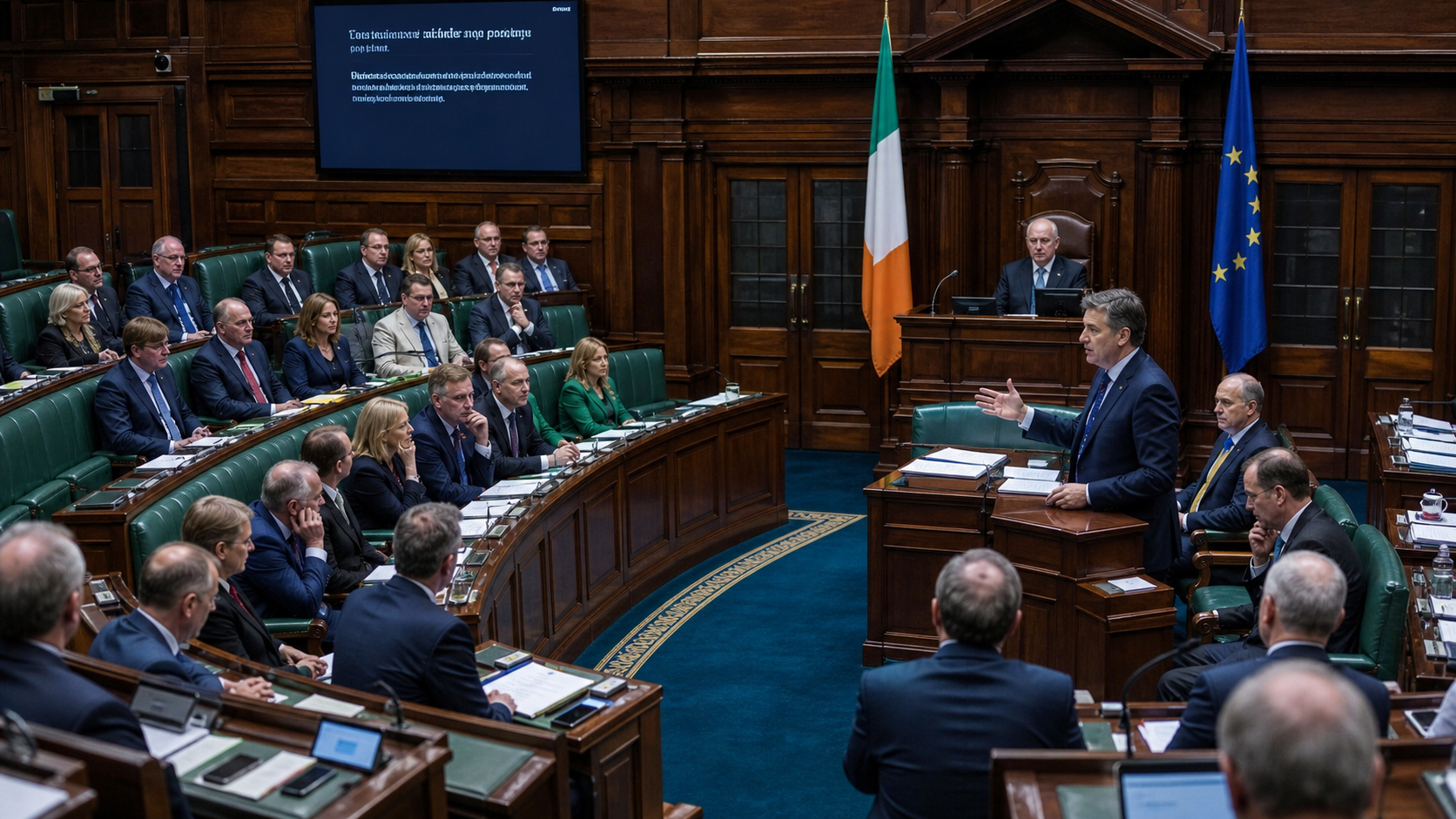
The Dáil has returned from its summer recess with Budget 2027 dominating the political agenda, as the government faces warnings that public spending overruns are likely to exceed €1.4 billion and opposition parties press for significant cost-of-living relief ahead of a budget scheduled for 14 October that ministers have described as the "tightest" since before the Covid-19 pandemic.
Background
The Dáil's return from the summer recess traditionally marks the beginning of the most intense period of the political year, with the budget announcement in October the focal point around which all other political activity is organised. This year, the return has been overshadowed by a series of significant developments that have complicated the government's budgetary planning: the surge in MetroLink costs to as much as €17.5 billion, the Central Bank's warning against broad cost-of-living measures, the TikTok layoffs in Dublin, and the ongoing fallout from Donald Trump's visit to Ireland.
The government's Summer Economic Statement, published in July, confirmed that the total spending package for Budget 2027 would be approximately €8.5 billion, comprising €7 billion in additional day-to-day and capital spending and €1.5 billion in tax reductions. However, the capacity for new measures within that envelope is constrained by the spending overruns that have accumulated during the year, which are now estimated to exceed €1.4 billion. Ministers have been warned that they will need to make difficult trade-offs to stay within the overall spending ceiling.
The political context is further complicated by the approach of the next general election, which must be held by March 2029 but which many commentators expect to be called earlier. The government's coalition partners — Fine Gael, Fianna Fáil, and the Green Party — are all under pressure from their own backbenchers to deliver tangible benefits for voters in the budget, while the opposition parties, led by Sinn Féin, are pressing for more ambitious cost-of-living measures than the government has indicated it is willing to provide.
Key Developments
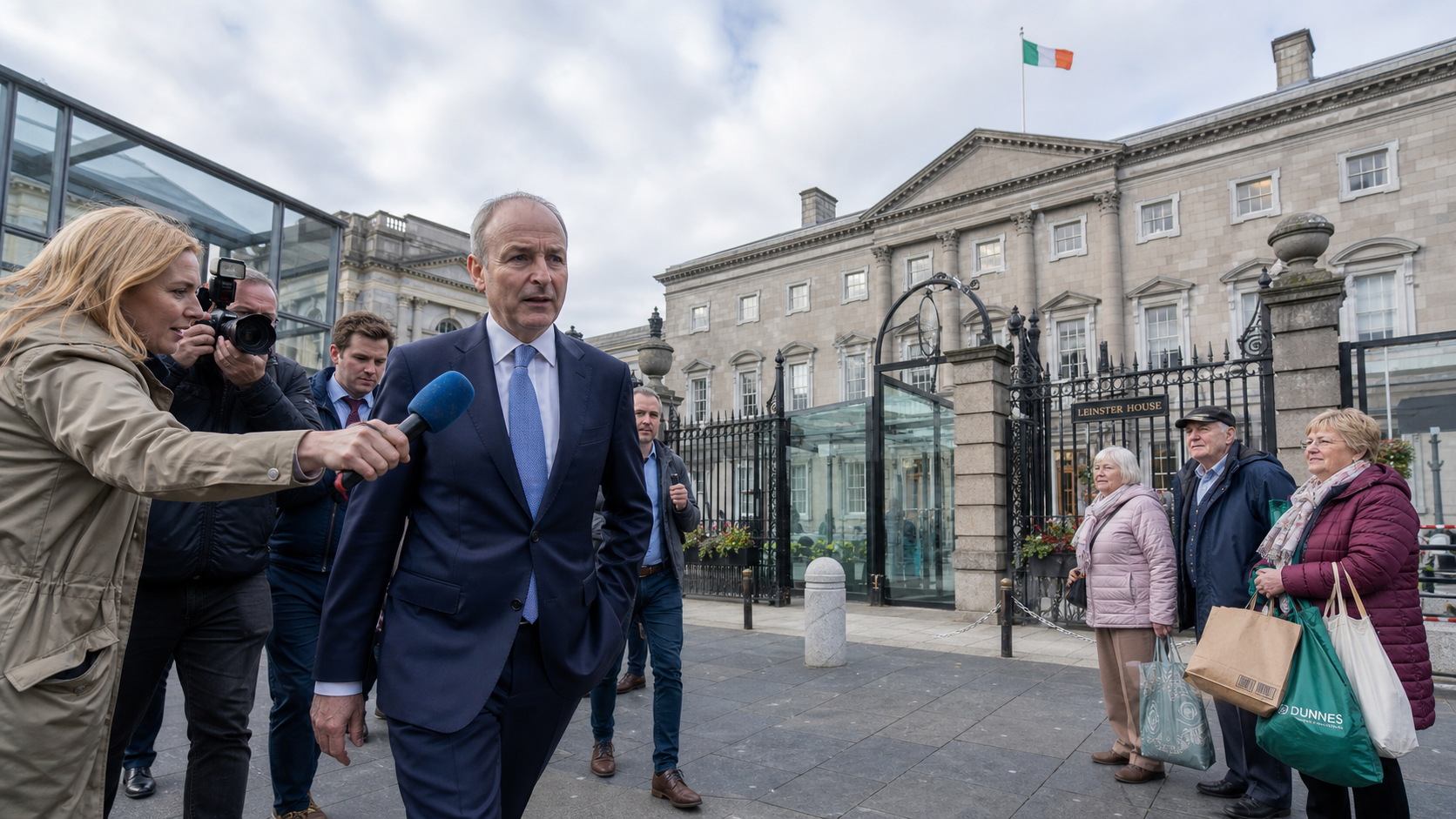
The first week of the Dáil's return has been dominated by questions about the MetroLink cost surge, the Garda pursuit training deficit, and the government's response to the Central Bank's budget warning. Opposition leaders have used Leaders' Questions to press the Taoiseach on each of these issues, with Sinn Féin leader Mary Lou McDonald arguing that the government's fiscal caution is being used as a cover for inaction on the cost-of-living crisis.
The government has also been dealing with the fallout from a new government levy that is expected to impact funding for state bodies including Uisce Éireann, the IDA, and Fáilte Ireland. The levy, which is intended to generate additional revenue for the exchequer, has been criticised by the bodies affected as a threat to their capacity to deliver on their mandates. Uisce Éireann has warned that the levy could delay investment in water infrastructure, while the IDA has expressed concern about its impact on the agency's ability to attract foreign direct investment.
Social Democrats leader Holly Cairns is absent from the Dáil's return due to medical advice, a development that has prompted expressions of goodwill from across the political spectrum. The party has indicated that Cairns will return to the Dáil as soon as her health permits.
Why It Matters
The Dáil's return marks the beginning of a period of intense political activity that will culminate in the budget announcement on 14 October. The decisions made in that budget will shape the economic and social landscape of Ireland for the coming year and will have significant implications for the government's electoral prospects. The tension between fiscal caution and political generosity is a perennial feature of Irish budget politics, but it is particularly acute this year given the combination of spending overruns, Central Bank warnings, and opposition pressure. The government's ability to navigate this tension — delivering enough to satisfy voters without triggering the inflationary consequences that the Central Bank has warned against — will be a significant test of its political management.
Local Impact
For households across Ireland, the budget debate has immediate practical significance. The government's decisions on income tax bands, energy credits, housing supports, and social welfare rates will directly affect the financial position of millions of families. In Dublin, where the cost of living is highest and the housing crisis most acute, the budget's housing measures will be particularly closely watched. In rural areas, where dependence on private transport and home heating oil is high, the decisions on fuel and energy costs will be central. The Oireachtas Budget Office has published costings for a range of opposition proposals, providing a basis for comparison with the government's own plans. The full details of Budget 2027 will be announced by the Minister for Finance on 14 October.
What's Next
The government is expected to publish its pre-budget economic and fiscal outlook in the coming days, setting out the parameters within which the budget will be framed. The Irish Fiscal Advisory Council will publish its pre-budget assessment before the end of September. Opposition parties have until the end of the month to submit their alternative budget proposals to the Oireachtas Budget Office for costing. The Taoiseach is expected to hold a series of bilateral meetings with coalition partners in the coming weeks to finalise the budget package. The budget announcement on 14 October will be followed by a week of Dáil debate on the Finance Bill.