Dáil Legal Aid Row: Social Democrats Call on Taoiseach to Intervene as District Court Crisis Deepens
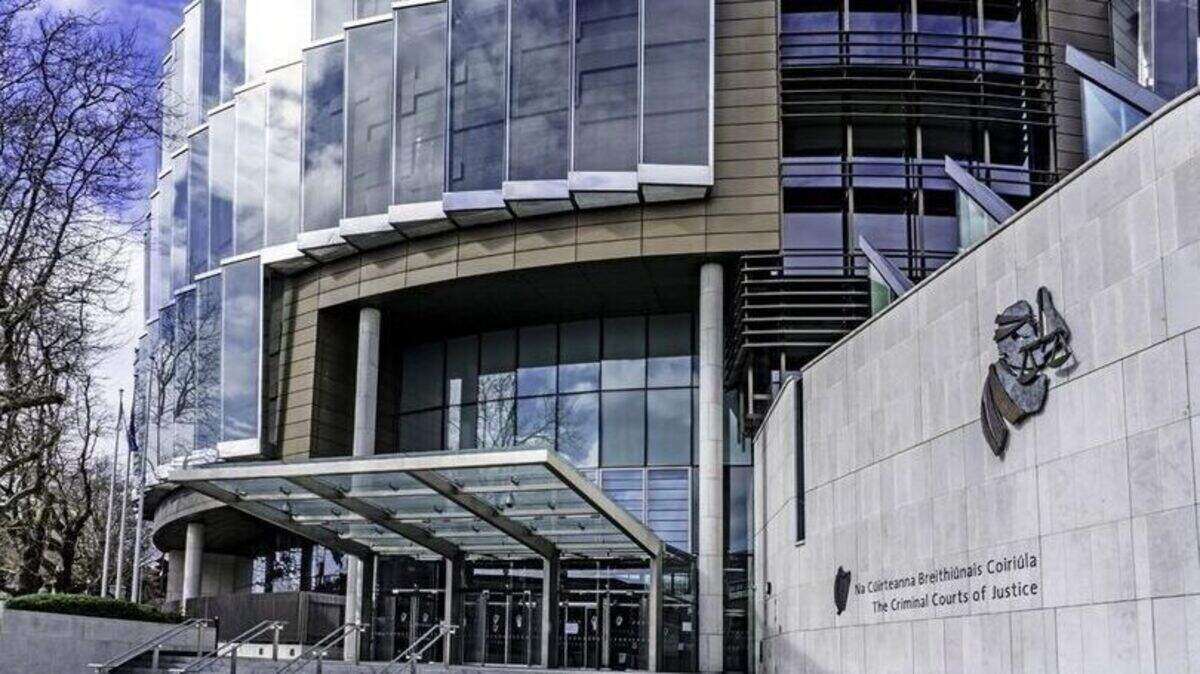
Social Democrats TD Gary Gannon has called on Taoiseach Micheál Martin to personally intervene in the criminal legal aid dispute after Minister for Justice Jim O'Callaghan claimed in the Dáil that the courts were running "effectively" — a claim dismissed as "nonsense" and "a lie" by the Law Society of Ireland as Dublin's District Courts remain in a state of effective paralysis entering the third month of the solicitors' withdrawal of services.
Background
The criminal legal aid dispute has its roots in a long-running tension between the legal profession and successive governments over the adequacy of fees paid to solicitors who represent defendants who cannot afford private legal representation. The system is a constitutional requirement — the right to legal aid in criminal proceedings has been recognised by the Irish courts as a fundamental right — but successive governments have treated it as a cost to be minimised rather than a service to be properly resourced.
Minister O'Callaghan's decision to introduce a flat-fee model on 1 July 2026 was presented as a reform that would improve efficiency and reduce the incentive for unnecessary court appearances. In practice, it has triggered the most serious disruption to the criminal justice system in living memory, with solicitors across Dublin withdrawing their services in protest at what they describe as a model that fails to reflect the true cost of criminal defence work.
The political dimension of the dispute has intensified in recent weeks as the scale of the disruption has become impossible to ignore. Mass adjournments, unrepresented defendants, and a 90% drop in legal aid certificates have created a situation that opposition parties have characterised as a constitutional crisis — a characterisation that the Minister has resisted but that is gaining traction among legal academics and civil liberties organisations.
Key Developments
Gannon's intervention in the Dáil was pointed and personal. He accused the Minister of being "out of touch with the reality of what is happening in our courts" and of prioritising a political narrative over the welfare of defendants who are appearing without legal representation. He called on the Taoiseach to take personal charge of the negotiations, arguing that the dispute has moved beyond the capacity of the Minister for Justice to resolve and requires the authority of the head of government to break the deadlock.
The Law Society's response to the Minister's "effectively" claim was swift and unequivocal. In a statement, the Society described the claim as "nonsense" and said it was "deeply concerned" about the Minister's apparent disconnect from the reality of what is happening in the courts. The Society reiterated its call for the immediate establishment of a mediation process with an independent chair, and warned that the longer the dispute continues, the greater the damage to the criminal justice system and to public confidence in it.
Within the coalition, there are signs of growing unease about the Minister's handling of the dispute. Fine Gael and Green Party sources have indicated privately that they believe a resolution is needed urgently and that the Minister's public stance — which has been characterised by a refusal to acknowledge the scale of the disruption — is not helping. The Taoiseach's office has confirmed that the situation is being monitored closely, but has stopped short of publicly calling on the Minister to change course.
Why It Matters
The legal aid dispute is a test of the coalition's ability to manage a crisis that it created through a policy decision that was poorly designed and inadequately consulted. The Minister's flat-fee model may have been well-intentioned — the previous system did create perverse incentives for unnecessary court appearances — but its implementation without meaningful engagement with the legal profession has produced a result that is worse, by any measure, than the system it was designed to replace.
The political stakes are significant. The Social Democrats, who are not in government, have identified the legal aid crisis as an example of a broader pattern of ministerial arrogance and poor policy design that they intend to make a central theme of their campaign ahead of the next general election. Gannon's intervention is part of a deliberate strategy to hold the coalition accountable for the consequences of its decisions on the most vulnerable members of Irish society.
For the Taoiseach, the dispute presents a dilemma. Intervening directly would undermine the Minister for Justice and signal a lack of confidence in a senior coalition colleague. Not intervening risks allowing the crisis to deepen to the point where it becomes a defining narrative about the government's competence and values.
Local Impact
The impact of the dispute is concentrated in Dublin, where the withdrawal of services has been most complete, but it is not limited to the capital. Courts in Cork, Limerick, and Galway have also been affected, though to a lesser degree, and the downstream effects — on the Probation Service, the Irish Prison Service, and the victims of crime who are waiting for cases to be resolved — are felt across the country.
For defendants from disadvantaged communities in Dublin — in Ballymun, Tallaght, Clondalkin, and the north inner city — the withdrawal of legal aid services has been particularly damaging. These are communities where the criminal justice system is a frequent presence in people's lives, and where the absence of legal representation leaves individuals at the mercy of a system they are ill-equipped to navigate alone.
What's Next
The Taoiseach is expected to address the legal aid dispute in the Dáil when it returns from recess later this month. The Law Society has indicated that it will seek an urgent meeting with the Taoiseach's office if no progress is made in the coming days. The Minister for Justice has indicated that he is prepared to make further concessions on the fee structure, but has not specified what those concessions might be. A resolution before the end of September is considered possible but will require a significant shift in the Minister's position.