Dáil Backs Fuel Excise Extension in Emergency Sitting as Opposition Warns of Permanent Dependency on Tax Cuts
The Dáil has passed emergency legislation extending cuts to petrol and diesel excise duties for a further two months until November, following a rare summer recall of the Oireachtas that exposed deep divisions within the coalition and between government and opposition over the appropriate response to rising energy costs driven by global geopolitical instability.
Background
The decision to recall the Dáil from its summer recess to address fuel excise duties is a measure of the political pressure the coalition government has been under as global energy prices have risen sharply in the wake of the conflict involving the United States, Israel, and Iran. The closure of the Strait of Hormuz has driven wholesale oil and gas prices to levels not seen since the 2022 energy crisis, and the government has been acutely aware of the political consequences of allowing fuel prices at the forecourt to rise significantly in the weeks before Budget 2027.
The excise duty cuts that are being extended were originally introduced as temporary measures during the 2022 energy crisis, when the government reduced excise on petrol and diesel to provide relief to motorists and businesses facing dramatically higher fuel costs. The cuts have been extended multiple times since then, creating what critics describe as a structural dependency on temporary tax relief that has made it politically impossible to restore the original duty levels even as the immediate crisis has passed.
The summer recall of the Dáil is a relatively rare event in Irish political life, and its use to address what is essentially a budgetary measure — rather than a genuine national emergency — has attracted criticism from opposition parties and from some government backbenchers who questioned whether the recall was necessary or appropriate. The Healy-Rae brothers, whose support is important to the coalition's Dáil majority, were reported to have voted differently on the measure, reflecting the internal tensions within the government's support base on energy policy.
Key Developments
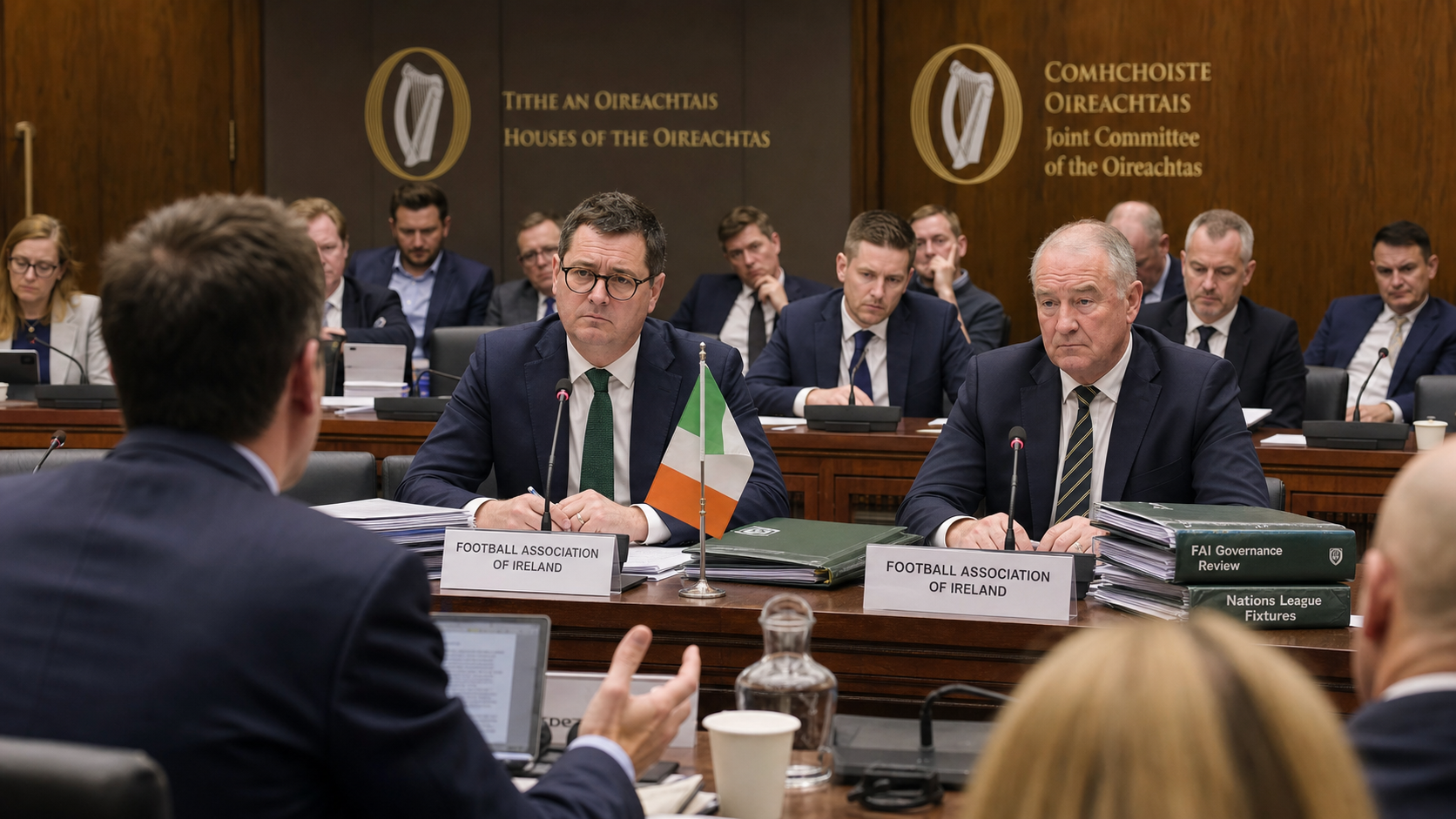
The Dáil debate on the excise extension was limited to approximately one hour, a timeframe that opposition parties described as wholly inadequate for a measure with significant fiscal implications. The Social Democrats argued that the government is too reliant on emergency measures to tackle high energy costs and called for a more comprehensive strategy that addresses the structural causes of energy price volatility rather than simply deferring the pain through temporary tax relief.
The Tánaiste, speaking during the debate, warned against making the excise cuts permanent, arguing that the government must retain the flexibility to restore duty levels when global energy prices normalise. He acknowledged that the extension would cost the exchequer a significant sum but argued that the alternative — allowing fuel prices to rise sharply in the weeks before the budget — would be politically and economically damaging. The extension runs until November, at which point the government will face the same decision again in the context of Budget 2027.
The measure passed with the support of the coalition parties and their independent allies, though the narrow margin of the vote and the reported division among the Healy-Rae brothers underlined the fragility of the government's Dáil majority on contentious issues. Opposition parties, including Sinn Féin, Fine Gael, and the Social Democrats, used the debate to press the government on its broader energy strategy and its plans for Budget 2027.
Why It Matters
The fuel excise extension is symptomatic of a broader challenge facing the Irish government: how to manage the short-term political pressures created by global energy price volatility while maintaining a credible long-term fiscal strategy. The repeated extension of what were originally described as temporary measures has created a situation in which the government's room for manoeuvre on energy taxation is severely constrained, with any attempt to restore duty levels immediately characterised as a tax increase on hard-pressed motorists and businesses.
The episode also highlights the tension between Ireland's climate commitments — which require a gradual increase in carbon taxes as part of the transition to a low-carbon economy — and the political reality of governing a country where a significant proportion of the population is dependent on private cars for transport and where public transport alternatives are inadequate in many rural areas. Unlike urban centres where alternatives to car travel are available, rural Ireland has few options, and the political sensitivity of fuel prices in those communities is acute.
Local Impact
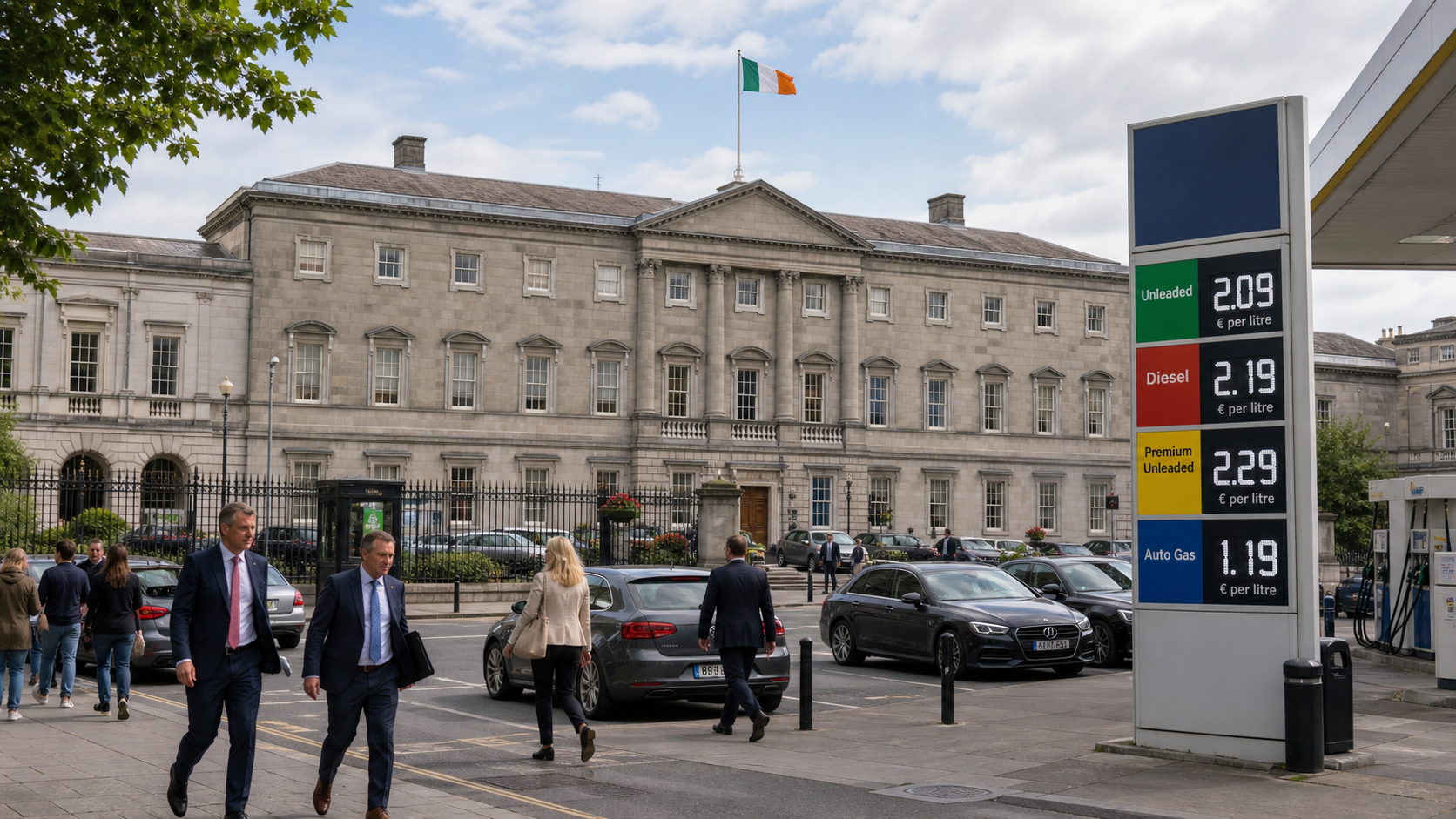
For motorists across Ireland, the extension of the excise cuts provides a measure of relief from what would otherwise have been a significant increase in fuel costs at the forecourt. In rural areas of Connacht, Munster, and Ulster where car dependency is highest, the practical impact of the extension is most significant. Bus Éireann and Irish Rail have both noted that rising fuel costs affect their operational budgets, and the extension of the excise cuts will provide some indirect benefit to public transport operators as well. The measure will be reviewed as part of Budget 2027, which is scheduled for October.
What's Next
Budget 2027 will be the next major decision point on fuel excise policy. The government is expected to announce its budget package in October, and the question of whether to extend, reduce, or restore the excise cuts will be one of the most politically sensitive decisions it faces. The Tánaiste's warning against making the cuts permanent suggests that the government is at least considering a phased restoration of duty levels, but the political dynamics — particularly the need to maintain the support of rural independents — make any such move extremely difficult. The next Dáil sitting is scheduled for September.