Drumcree Parade Dispute Reignites as Orange Order Applies for September 27 March on Garvaghy Road
The Drumcree parade dispute, dormant for nearly three decades, has returned to the political foreground after the Orange Order applied for a scaled-back march through the Garvaghy Road in Portadown on September 27, following a High Court ruling in August that quashed a Parades Commission determination on procedural grounds, triggering a crisis within the commission and renewed community tensions in Co. Armagh.
Background
The Drumcree conflict was one of the most volatile flashpoints of the late Troubles and the early peace process period. The annual Orange Order parade from Drumcree Church in Portadown sought to return via the Garvaghy Road, a predominantly nationalist residential area, and the Parades Commission's decisions to restrict the route from 1998 onwards led to sustained loyalist protests, road blockades, and serious public disorder across Northern Ireland. The dispute was effectively settled in 1998 when the commission banned the parade from the Garvaghy Road, and the issue has been largely dormant since then, though the underlying tension has never been fully resolved.
The situation was reignited in August 2026 when the High Court quashed a Parades Commission determination that had restricted the annual July parade. The court found that the commission had failed to follow proper internal procedures — specifically, that not all six members had signed off on the decision. This ruling triggered a crisis within the commission, with calls for the resignation of all commissioners. While one member resigned, the remaining five, including chair Professor Evelyn Collins, remained in post at the request of Northern Ireland Secretary Chris Bryant, who ordered an independent, judge-led review of the commission's decision-making procedures.
The Orange Order moved quickly to exploit the legal opening, applying for a new, limited parade on September 27, 2026. The proposal involves 60 marchers carrying three banners, a silent march with no bands, and an estimated transit time of 15 minutes through the contested section of the Garvaghy Road.
Key Developments
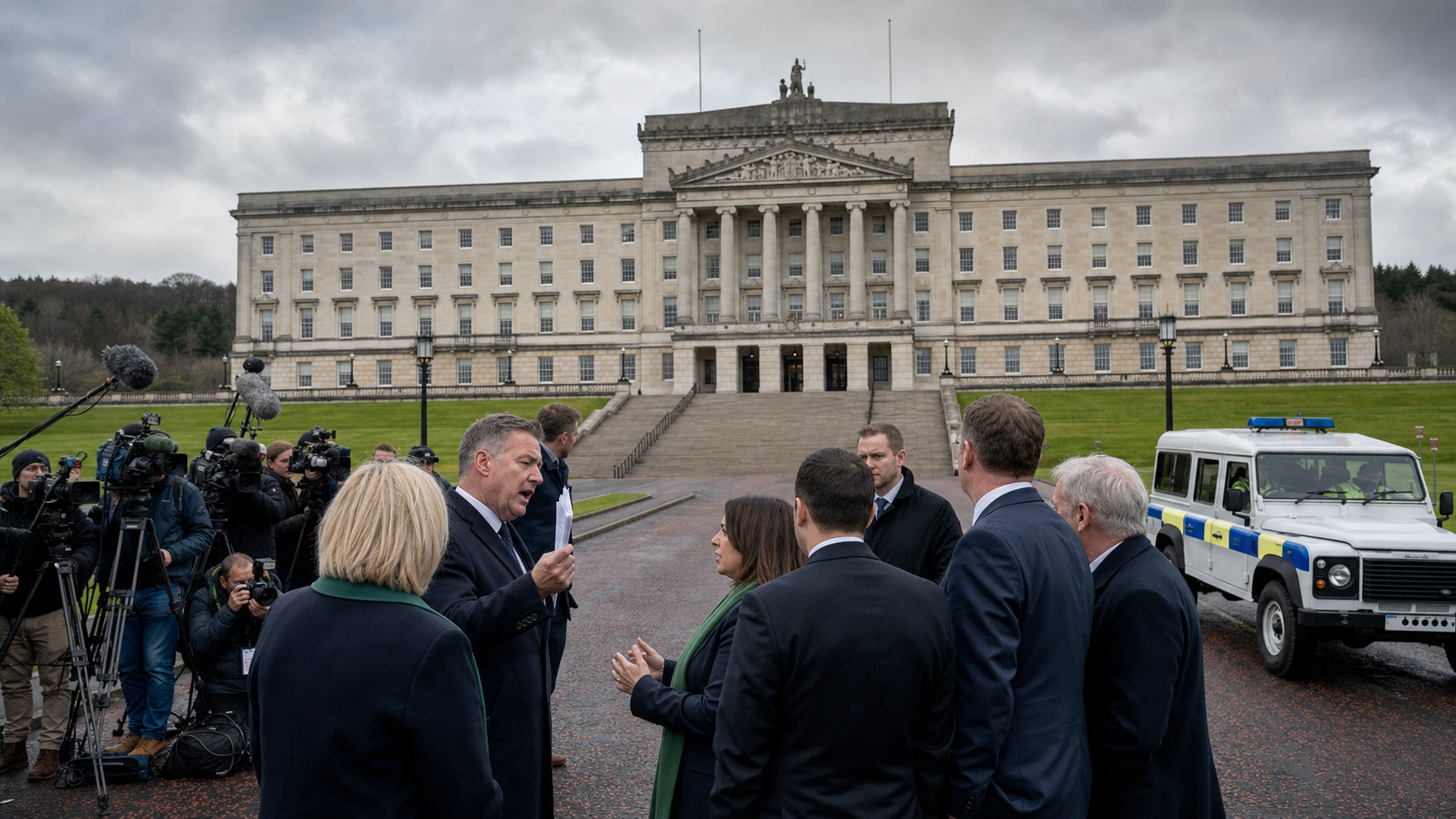
The Parades Commission appointed TIDES Mediation NI to facilitate a resolution between the Orange Order and the Garvaghy Road Residents Coalition. The residents' group has formally rejected this mediator, citing a conflict of interest because the firm has previously performed work for the Orange Order. The coalition, supported by Sinn Féin MLA John O'Dowd, maintains that there is no local support for the march and that the situation has been settled for 28 years. Residents have begun collecting signatures from local households to demonstrate their opposition to the Parades Commission.
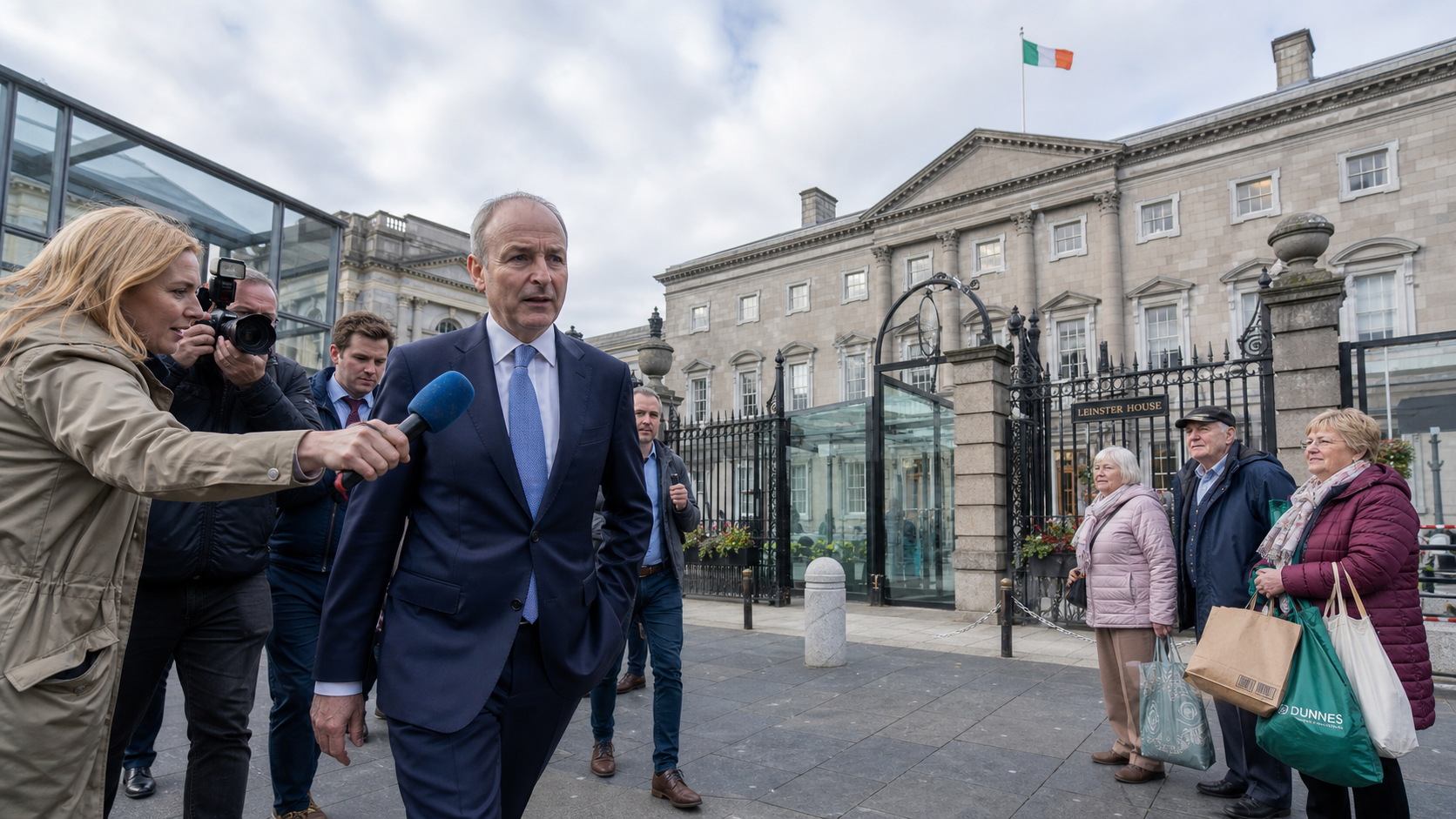
The DUP has welcomed the mediation process while simultaneously criticising any potential involvement of the Irish government in the matter, characterising such involvement as constitutionally inappropriate. Taoiseach Micheál Martin has stated he is keeping a request to meet with residents "under review" while officials monitor the situation. The Orange Order has described its proposal as "proportionate" and "reasonable," while maintaining that the ultimate goal remains the restoration of the full district's right to complete the traditional route.
Nationalist residents' groups have warned that some parading settlements across Northern Ireland "could unravel" if the Drumcree situation is not handled carefully, expressing concern that the High Court ruling has created a precedent that could be used to challenge other Parades Commission determinations.
Why It Matters
The Drumcree dispute is not merely a local parading controversy — it is a test of the durability of the peace process settlements that were reached in the late 1990s. The Parades Commission was established precisely to provide a mechanism for resolving disputes of this kind without resort to public disorder, and its authority has been significantly undermined by the High Court ruling. If the commission cannot enforce its determinations, the entire framework for managing contentious parades in Northern Ireland is called into question.
The timing is also significant. Northern Ireland is approaching the 30th anniversary of the Good Friday Agreement, and the political institutions established by that agreement are still fragile. A return of serious disorder at Drumcree — even a scaled-back version of the confrontations of the 1990s — would be deeply damaging to community relations and to the international perception of Northern Ireland's stability. The pressure on the Parades Commission, the NIO, and the political parties to find a resolution before September 27 is therefore considerable.
Local Impact
In Portadown, the prospect of a parade on the Garvaghy Road has generated significant anxiety among nationalist residents, many of whom have vivid memories of the disorder of the 1990s. The PSNI has indicated it is monitoring the situation closely and is in contact with both communities. Local businesses in Portadown town centre have expressed concern about the potential impact on trade if disorder occurs. The Armagh, Banbridge and Craigavon Borough Council has called for calm and urged all parties to engage with the mediation process.
What's Next
The Parades Commission is expected to issue a determination on the Orange Order's September 27 application within days. If the commission approves the parade, the Garvaghy Road Residents Coalition has indicated it will mount a legal challenge. If the commission refuses, the Orange Order may seek a further judicial review. The independent review of the commission's decision-making procedures, ordered by the Northern Ireland Secretary, is expected to report within three months. Taoiseach Martin's decision on whether to meet with residents is expected to be announced before the end of the week.