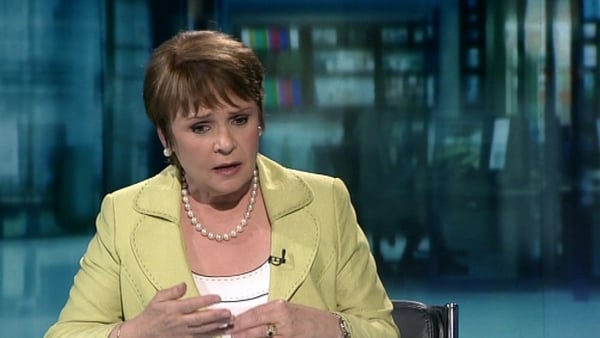
Dana Rosemary Scallon Settles Final Defamation Case Against Irish Times and Meta
Dana Rosemary Scallon has settled her final defamation case against The Irish Times and Meta, bringing to a close 14 years of legal actions she described as a "tremendous relief" — a protracted battle that saw the Eurovision winner and former MEP pursue multiple media organisations and social media platforms over coverage she said falsely implicated her in covering up abuse.
The settlement, reached on 14 April 2026, was the culmination of a series of legal actions initiated after her brother John Brown was unanimously acquitted of historic sexual abuse charges at Harrow Crown Court in London in July 2014. Terms of the final settlement were not disclosed.
Background
Dana Rosemary Scallon — known professionally as Dana — has been one of the most recognisable figures in Irish public life for more than five decades. Born Rosemary Brown in London to parents from Derry, she grew up in the city and achieved international fame in March 1970 when, at just 18 years of age, she won the Eurovision Song Contest for Ireland with "All Kinds of Everything" — the country's first Eurovision victory. The song topped the charts in Ireland and the UK and sold over a million copies.
Her career later shifted towards faith-based music, and she became a prominent figure in Catholic broadcasting in the United States through EWTN. She entered politics in 1997, running as an independent candidate in the Irish presidential election before being elected as an MEP for the Connacht–Ulster constituency in 1999, a seat she held until 2004. She made a second, unsuccessful presidential bid in 2011.
The defamation proceedings arose from media coverage of her brother's 2014 trial. Ms Scallon's central claim was that headlines and reports had grossly misrepresented her role, falsely suggesting she had knowledge of and had covered up abuse — allegations she strenuously denied and which she said caused severe damage to her personal and professional reputation.
Key Developments
The legal campaign spanned more than a decade and involved multiple publishers and platforms. In November 2018, Ms Scallon secured her first major victory in the High Court in Belfast, settling a libel action against the publishers of the Sunday World for a six-figure sum and a public apology for false claims published on their website and Facebook pages in 2014. A further six-figure settlement followed from the Sunday World in 2021. She also received a reported six-figure sum in libel damages from the Daily Mail in 2023.
The inclusion of Meta — Facebook's parent company — in the final lawsuit against The Irish Times is particularly significant. It reflects the growing legal accountability of social media platforms for defamatory content shared or amplified on their sites, a frontier that courts across Ireland and the UK are increasingly being asked to navigate. The case signals that public figures are no longer willing to accept that platforms bear no responsibility for the spread of harmful falsehoods.
A parallel legal dispute saw Ms Scallon's sister and niece sue her for defamation in 2011, claiming she had falsely stated they fabricated the abuse allegations. Those cases were struck out by the High Court in July 2021 after the plaintiffs failed to provide €150,000 in security for costs as ordered by the Court of Appeal.
Why It Matters
This case is significant on several levels. For Dana Rosemary Scallon personally, it represents the end of a 14-year ordeal that she says consumed enormous personal and financial resources. For Irish media law, it is a landmark example of a public figure successfully pursuing multiple outlets — including a major social media corporation — for defamatory content linked to a criminal trial in which the accused was acquitted. The principle that an acquittal must be reported accurately and that coverage implying guilt after a not-guilty verdict is actionable has been reinforced through each settlement in this saga.
The involvement of Meta also raises broader questions about the responsibilities of technology companies when their platforms are used to spread defamatory content. As Irish and European courts continue to grapple with the Digital Services Act and related legislation, this case adds to a growing body of precedent that platforms cannot remain entirely insulated from liability.
Local Impact
For Ireland, and particularly for the Derry community where Dana grew up, this settlement closes a painful chapter. The case touched on deeply sensitive issues — historical abuse allegations, family loyalty, media responsibility, and the rights of the acquitted — that resonated far beyond the courtroom. Dana's willingness to pursue her case through multiple courts over 14 years, at considerable personal cost, has been noted by legal observers as an unusually determined defence of reputation in an era when many public figures choose to absorb reputational damage rather than engage in protracted litigation.
What's Next
With all legal actions now concluded, Dana Rosemary Scallon has indicated she intends to move forward. The settlements, while undisclosed in their final terms, represent a vindication she has pursued since 2014. The broader legal questions raised by her case — particularly around platform liability and the reporting of criminal acquittals — are likely to continue shaping Irish and European media law in the years ahead.
Sources: RTÉ News — Dana Settles Defamation Case Against Irish Times, Meta; The Irish Times — Dana Settles Defamation Action; The Irish Times — Six-Figure Libel Damages (2023)